
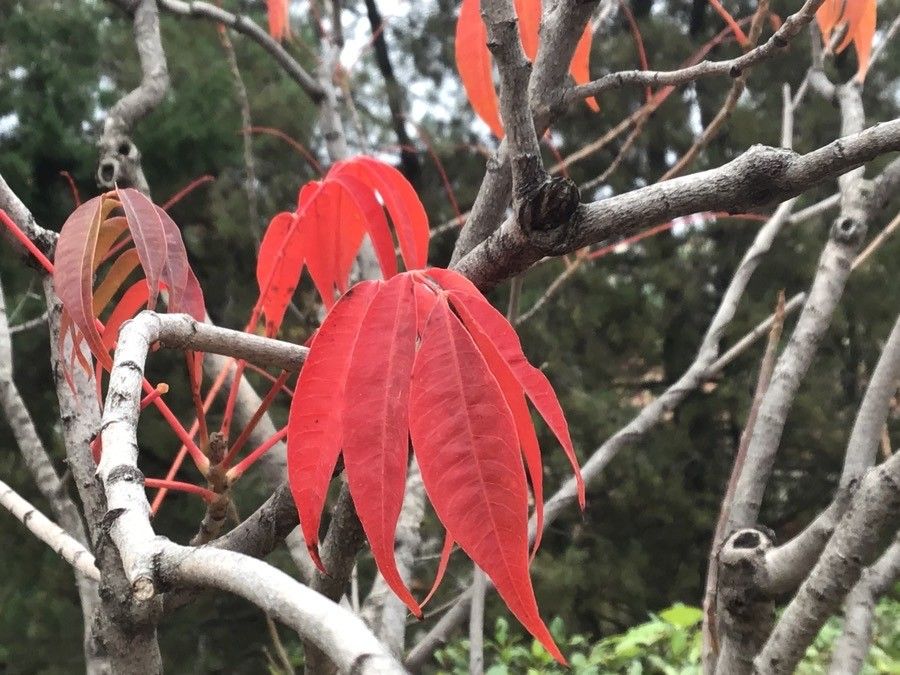
Don’t Be Fooled by Its Beauty: The Intricacies of Propagating the Lacquer Tree (Toxicodendron succedaneum)
The Lacquer Tree, scientifically known as Toxicodendron succedaneum, is a visually stunning plant with a deep, rich history. Its vibrant autumn foliage and unique fruit clusters make it a captivating addition to any landscape. But before you attempt to propagate this beauty in your garden, it’s crucial to understand the complexities and potential dangers associated with this species.
The Allure of the Lacquer Tree:
The Lacquer Tree, a member of the cashew family, is highly regarded for its versatile uses. For centuries, its sap has been utilized in the production of a highly durable lacquer known as “urushi”. This lacquer has been prized for its waterproof and protective qualities, finding applications in traditional Japanese artwork, furniture, and even weaponry. However, the sap also carries a significant warning. It contains an allergenic compound called urushiol, which can cause severe, painful skin reactions, similar to poison ivy.
Navigating the Propagation Process:
Despite its potential dangers, the Lacquer Tree is a captivating specimen that many enthusiasts are keen to propagate. Propagation can occur via seeds or cuttings, although both methods require a cautious approach.
- Harvesting Seeds: Collect the mature fruits (drupes) in the late autumn. These fruits are small, spherical, and possess a distinctive red/brown color.
- Preparation: Remove the fleshy pulp from the seeds and rinse them thoroughly. Allow the seeds to dry completely in a cool, airy space.
- Planting: Sow the seeds in a well-draining potting mix, preferably in a controlled environment with moist conditions.
- Patience: It may take several months for the seeds to germinate. Ensure the seeds receive ample warmth and light throughout the process.
Cuttings Propagation:
- Choosing Cuttings: Select healthy, mature stems with established growth. Ideal cuttings are those taken from the previous year’s growth, preferably during the spring or late summer.
- Preparation: Prepare cuttings with a sharp, sterile blade. Aim for a length of approximately 4-6 inches, ensuring each cutting has at least two nodes (the points where leaves grow).
- Rooting Hormone: Treat the base of the cuttings with a rooting hormone solution to aid in root development.
- Planting: Plant the cuttings in a sterile rooting mix, maintaining a consistent moisture level. A humidity dome or plastic wrap over the cuttings will help retain moisture and promote root development.
Safety Precautions:
When handling any part of the Lacquer Tree, it is crucial to wear protective gear, including gloves, a mask, and long-sleeved clothing. Urushiol can remain active for prolonged periods, even on dried leaves. It’s essential to wash all tools and surfaces thoroughly after handling the plant.
Remember: Always consult with a medical professional if you experience any skin reactions after handling the Lacquer Tree.
Final Considerations:
Propagation of the Lacquer Tree is a rewarding endeavor for dedicated plant enthusiasts. However, utmost due diligence must be taken when handling this species due to the potential for urushiol exposure. By following the guidelines outlined above and prioritizing safety, individuals can enjoy the beauty and history of this unique plant.