
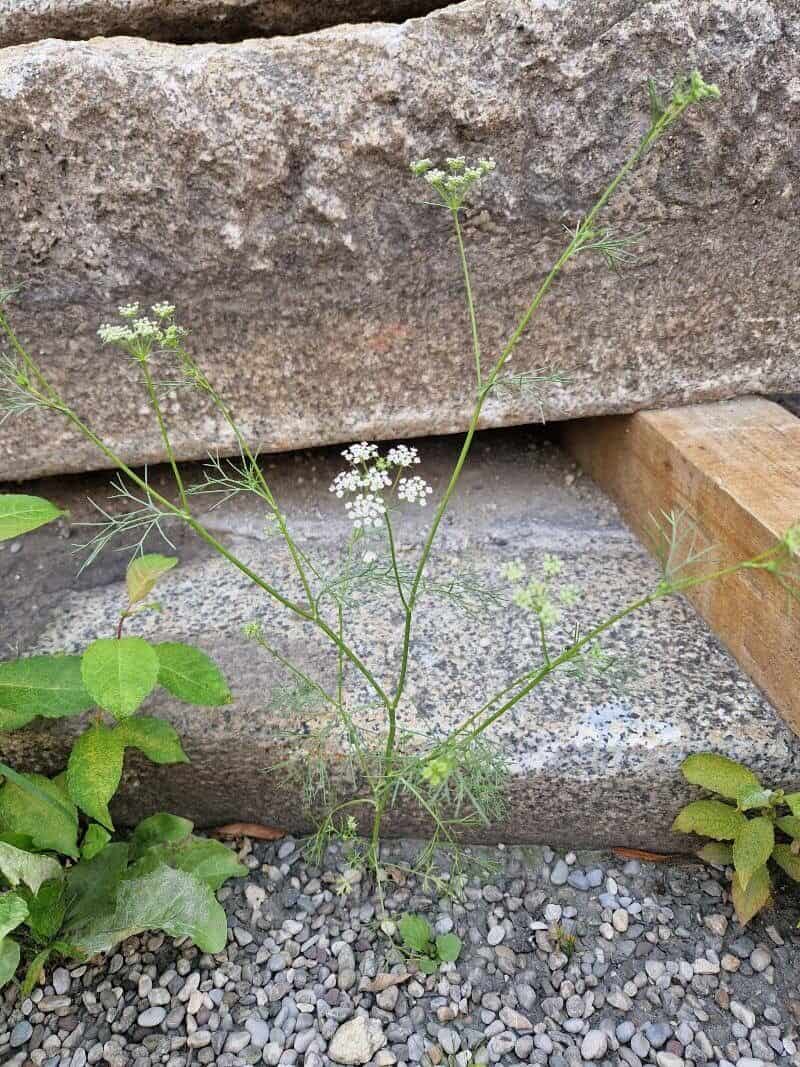
Unlocking the Spice: A Guide to Growing Ajwain (Trachyspermum ammi) from Seed
Ajwain, also known by its scientific name Trachyspermum ammi, might not be a household name for everyone, but its distinct aroma is sure to spark memories of delicious Indian cuisine. Often compared to thyme or oregano, this powerful spice packs a punch with its sharp, earthy flavor, and boasts a range of medicinal benefits. Intrigued? Then why not try cultivating this ancient herb in your own garden? Don’t worry, growing ajwain from seed is surprisingly simple, even for beginners.
Sowing Success: A Step-by-step Guide:
1. Timing is Everything:
Ajwain thrives in warm weather and needs about 4 months to reach maturity. Sow seeds directly outdoors after the last frost, or get a head start by starting them indoors 6-8 weeks before the expected last frost date.
2. Prepare the Seedbed:
Choose a location that receives full sun (at least 6 hours daily) and has well-drained soil. Ajwain prefers slightly alkaline soil with a pH of 7.0-8.0. Loosen the soil to a depth of 6 inches and amend it with compost or well-rotted manure for improved drainage and fertility.
3. Sow with Care:
Scatter seeds evenly over the prepared soil, spacing them about 6 inches apart. Then, gently press the seeds into the soil, ensuring they are covered with about ¼ inch of soil.
4. Water Wisely:
Keep the soil consistently moist but not waterlogged. Use a gentle spray setting to avoid disturbing the seeds. Once the seedlings emerge, typically within 1-2 weeks, water deeply but less frequently, allowing the top inch of soil to dry out between waterings.
5. Thinning for Strength:
Once the seedlings are a few inches tall, thin them out to maintain a spacing of 12-18 inches apart. This allows the remaining plants to grow stronger and bushier.
6. Nurture and Protect:
While ajwain is relatively low-maintenance, regular weeding is crucial, especially when the plants are young. Fertilize every 4-6 weeks with a balanced organic fertilizer to support healthy growth. Finally, keep an eye out for pests like aphids and spider mites. A simple soapy water spray or neem oil application can usually keep these pesky critters at bay.
Reap the Rewards: Harvesting Your Ajwain
As the ajwain plant matures, tiny white or pink flowers will appear, followed by small, seed-filled fruits. Harvesting usually takes place about 4 months after sowing when the fruits turn greyish-brown. Cut the entire plant at the base, bundle them together, and hang them upside down in a well-ventilated, shady location to dry completely. Once dry, gently crush the seed heads to release the aromatic ajwain seeds. Store the seeds in an airtight container in a cool, dark place for long-lasting flavor.
Beyond the Kitchen:
Although commonly used as a spice, ajwain’s benefits extend far beyond culinary use. This potent plant boasts various medicinal properties and has been traditionally used to relieve digestive discomfort, reduce inflammation, and fight infections.
Grow your Own Flavor:
Growing your own ajwain is a rewarding experience that allows you to connect with nature and enjoy the freshest, most flavorful spice possible. So why not give it a try? With a bit of care and attention, you’ll be well on your way to unlocking the unique flavors and benefits of this ancient and versatile plant.