
Propagating Tradescantia chrysophylla: Goldilocks’s Secret to Success
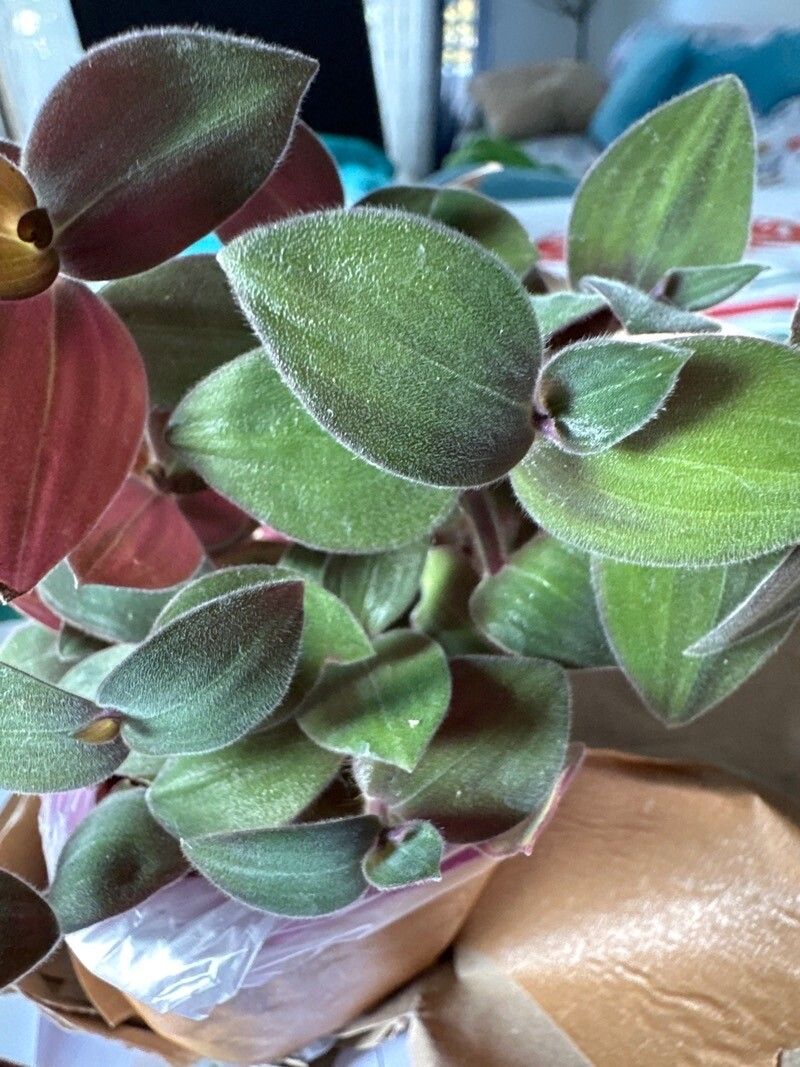
Tradescantia chrysophylla, commonly known as Goldilocks, is a captivating trailing plant prized for its striking yellow-green foliage overlaid with shimmering golden hairs. Its cascading habit makes it a popular choice for hanging baskets, window boxes, and as a groundcover. Though relatively easy to care for, propagating Goldilocks presents some unique challenges and rewards, making it a rewarding project for both beginner and experienced plant enthusiasts. Its popularity stems from its easy-going nature and the visual appeal of its unique foliage. However, its relative rarity compared to other Tradescantia species makes propagation a worthwhile endeavor.
Seed Germination:
Currently, there are no known reliable methods for seed germination propagation of Tradescantia chrysophylla. While some Tradescantia species produce viable seeds, this particular species appears to rarely, if ever, produce seeds capable of successful germination under typical horticultural conditions. Further research might uncover specific techniques, but for now, focusing on vegetative propagation methods is significantly more reliable.
Cuttings:
This is the most common and successful method for propagating Tradescantia chrysophylla.
Challenges: While relatively straightforward, rooting cuttings can be slower than with some other plants. Using older, more mature stems can sometimes lead to slower rooting or even failure.
Practical Tips: Take 4-6 inch stem cuttings, removing the lower leaves to prevent rot. Dip the cut ends in rooting hormone for enhanced success. Plant cuttings in moist, well-draining potting mix (a perlite and peat moss mix works well). Maintain consistently moist (but not soggy) conditions and high humidity, ideally using a propagator or covering with a clear plastic bag. Keep the cuttings in bright, indirect light.
Rewards: Cuttings provide a quick and reliable method for creating numerous new plants, accurately preserving the existing plant’s genetic characteristics. This is ideal for maintaining a specific cultivar or expanding your collection quickly.
Division:
This method works well for established, mature plants.
Challenges: Carefully separating the rhizomes without damaging them is crucial. Overly aggressive division can lead to plant stress and slow growth.
Practical Tips: Divide the plant in spring or early summer. Gently remove the plant from its container and carefully separate the rhizomes, ensuring each division has a healthy root system and several stems. Repot each division into individual containers with fresh potting mix.
Rewards: Division is a simple, effective way to increase the number of plants and refresh mature specimens.
Tissue Culture:
This is a more advanced technique, typically employed in commercial propagation.
Challenges: Tissue culture requires specialized equipment, sterile conditions, and a thorough understanding of plant tissue culture techniques. It’s generally not a feasible method for home propagators.
Practical Tips: This method requires a controlled environment and specific nutrient media. It involves sterilizing plant tissues and culturing them in vitro to generate numerous plantlets.
Rewards: Tissue culture allows for mass production of genetically identical plants and the elimination of diseases, providing a strong foundation for large-scale commercial propagation.
Conclusion:
While seed germination is not a viable option, propagating Tradescantia chrysophylla via cuttings and division is relatively achievable for home gardeners. While cuttings offer a fast and reliable path to expansion, division provides a gentler option for mature plants. The challenges are relatively minor compared to the satisfaction of successfully cultivating more of this beautiful plant. The unique shimmering foliage of Goldilocks makes the effort worthwhile. Remember patience and consistent care are key to success – even minor setbacks don’t have to deter you. With a bit of practice, you’ll be enjoying a thriving collection of this gorgeous plant in no time.