
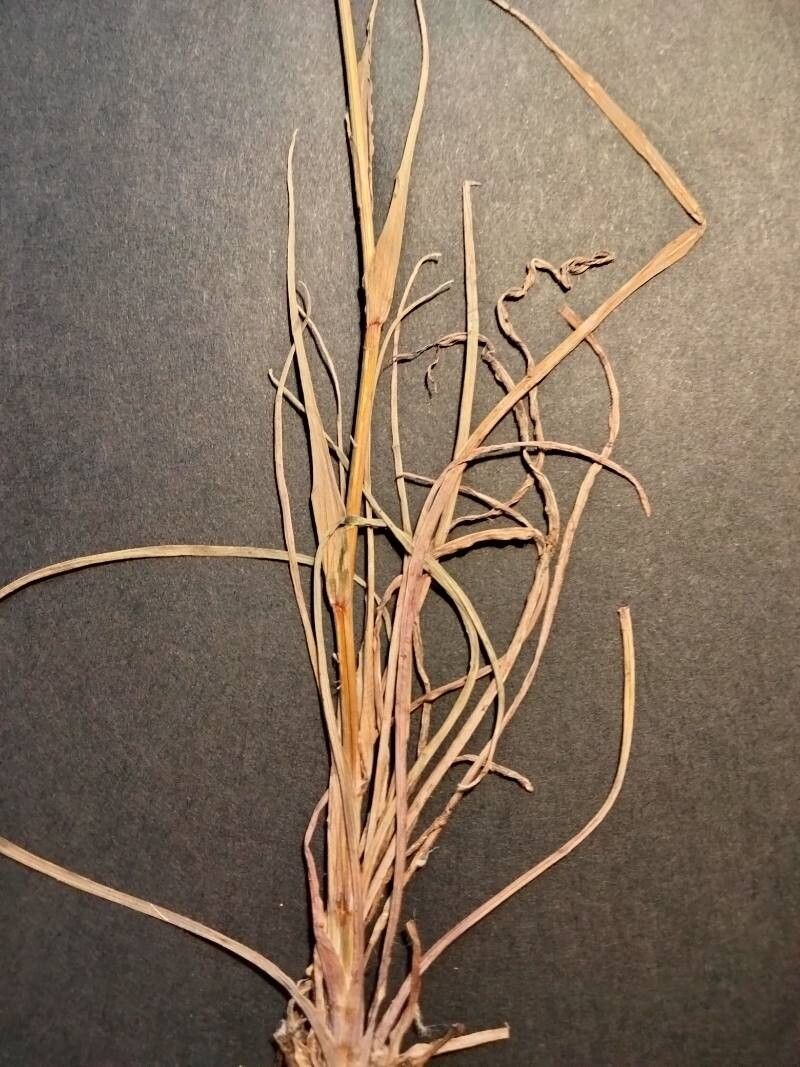
Taming the Wild Salsify: A Guide to Growing Tragopogon Pterocarpus from Seed
Tragopogon pterocarpus, more affectionately known as the wild salsify or oyster plant, might sound like something out of a fantasy novel, but this striking plant with its spiky seed heads and vibrant purple flowers can be a unique and rewarding addition to any garden. While often considered a roadside weed, growing Tragopogon pterocarpus from seed is surprisingly straightforward, allowing even novice gardeners to enjoy its beauty and even its edible roots.
Understanding the Tragopogon Pterocarpus
Before diving into propagation, let’s get to know our plant. Native to Mediterranean regions, Tragopogon pterocarpus is a biennial, meaning its life cycle spans two years. In the first year, it forms a rosette of long, slender leaves resembling grass. The second year brings the magic – a tall, branching stem adorned with purple flowers that mature into impressive, dandelion-like seed heads. These seed heads, with their parachute-like seeds, are not only a sight to behold but also hold the key to propagation.
Collecting and Preparing Seeds
The ideal time to collect Tragopogon pterocarpus seeds is in late summer or early fall when the seed heads have matured and turned a fluffy brown. Gently snip the seed heads, leaving some stem for handling, and place them in a paper bag to dry for a week or two. This allows the remaining seeds to mature and loosen.
Once dry, give the bag a light shake to separate the seeds from the heads. Store the seeds in a cool, dry place until you’re ready to sow.
Sowing the Seeds
Tragopogon pterocarpus seeds are best sown directly outdoors either in the fall for spring germination or in the spring after the last frost. These resilient plants prefer full sun to partial shade and well-drained soil.
Here’s a step-by-step guide to sowing:
- Prepare the soil: Loosen the soil with a garden fork and remove any weeds.
- Sow the seeds: Scatter the seeds thinly over the prepared soil. There’s no need to bury them; simply press them lightly into the surface.
- Water gently: Mist the soil with water, being careful not to dislodge the seeds.
- Thinning (optional): Once the seedlings emerge and have a few sets of true leaves, thin them out to provide adequate spacing for optimal growth.
Caring for Your Tragopogon Pterocarpus
Tragopogon pterocarpus is relatively low-maintenance. Water regularly during dry spells, especially during the first year while the roots are establishing. Adding a layer of mulch around the base of the plant can help retain moisture and suppress weed growth.
Harvesting the Rewards
While the flowers are a delight, the real treat lies beneath the soil. The roots of Tragopogon pterocarpus are edible and boast a delicate, oyster-like flavor, hence the common name “oyster plant.” Harvest the roots in late fall or early winter of the first year when they’re at their tender best.
A Rewarding Experience
Growing Tragopogon pterocarpus from seed is a rewarding experience for gardeners of all levels. With a little patience and minimal effort, you can introduce this fascinating plant to your backyard and enjoy its unique beauty and culinary potential. So, why not give it a try? You might be surprised by the joy of taming this wild salsify.