
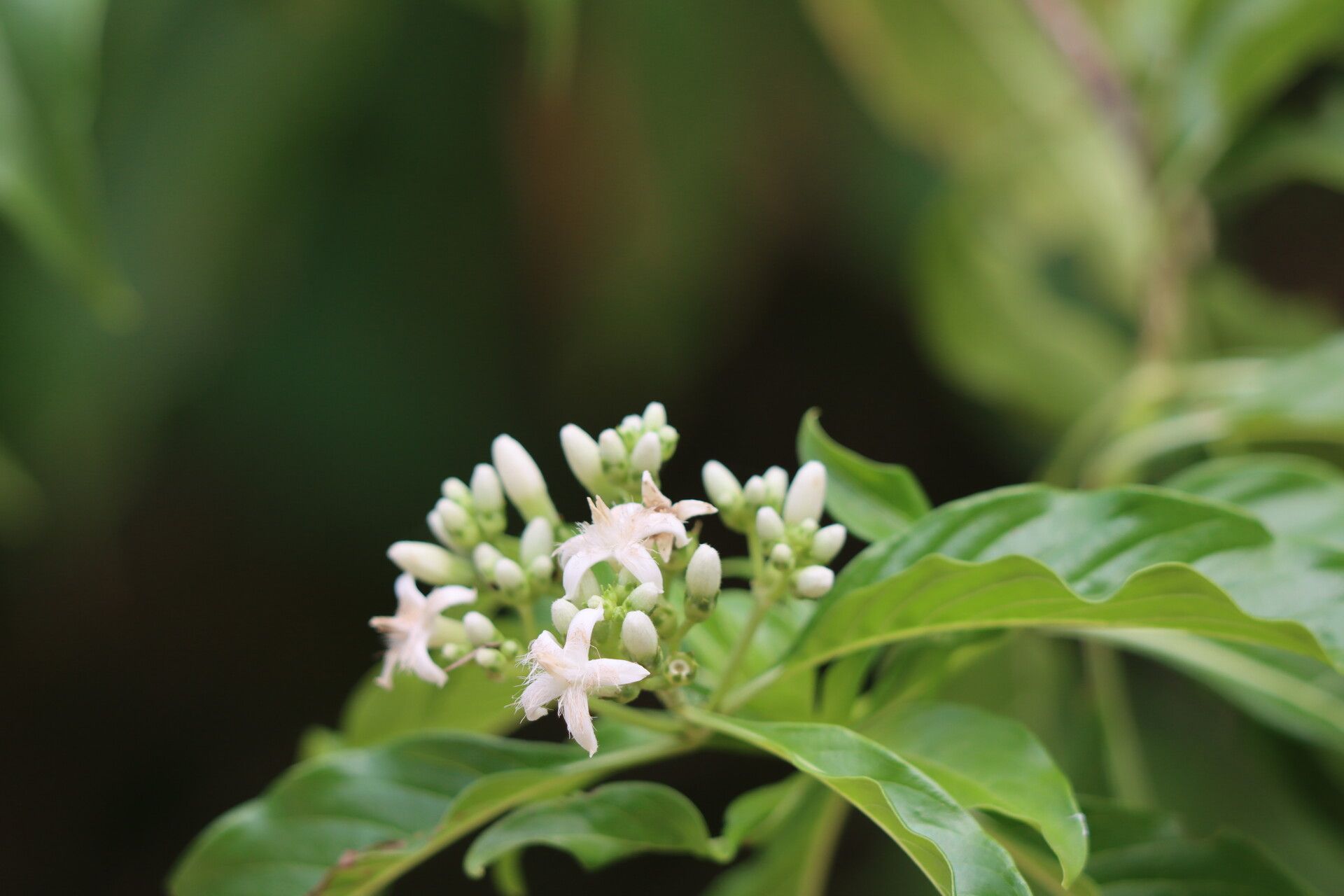
Unlocking the Secrets of Triainolepis Africana: A Propagation Guide
Triainolepis africana, also known as the “Yellow Bird Berry,” is a captivating shrub native to Southern and Eastern Africa. Its vibrant yellow flowers and attractive foliage make it a desirable addition to any garden, attracting a plethora of pollinators. Want to multiply your supply of this botanical beauty? Let’s delve into the fascinating world of Triainolepis africana propagation!
Methods for Success
While information on propagating Triainolepis africana is relatively scarce compared to more common garden varieties, don’t fret! This resilient shrub can be propagated through two primary methods:
1. Seed Propagation:
- Timing is Key: Look for ripe berries in the late summer or fall. These will be dark in color and slightly soft to the touch.
- Seed Extraction: Gently crush the berries and extract the seeds. Rinse away any remaining pulp to prevent fungal growth during germination.
- Sowing the Seeds:
- Use a well-draining seed-starting mix. A blend of peat moss, perlite, and vermiculite works well.
- Plant the seeds about ¼ inch deep and mist the soil with water.
- Cover the seed tray with a plastic dome or wrap to retain humidity.
- Place the tray in a warm, bright location, out of direct sunlight.
- Germination: Triainolepis africana seeds can take several weeks or even months to germinate. Be patient and keep the soil consistently moist but not waterlogged.
2. Semi-Hardwood Cuttings:
This is often the preferred method, as it’s faster and tends to yield more predictable results.
- Timing: The optimal time for taking cuttings is during the active growing season, in late spring or early summer.
- Selecting Cuttings:
- Choose healthy, non-flowering stems that are approximately 4-6 inches long.
- Make a clean cut just below a node (where a leaf or branch emerges).
- Preparing the Cuttings:
- Remove the leaves from the lower two-thirds of the stem.
- Dip the cut end into rooting hormone powder (optional, but recommended).
- Planting the Cuttings:
- Insert the cuttings into a pot filled with a well-draining rooting mix, such as a blend of perlite and peat moss.
- Gently firm the mix around the base of the cutting.
- Encouraging Root Growth:
- Create a humid environment by covering the pot with a clear plastic bag or using a propagation dome.
- Place the pot in a bright location, out of direct sunlight.
- Rooting Time: In a few weeks, you should start to see new growth, indicating successful rooting.
Caring for Your New Plants:
Once your new Triainolepis africana plants are established, either from seed or cuttings, provide them with the following care:
- Well-Draining Soil: They thrive in soil that allows water to drain easily.
- Sunlight Exposure: A location with full sun to partial shade is ideal.
- Watering: Water regularly, especially during dry periods, but avoid overwatering.
- Pruning: Light pruning will help maintain a desirable shape.
A Rewarding Endeavor:
Propagating Triainolepis africana may require patience and some trial and error, but the reward of watching your new plants flourish is well worth the effort. By following these propagation techniques, you can easily multiply your collection of this charming and ecologically valuable shrub. So, put on your gardening gloves and experience the joy of propagation with Triainolepis africana!