
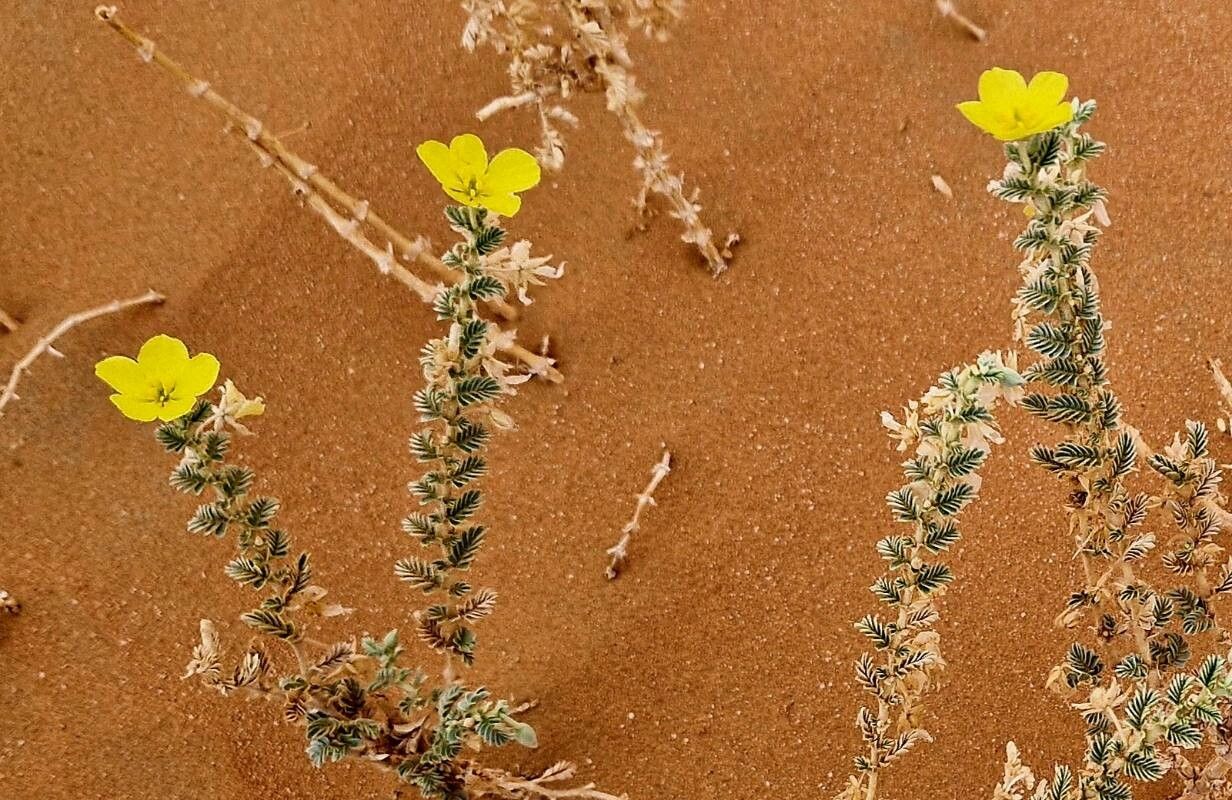
Taming the Wild: Propagating the Mighty Tribulus zeyheri
The Tribulus zeyheri, with its charming yellow flowers and hardy nature, is a true survivor. Native to the arid regions of South Africa, this fascinating plant has adapted to thrive in harsh conditions. But beyond its resilience, the Tribulus zeyheri also possesses a remarkable ability to reproduce, making it a fantastic option for gardeners looking to add a touch of wild beauty to their landscapes.
The Power of Seeds:
The most common and reliable way to propagate Tribulus zeyheri is through its seeds. These small, hard seeds are encased in a prickly, burr-like structure that helps them catch on to animal fur, aiding in their dispersal. Though this ‘catch and release’ strategy is great for the plant, it can make collecting seeds a bit of a prickly affair!
Here’s how to collect and sow Tribulus zeyheri seeds:
- Timely Harvest: Collect mature seeds, recognizable by their brown color and fully hardened state. Timing is crucial; wait until the seed pods have fully dried and begin to split open.
- Deburring: The thorny pods are the plant’s defense mechanism, so wear gloves while collecting. To extract the seeds, gently break open the pods, carefully removing the seeds.
- Scarification: The hard seed coat hinders germination. Scarification, a process of weakening the seed coat, is necessary. You can achieve this by gently rubbing each seed with sandpaper or nicking the coat with a sharp knife.
- Sowing: Sow the scarified seeds directly in well-draining soil. Opt for a sunny location, as Tribulus zeyheri thrives in full sun. Plant seeds about ¼ inch deep and space them about 6 inches apart.
- Patience: Germination can take several weeks. Keep the soil moist, but not waterlogged, until seedlings emerge.
Beyond Seeds: Exploring Other Options
While seed propagation is a tried-and-true method, Tribulus zeyheri can also be propagated through cuttings.
- Stem Cuttings: Take semi-hardwood cuttings during the spring or summer, as they root most easily. Cut about 4–6 inches of healthy stem, removing the leaves from the bottom two inches. Dip the cut end in rooting hormone and plant in a moistened rooting mixture.
- Layering: This method allows you to create new plants without disturbing the parent plant. Bend a healthy branch down to the ground, pinning it into the soil. The branch will eventually produce roots, allowing you to cut it away from the parent plant and establish it independently.
Propagating Tribulus zeyheri is not just about creating new plants; it’s about harnessing the unique qualities of this extraordinary species. Its vibrant yellow flowers, resilient nature, and attractive foliage make it a valuable addition to xeriscapes, rock gardens, and coastal landscapes.
With a little bit of patience and the right techniques, you can unlock the potential of Tribulus zeyheri and enjoy its hardy beauty for years to come. Just remember, wear gloves!