
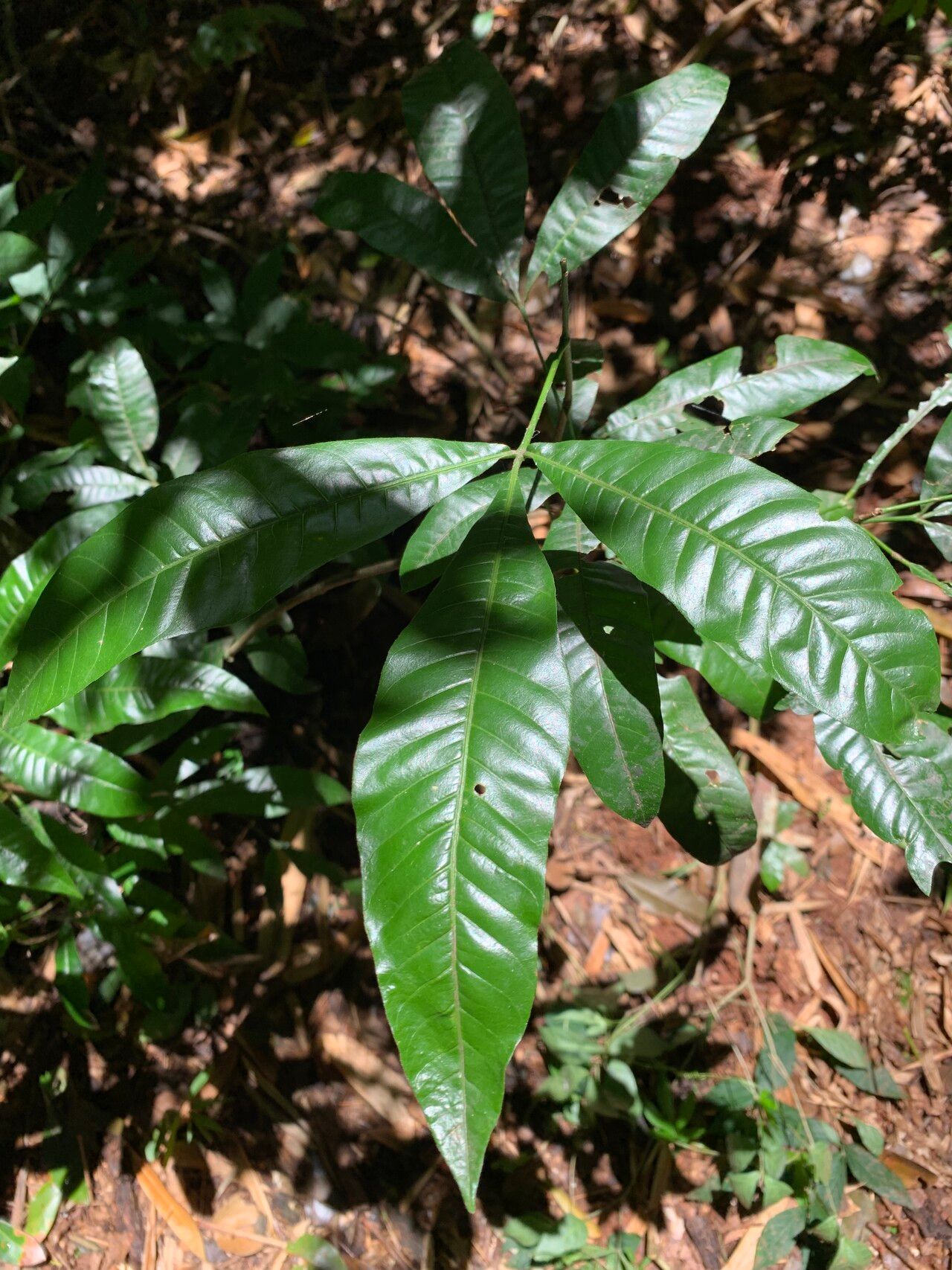
Unveiling the Secrets of Trichilia Claussenii Propagation: A Step-by-Step Guide
Trichilia claussenii, with its vibrant, glossy foliage and charming, fragrant flowers, is a captivating addition to any garden. This tropical beauty, native to South America, is gaining popularity for its ornamental value and resilience. But have you ever wondered how to propagate this exotic gem and welcome more of its charm into your green haven? Fear not, green thumbs and aspiring plant parents, for we’re about to unlock the secrets of Trichilia claussenii propagation!
There are two primary methods for propagating Trichilia claussenii:
1. Growing from Seed:
For those who relish the journey from seed to sprout, this method offers a rewarding experience. Here’s a breakdown:
- Seed Collection: Trichilia claussenii produces small, woody capsules containing the seeds. Allow these capsules to fully mature and dry on the tree. Once dry, they will split open, revealing the seeds within.
- Seed Preparation: No special pre-treatment is typically required for these seeds. However, soaking them in water for 24 hours before sowing can help soften the outer layer and potentially speed up germination.
- Sowing: Utilizing a well-draining seed starting mix, sow the seeds about half an inch deep in trays or pots. Maintaining a warm temperature (around 70-75°F) and consistent moisture is crucial for germination.
- Patience is Key: Germination can be a bit unpredictable, ranging from a few weeks to a couple of months. Don’t lose hope!
- Transplanting: Once the seedlings develop a strong root system and a few sets of true leaves, they can be transferred into individual pots or directly into your garden, ensuring a sunny to partially shaded location.
2. Propagating from Cuttings:
If you’re seeking a faster route to a new plant, propagation from cuttings is the way to go. Here’s how:
- Timing is Everything: The best time for taking cuttings is during the plant’s active growing season, typically spring or early summer.
- Choosing the Right Cuttings: Select healthy, semi-hardwood stems, about 4-6 inches long, from the current year’s growth. Make a clean cut just below a leaf node.
- Prepping the Cuttings: Remove the leaves from the bottom inch or two of the cutting to prevent rotting. You can also dip the cut end in a rooting hormone powder to encourage faster root development.
- Potting & Environment: Plant the prepared cuttings in a well-draining potting mix, ensuring the leaf nodes are buried. Maintain a humid environment, either by covering the pot with a plastic bag or using a propagation dome.
- Root Formation: With adequate moisture and indirect light, roots should begin to form within 4-6 weeks. You can gently tug on the cutting to check for resistance, indicating successful rooting.
- Transplanting: Once the cuttings have developed a robust root system, they can be transplanted into larger pots or your garden.
Tips for Success:
- Well-Drained Soil: Trichilia Claussenii thrives in soil that drains well. Amending your soil with perlite or sand can improve drainage.
- Light Requirements: Provide a spot with ample sunlight while protecting the young plant from harsh, direct afternoon sun.
- Watering Wisely: Water regularly, allowing the soil to dry slightly between waterings. Avoid soggy soil.
- Fertilizing: During the growing season, fertilize your Trichilia Claussenii every few weeks with a balanced, water-soluble fertilizer.
Propagating your own Trichilia claussenii can be a deeply satisfying endeavor. By following these steps and arming yourself with a dash of patience, you can nurture these stunning plants from seeds or cuttings, adding a touch of the tropics to your own green sanctuary.