
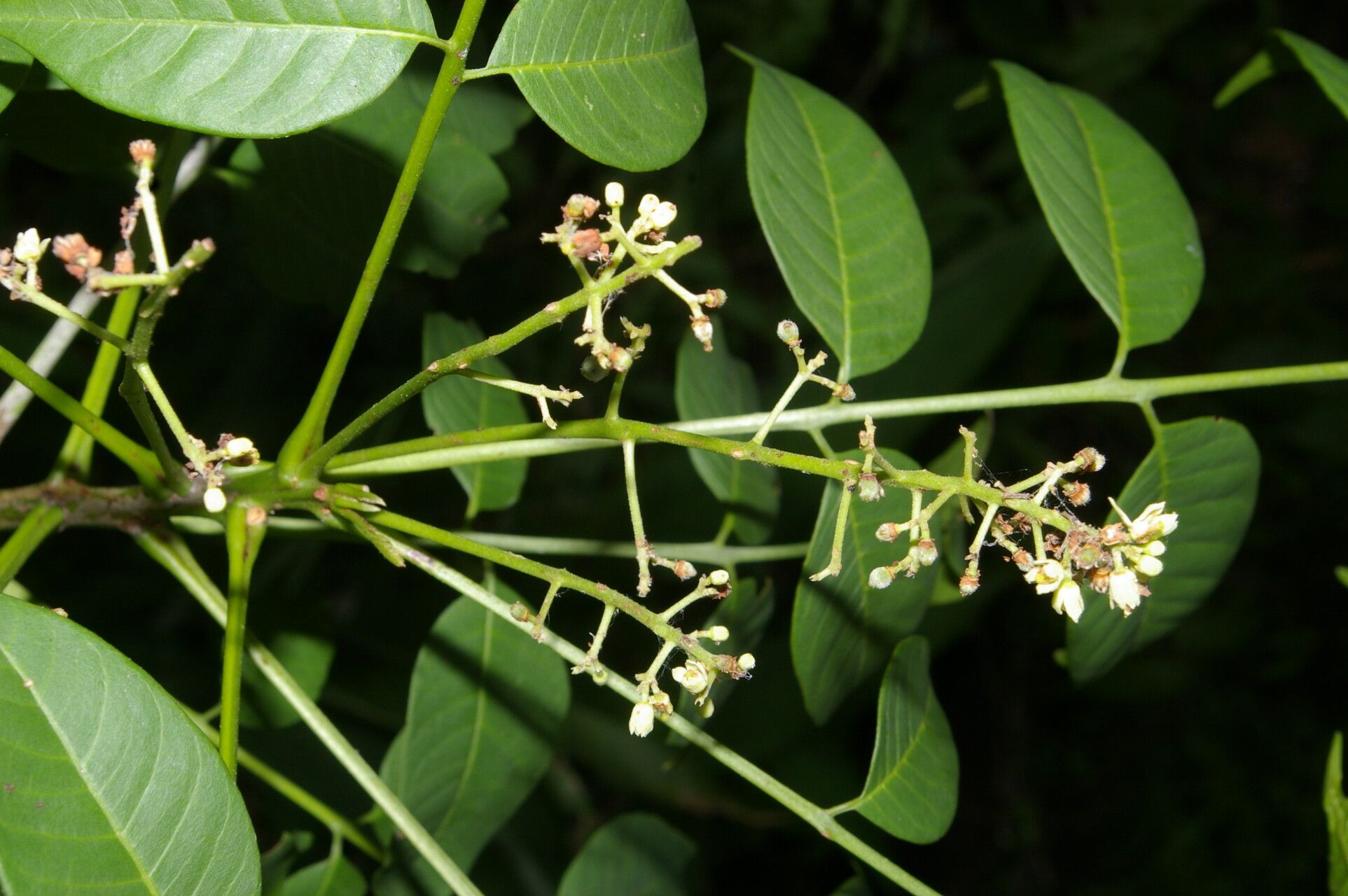
Unlocking the Secrets of Propagation: How to Grow More Trichilia hirta
The Trichilia hirta, also known as the “Spanish Elm” or “West Indian Mahogany”, is a beautiful tree with a captivating history. This tropical native, prized for its striking foliage and fragrant flowers, is a common sight in gardens across the Caribbean and Latin America. But what if you want to enjoy the beauty of this tree in your own backyard? The good news is, you can! Propagation is a surprisingly accessible process, and with a little knowledge and patience, you too can grow your own Trichilia hirta.
Understanding Trichilia hirta Propagation
Like many trees, Trichilia hirta can be propagated using several methods:
Seeds: This is the most common and often the easiest method. Seeds can be collected from mature pods after they ripen and turn brown. Be sure to remove the fleshy pulp around the seeds before planting. Seeds should be sown in a well-draining seed starting mix, kept moist, and placed in partial shade. Germination can take several weeks.
Cuttings: This method involves taking a cutting from a healthy branch and rooting it. Choose a semi-hardwood cutting (a cutting from the current year’s growth) that is about 6-8 inches long. Remove any leaves at the bottom of the cutting, and dip the base in rooting hormone. Plant the cutting in a rooting mix and keep it moist. Cuttings can take several weeks or months to root.
- Air Layering: This technique is more advanced but can be successful with Trichilia hirta. A ring of bark is removed from a branch, and the exposed area is covered with a moisture-retaining material, such as moss. Once roots develop, the layered branch is cut below the roots and planted.
A Detailed Guide to Seed Propagation
Let’s delve deeper into the most popular method: seed propagation. Here’s a step-by-step guide:
Harvesting Seeds: Watch for mature pods, which turn brown and contain small, round seeds. Carefully pick the pods and extract the seeds.
Seed Preparation: Separate the seeds from the surrounding pulp. You can wash them lightly to remove any residue.
Sowing the Seeds: Fill a seed tray or small pots with well-draining seed starting mix. Sow the seeds about ½ inch deep and water them gently.
Finding the Right Spot: Place the seed tray or pots in a bright, partially shaded location. Avoid direct sunlight, as it can dry out the soil too quickly.
Maintaining Moisture: Keep the soil evenly moist but not soggy. Watering frequency will depend on the weather and your local climate.
Patience is Key: Be patient! Seed germination can take several weeks or even months. Keep the soil moist and the seedlings in a warm environment.
- Transplanting: Once the seedlings have developed a few true leaves, you can transplant them into larger pots or directly into the ground. Choose a sunny location with well-draining soil.
Tips for Success
- Choose High-Quality Seeds: Ensure the seeds you use are fresh and viable.
- Use a Well-Draining Soil: Trichilia hirta prefers a soil mix that drains well, preventing root rot.
- Provide Consistent Moisture: Keep the seeds and seedlings consistently moist but not waterlogged.
- Protect From Pests and Diseases: Monitor your seedlings for any signs of pests or diseases and address them promptly.
Enjoying the Results
By patiently following these steps, you can successfully propagate Trichilia hirta and bring a piece of the tropics to your garden. Observe your seedlings as they grow, enjoying the unique beauty of their foliage. And remember, caring for your tree will ensure a thriving and vibrant addition to your landscape, bringing joy and a sense of connection to nature. So, embark on your propagation journey and experience the rewarding process of bringing life to a magnificent tree like the Trichilia hirta.