
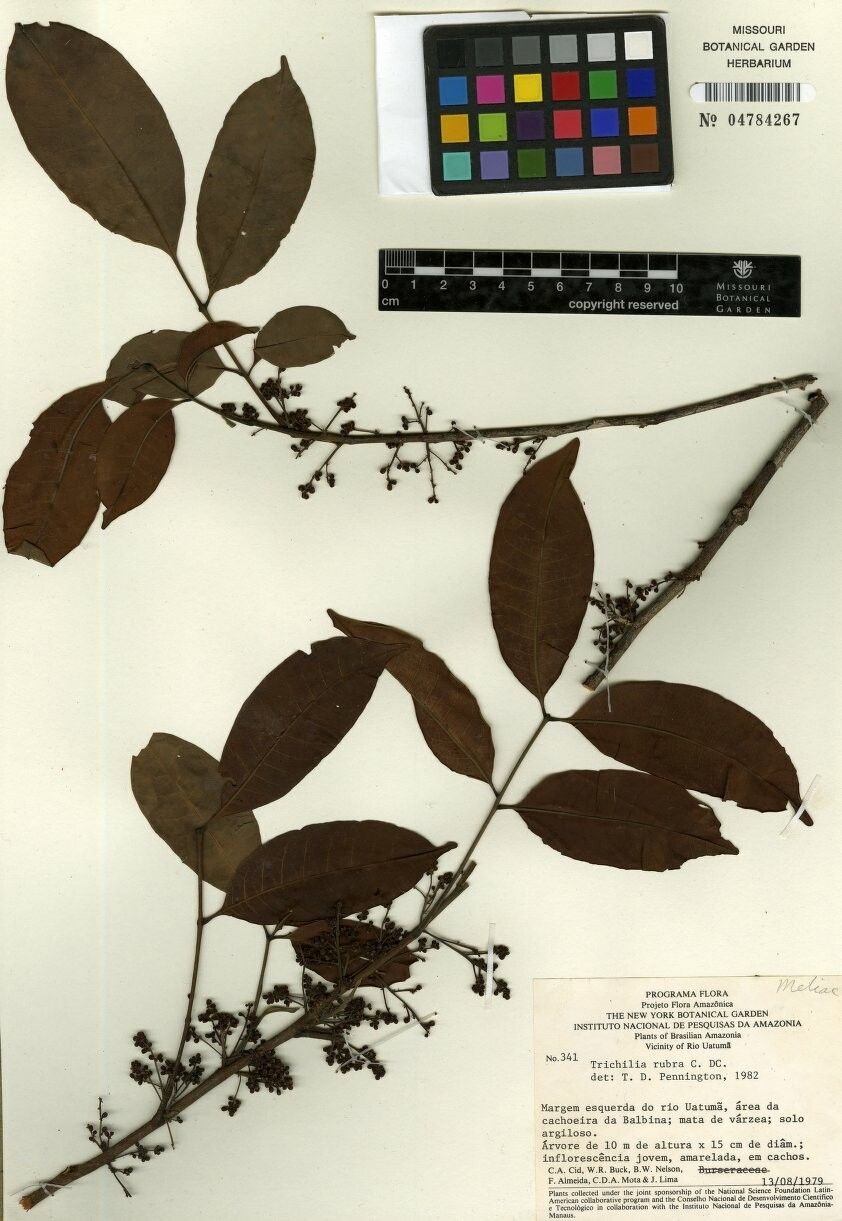
From Seed to Sapling: Unlocking the Secrets of Trichilia Rubra Propagation
Trichilia rubra, also known as the Pacific cedar or jocote, is a majestic tropical tree prized for its dense foliage, fragrant flowers, and beautiful reddish-brown timber. While it effortlessly graces landscapes in its natural habitat, propagating this tropical beauty requires a bit of a green thumb. Fear not, fellow plant enthusiasts! This guide unlocks the secrets to successfully growing Trichilia rubra, whether you’re starting from seed or cuttings.
Method 1: Seed Propagation – A Journey of Patience and Reward
Propagating Trichilia rubra from seed is an immensely satisfying experience, offering a front-row seat to the tree’s life cycle. Here’s what you need to know:
Seed Collection and Preparation: Collect mature fruits directly from the tree, ideally those that have fallen to the ground. Extract the seeds from the fruit and rinse off any remaining pulp. To enhance germination rates, soak the seeds in water for 24 hours before sowing.
Sowing the Seeds: Choose a well-draining seed starting mix and fill small pots or seed trays. Sow the seeds about 1 inch deep and lightly cover them with the mix.
Providing the Right Environment: Trichilia rubra seeds thrive in warmth and humidity. Place the pots in a bright location, out of direct sunlight, with temperatures around 75-85°F (24-29°C). Mist the soil regularly to keep it consistently moist but not waterlogged.
Germination and Early Care: Germination can take anywhere from a few weeks to a couple of months. Once the seedlings emerge, maintain a humid environment by covering the pots with plastic wrap or using a humidity dome. As the seedlings develop, gradually expose them to more sunlight.
- Transplanting: When the seedlings have a few sets of true leaves and are sturdy enough to handle, transplant them into larger individual pots filled with well-draining soil. Gradually acclimate them to outdoor conditions if you plan to plant them in the ground.
Method 2: Propagation from Cuttings – A Faster Route to Success
For a quicker approach, propagating from cuttings is a viable option, though it requires a bit more finesse:
Taking the Cuttings: Select healthy, semi-hardwood cuttings from the current year’s growth. The ideal cutting should be about 4-6 inches long with several nodes.
Preparing the Cuttings: Remove the leaves from the lower half of the cutting. To encourage rooting, dip the cut end in rooting hormone powder (optional but recommended).
Planting the Cuttings: Fill small pots with a well-draining rooting mix. Make a hole in the center and carefully insert the cutting, burying at least two nodes below the soil surface.
Creating a Humid Environment: Like seedlings, cuttings need a humid environment to root successfully. Cover the pots with a clear plastic bag or use a propagation dome to maintain humidity.
- Rooting and Growth: Keep the cuttings in a warm, bright location, out of direct sunlight. Check the moisture levels regularly and mist the soil as needed. Rooting usually occurs within 6-8 weeks. Once the cuttings show signs of new growth, it indicates successful rooting.
Nurturing your Trichilia Rubra:
Regardless of your chosen propagation method, provide your young Trichilia rubra with adequate water, sunlight, and well-draining soil. Fertilize them lightly every few months during the growing season to support healthy development.
With patience and care, you can successfully propagate and enjoy the beauty of Trichilia rubra for years to come. So, roll up your sleeves, get your hands dirty, and embark on the rewarding journey of growing your own magnificent Trichilia rubra!