
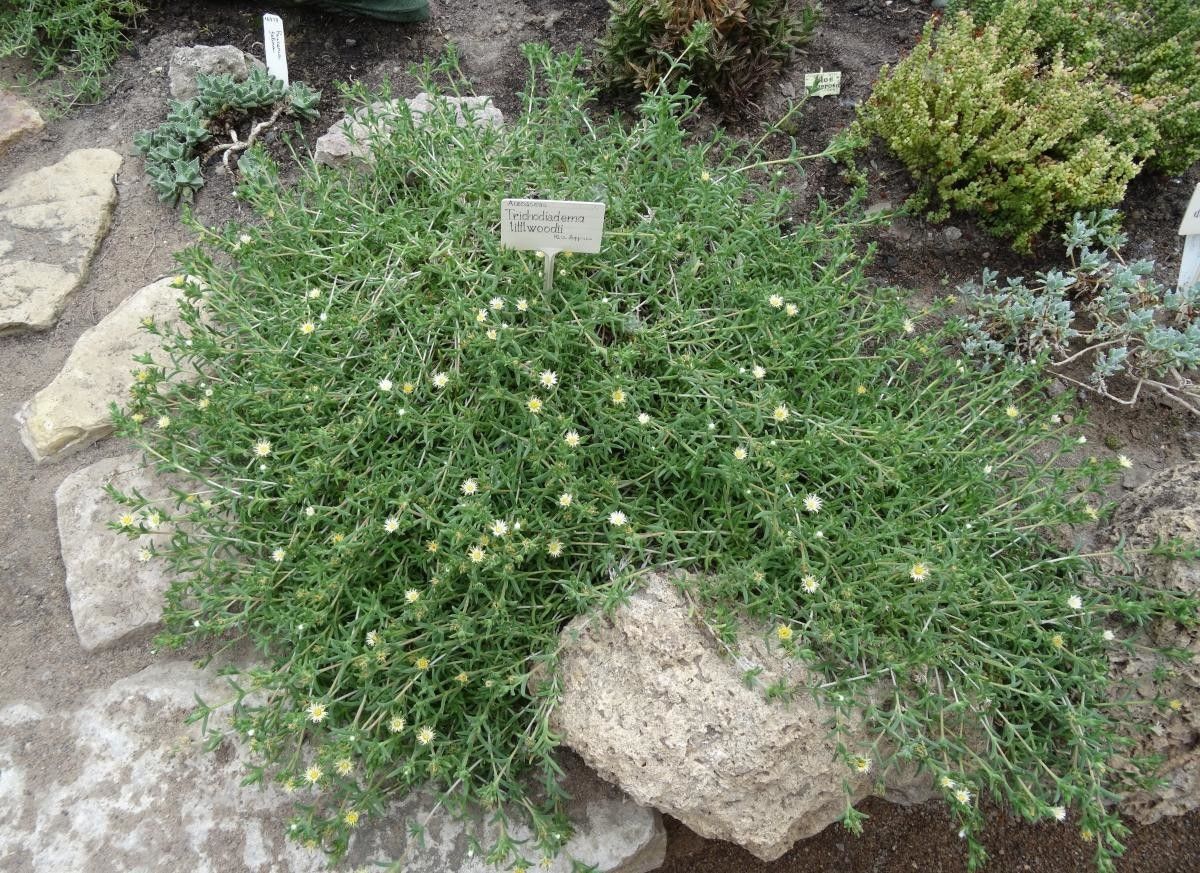
Tiny Treasures: How to Propagate Trichodiadema Littlewoodii
The Trichodiadema littlewoodii, with its delightful miniature succulent leaves and beautiful blooms, is a captivating addition to any plant collection. But did you know you can easily multiply these tiny treasures? Propagation is a rewarding process that allows you to share your love for this plant with friends, create stunning arrangements, or simply expand your own growing space.
Method 1: The Power of Seeds
While it may seem daunting, growing Trichodiadema littlewoodii from seed is surprisingly straightforward. Here’s what you’ll need:
- Seeds: You can source these from reputable sellers online or collect them from your existing plants.
- Seed-starting mix: A well-draining mix specially formulated for succulents is ideal.
- Shallow pot or tray: Ensure it has drainage holes.
- Watering can with fine rose: For gentle watering.
- Bright, warm location: Avoid direct sunlight.
Steps:
- Prepare the soil: Fill the pot or tray with the seed-starting mix. Lightly moisten the soil.
- Sow the seeds: Scatter the seeds evenly across the surface of the soil. Don’t bury them deep; a light dusting of soil should suffice.
- Water gently: Use a fine rose watering can to mist the soil surface.
- Cover with a plastic dome or wrap: This will create a humid environment, promoting germination.
- Maintain warmth and light: Place the container in a bright location, avoiding direct sunlight. Aim for temperatures around 70-75°F (21-24°C).
- Monitor moisture: Keep the soil slightly moist but not soggy.
- Germination: Be patient! Seeds can take several weeks to germinate. Once they emerge, slowly acclimate them to direct sunlight.
Method 2: The Ease of Cuttings
Taking cuttings is arguably the most common and successful way to propagate Trichodiadema littlewoodii. Here’s how:
- Sharp knife or scissors: For clean cuts.
- Rooting hormone (optional): To stimulate root growth.
- Potting mix: A well-draining mix for succulents.
- Small pot or tray with drainage holes.
- Bright, filtered light: Avoid harsh sunlight.
Steps:
- Choose healthy cuttings: Select stem tips or side shoots that are at least 2-3 inches long.
- Make clean cuts: Using a sharp knife or scissors, cut the chosen stems just below a leaf node.
- Let cuttings dry: Allow the cut ends to dry for a few days, forming a callus that helps prevent rotting.
- Prepare the rooting medium: Fill the pot with the succulent potting mix and moisten it thoroughly.
- Dip in rooting hormone (optional): If using, dip the cut ends of the cuttings lightly into the rooting hormone.
- Insert the cuttings: Gently insert the cut ends into the soil, making sure they are at least an inch deep.
- Water lightly: Mist the soil surface to keep it moist.
- Maintain a warm, bright environment: Place the pot in a bright location with indirect sunlight.
- Rooted cuttings: After a few weeks, your cuttings should have developed roots. You can then gradually acclimate them to more direct sunlight and continue caring for them as you would established plants.
A Few Extra Tips:
- Clean tools are key: To prevent diseases, always sanitize your knives or scissors before using them for propagation.
- Don’t overwater: Succulents are prone to rotting if their soil is kept constantly wet. Allow the soil to dry completely between waterings.
- Patience is a virtue: Propagation takes time. Don’t be discouraged if you don’t see immediate results.
- Enjoy the process: Propagation isn’t just about multiplying plants; it’s an exciting journey into the world of plant growth and development.
So, whether you choose seeds or cuttings, propagating Trichodiadema littlewoodii is a rewarding experience that will allow you to appreciate these tiny, captivating succulents even more. Go ahead, give it a try! You’ll be amazed at the results and enjoy the satisfaction of creating new life from your favorite plant.