How to Propagate Trichosanthes costata
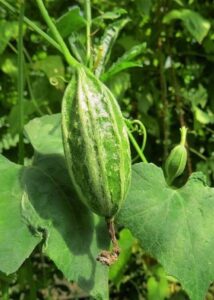
Unlocking the Secrets of the Ribbed Snake Gourd: Your Guide to Propagating Trichosanthes costata
The plant world holds a certain mystique, a realm where patience and a touch of green magic can bring forth botanical wonders. Today, we’re venturing into the fascinating world of Trichosanthes costata, more commonly known as the ribbed snake gourd, to unlock the secrets of its propagation. If you’re looking for a rewarding and slightly unusual addition to your garden, keep reading!
Getting to Know the Ribbed Snake Gourd
Native to Southeast Asia, this climbing vine is a sight to behold. With its striking, ridged gourds that can grow over a foot long, Trichosanthes costata adds a touch of the exotic to any garden. But this plant is more than just a pretty face. In many cultures, the young gourds are prized for their culinary uses, often featured in stir-fries and soups.
Propagation Methods: Seeds vs. Cuttings
While both seeds and cuttings offer viable pathways to propagate your very own Trichosanthes costata, each has its pros and cons:
-
Seed Propagation: This is generally the easier and most popular method. Here’s how:
- Seed Collection: Source fresh seeds from ripe gourds or reputable suppliers.
- Seed Preparation (optional): Nicking the seed coat or soaking seeds in water overnight can help improve germination rates.
- Sowing: Sow seeds about 1-2 inches deep in a well-draining seed-starting mix.
- Warmth and Moisture: Trichosanthes costata thrives in warmth (around 75-85°F) and humidity. A seed heating mat or warm, sunny location is ideal. Keep the soil consistently moist but not waterlogged.
- Transplanting: Once seedlings develop a few true leaves, transplant them carefully into larger pots or directly into the garden after the last frost.
-
Propagation from Cuttings: This method is slightly more advanced but can be a faster way to obtain mature plants.
- Taking Cuttings: In spring or early summer, select healthy, non-flowering stems. Make a clean cut below a leaf node, ensuring your cutting is about 4-6 inches long.
- Preparing the Cuttings: Remove the lower leaves, leaving only a few at the top. Dip the cut end in rooting hormone (optional).
- Planting the Cuttings: Insert the cuttings into a well-draining potting mix, ensuring at least one node is buried.
- Creating a Humid Environment: Cover the pot with a plastic bag or humidity dome to retain moisture. Place in a warm, brightly lit area (out of direct sunlight).
Essential Care Tips for Thriving Gourds
Whether you choose seeds or cuttings, success lies in providing optimal growing conditions:
- Sunlight: Trichosanthes costata loves sunshine. Aim for at least 6 hours of direct sunlight daily.
- Support Structure: This vigorous climber needs sturdy support. Trellises, fences, or strong stakes are essential.
- Watering: Water deeply and regularly, allowing the soil to dry slightly between waterings.
- Fertilization: Feed your plant with a balanced fertilizer every 2-3 weeks during the growing season.
Reaping the Rewards
With proper care, your Trichosanthes costata will reward you with its unique beauty and bountiful produce. Enjoy the satisfaction of cultivating this fascinating gourd and adding a touch of the exotic to your garden table!