
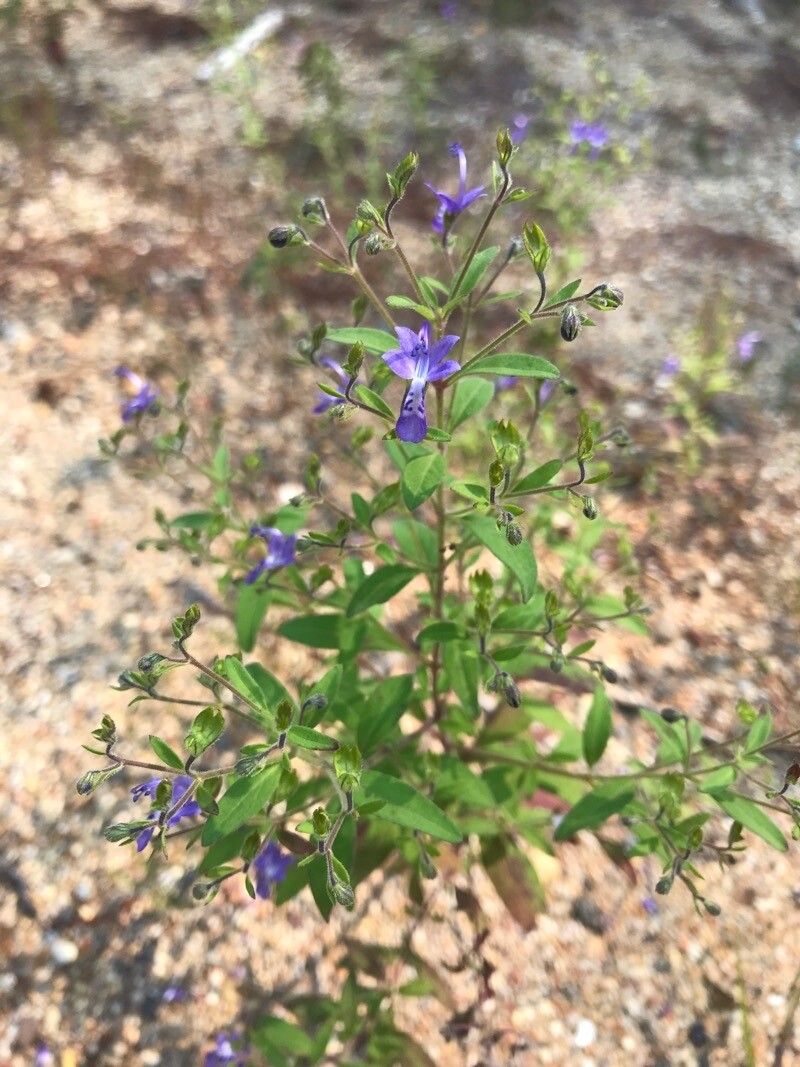
Unleashing the Blue: Propagating the Easygoing Forked Bluecurls
The Forked Bluecurl (Trichostema dichotomum), with its otherworldly blue blossoms, is a sight to behold. This fascinating wildflower brings a touch of magic to gardens across its native eastern North America, attracting pollinators with its unique, “curly” stamen. If you’re hoping to invite this whimsical beauty into your own space, propagation is surprisingly straightforward. Let’s explore the two main methods:
1. Starting from Seed: A Dance with Dormancy
Forked Bluecurls readily reproduce from seed, offering a rewarding journey for plant enthusiasts. However, these seeds employ a clever trick—dormancy. This means they need a little encouragement before springing to life.
- Collection and Storage: Collect ripe seed capsules in the fall when they turn brown and papery. Allow them to dry completely before storing in a cool, dry place until spring.
- Breaking Dormancy: The Cold Treatment: Mimicking nature’s cues is key. Before sowing, stratify your seeds by placing them in a damp paper towel within a sealed bag and refrigerating for 4-6 weeks. This cold period helps break their dormancy.
- Sowing the Seeds: In spring, sow your stratified seeds directly outdoors after the last frost or start them indoors 6-8 weeks prior. Choose a well-drained seed starting mix and barely cover the seeds, as light aids germination.
- Patience is Key: Germination can take several weeks. Keep the soil consistently moist but not waterlogged. Once seedlings emerge and have a few sets of true leaves, they can be thinned or transplanted.
2. Cuttings: Cloning Your Floral Favorites
For a quicker and potentially more predictable outcome, consider propagating Forked Bluecurls from cuttings. This method creates clones of the parent plant, ensuring you replicate its exact characteristics.
- Timing is Everything: Take cuttings in late spring or early summer when the plant is actively growing. Choose healthy stems that haven’t flowered yet.
- Making the Cut: Using clean, sharp shears, take cuttings about 3-4 inches long just below a leaf node (the bump where leaves emerge). Remove the lower leaves, leaving 2-3 leaves at the top.
- Encouraging Root Development: Dip the cut end in rooting hormone powder (optional but helpful) and plant it in a well-draining potting mix. Keep the soil consistently moist.
- Creating a Humid Haven: Cover the cutting with a clear plastic bag or humidity dome to trap moisture and create a greenhouse-like environment. Make sure the covering doesn’t touch the cutting.
- Transplanting Success: After a few weeks, gently tug on the cutting; resistance indicates roots have formed. Once roots are established, the cutting can be transplanted to a larger pot or directly into the garden.
Whichever method you choose, remember:
- Sun Lovers: Forked Bluecurls thrive in full sun to partial shade.
- Well-Drained Soil: Ensure good drainage to prevent root rot.
- Low-Maintenance Beauties: These hardy wildflowers are relatively pest and disease-free.
By embracing the simple joy of propagation, you can cultivate a vibrant haven of these captivating blue blooms, attracting pollinators and enriching your outdoor space with their unique charm.