
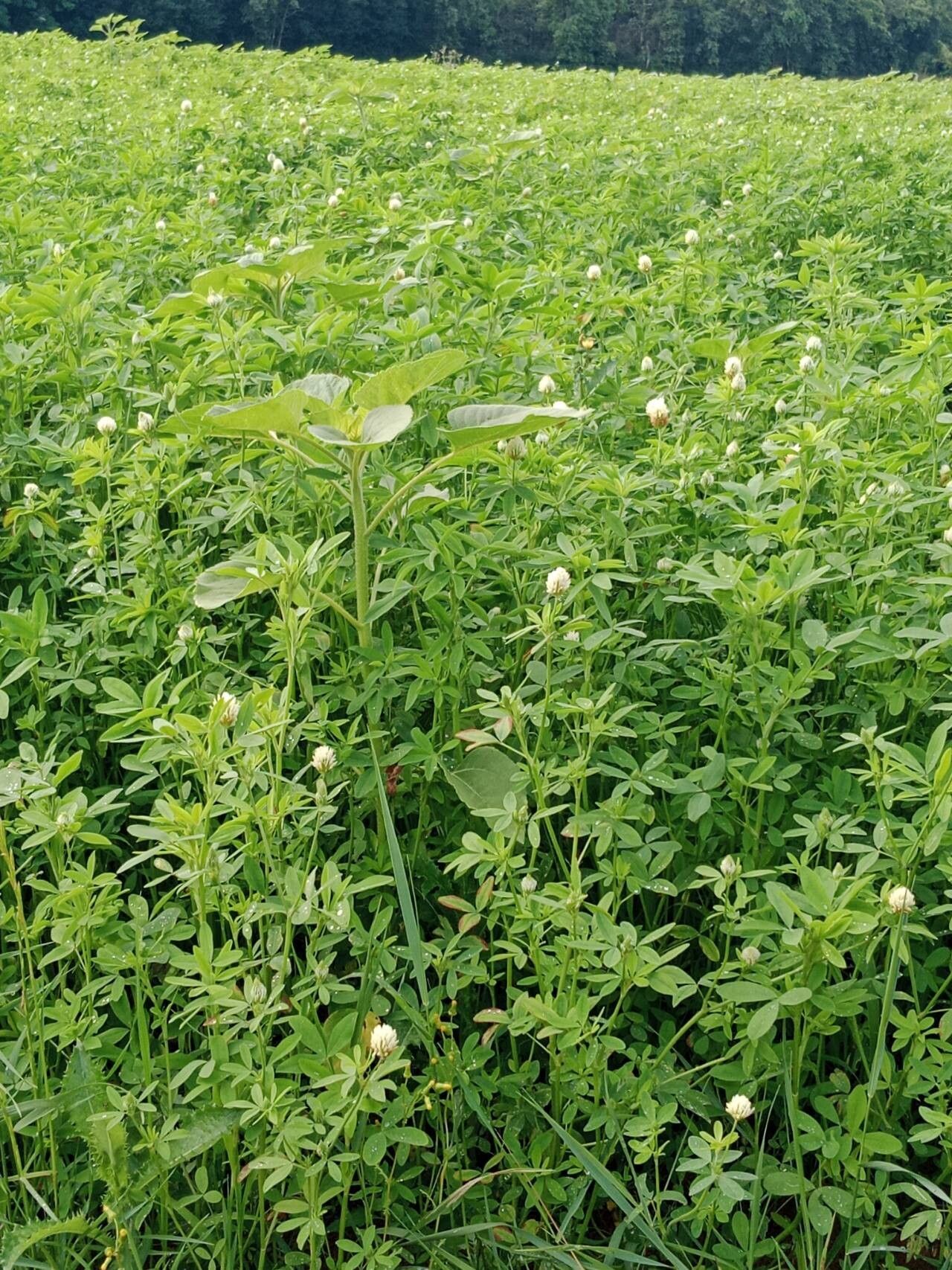
From Seed to Field: The Easy Guide to Growing Your Own Berseem Clover
Berseem clover (Trifolium alexandrinum) – a lush green forage crop with a sweet, honey-like aroma – is fast becoming a popular choice for gardeners and farmers alike. This versatile plant offers a bountiful supply of nutritious fodder for livestock, while also captivating admirers with its vibrant foliage and delightful fragrance.
But how do you get your hands on this wonder crop? The good news is, propagating berseem clover is remarkably simple. Here’s your guide to successfully growing berseem clover from seed:
1. Timing is Everything:
Berseem clover thrives in cool, moist conditions. For optimal growth, sow your seeds in early fall or winter, allowing time for establishment before the warm weather arrives. If you’re in a colder climate, spring sowing is also an option.
2. Prepare the Soil:
Berseem clover prefers a well-drained, fertile soil with a slightly acidic pH (ranging from 6.0 to 6.5). Before planting, break up any compacted soil by tilling or digging, and incorporating organic matter like compost to improve drainage and nutrient content.
3. Getting the Seeds In:
Direct sowing is the most common method for propagating berseem clover. Simply broadcast the seeds evenly across the prepared soil at a rate of 10-15 pounds per acre. Alternatively, you can drill the seeds at a depth of 1/4 to 1/2 inch.
4. Watering Wisely:
Consistent moisture is key to successful germination and seedling establishment. Water the soil thoroughly after sowing and keep it consistently moist, especially during the first few weeks. Once established, berseem clover is relatively drought-tolerant but will benefit from regular watering during dry periods.
5. Enjoy the Rewards:
Berseem clover grows rapidly, producing lush green foliage within just a few weeks. You can start harvesting for livestock feed within 60 days of sowing.
Beyond the Basics:
- Fertilization: While berseem clover is relatively low-maintenance, applying a balanced fertilizer during the growing season can boost production.
- Pest Control: Berseem clover is generally pest-resistant, but aphids can be a problem. Monitor your plants regularly and consider natural pest control methods.
- Disease Prevention: Good sanitation practices and proper drainage can effectively prevent most diseases. If fungal diseases do occur, consider using a fungicide specifically designed for clover.
- Harvest: Harvest berseem clover when it is in full bloom for optimal nutritional value.
- Pasture Management: For pasture situations, allow the plants to regrow and produce multiple cuttings throughout the growing season.
Growing your own berseem clover is rewarding both for your animals and your garden. The lush, fragrant foliage adds a touch of beauty to your landscape, while providing a readily available and nutritious food source.
So, get ready to experience the joy of cultivating this versatile plant. With a little effort and these simple steps, you’ll soon behold your own field of berseem clover, a testament to the magic of simple gardening.