
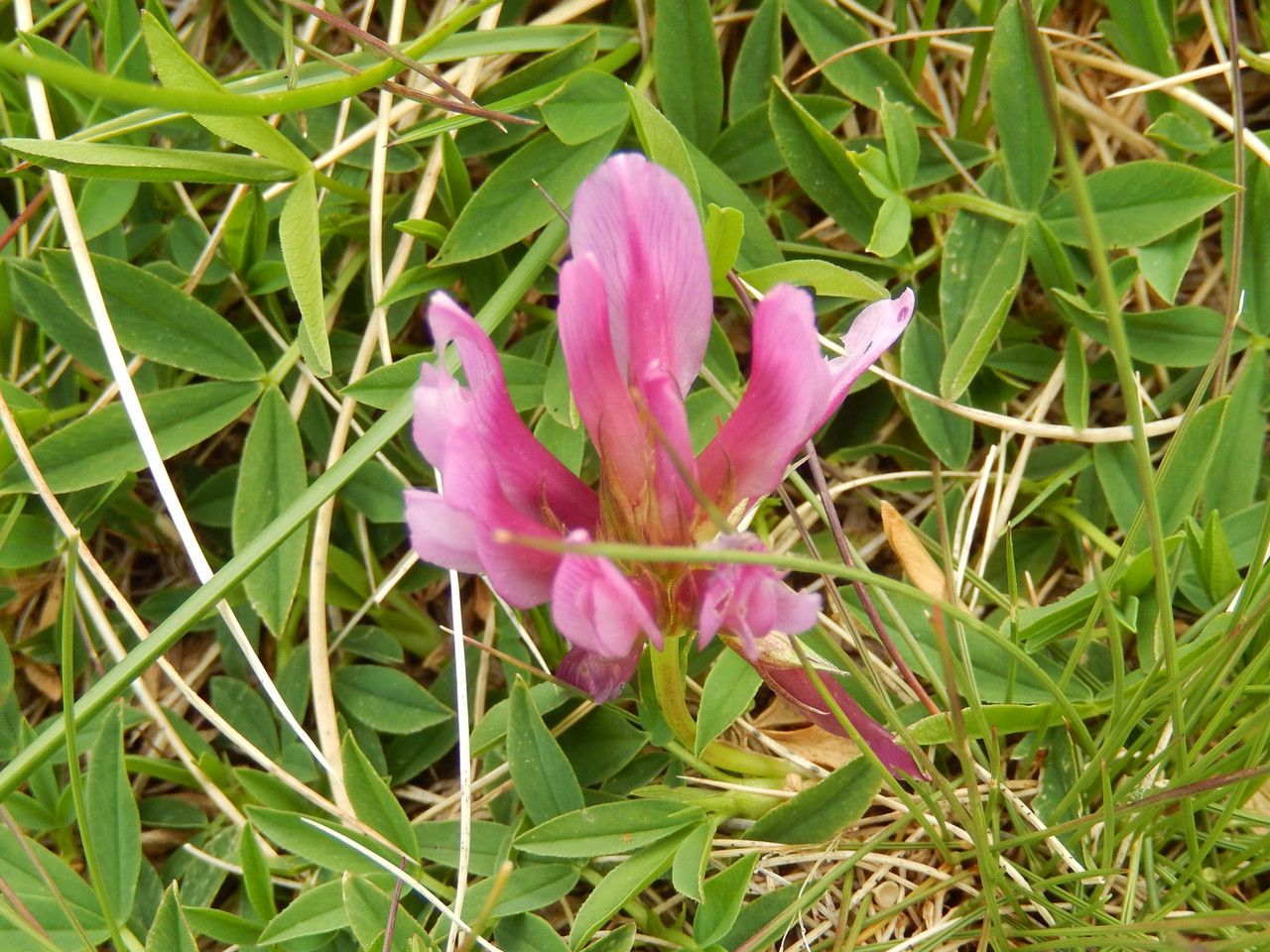
From Tiny Seed to Alpine Glory: Propagating the Rare Trifolium alpinum
Ever dream of having your own patch of Alpine Clover blooming in your garden? This tiny but mighty plant, scientifically known as Trifolium alpinum, is a true gem from the high peaks of the Alps, showcasing delicate pink or white blossoms and a uniquely captivating charm. While it might seem like a challenge to grow this rare gem, propagation is actually surprisingly achievable!
Understanding the Basics
Before we dive into techniques, let’s get to know Trifolium alpinum a little better. As a member of the Fabaceae family (the legume family), this species thrives in well-drained, slightly acidic conditions. While it loves the sun, it can also tolerate partial shade. It’s a relatively small plant, reaching a maximum height of about 15 cm, making it perfect for containers or rock gardens.
Methods of Propagation
Now, let’s explore the various ways to propagate this alpine treasure:
From Seed: The most common method involves sowing seeds directly into the ground after the last frost. While it’s possible to start seeds indoors, the plants are quite sensitive to transplanting. Prepare a well-drained seedbed using a mix of composted bark, peat moss, and perlite. Sow thinly and press the seeds lightly into the soil. Keep the soil consistently moist, and germination should occur within 2-3 weeks.
- Division: Established plants can be divided in the spring or fall. Simply dig up the plant, carefully separate the root ball, and replant each division in a new location. This method ensures that your new plants are genetically identical to the parent plant, preserving its unique traits.
Tips for Success
Mimic the Alpine Environment: Remember, Trifolium alpinum thrives in a well-drained, rocky environment. Simulate these conditions in your garden by using a free-draining soil mix and ensuring proper aeration.
Water Wisely: Avoid overwatering, which can lead to root rot. Allow the soil to dry slightly between waterings.
Regular Pruning: Pinch off the flower buds in the early stages of growth to encourage bushier growth. This will also help maintain the plant’s compactness and prevent it from becoming leggy.
- Patience is Key: Trifolium alpinum is a slow-growing plant, but with proper care, it will eventually reward you with stunning blooms.
The Beauty of Propagation
Propagating your own Trifolium alpinum is a rewarding endeavor. Not only will you have the pleasure of enjoying this unique and delightful plant in your garden, but you’ll also be helping to preserve its beauty for future generations. It’s a perfect way to connect with nature and appreciate the wonders of the plant world, all while bringing the magic of the Alps to your own backyard.