
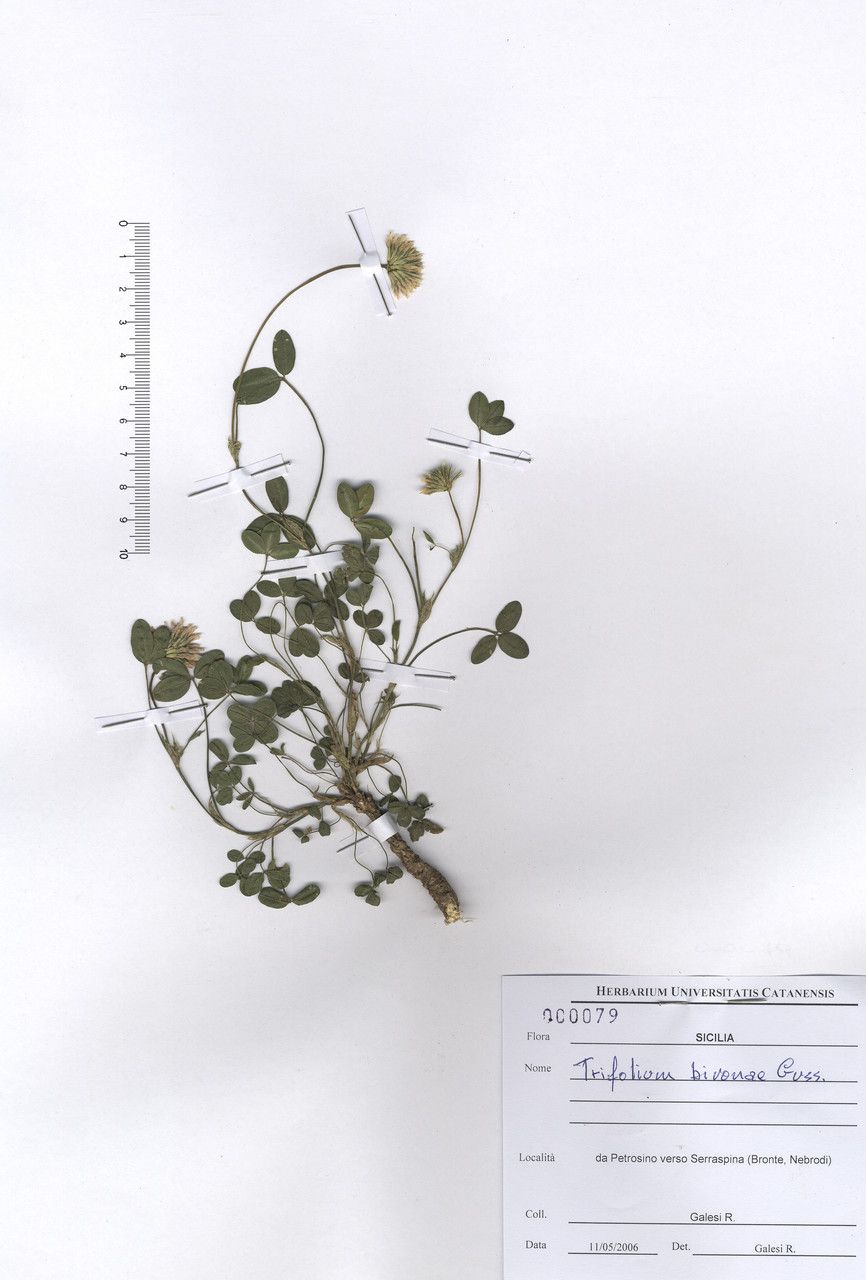
Unearthing the Secrets of Trifolium bivonae Propagation: A How-to Guide for Stunning Clover Gardens
Trifolium bivonae, also known as Bivona’s clover, is a charming perennial known for its vibrant pink pompoms and delicate foliage. This Mediterranean native adds a splash of color and textural charm to rock gardens, borders, and even hanging baskets. While relatively low-maintenance, understanding the art of propagation is key to unlocking a flourishing Trifolium bivonae garden. Let’s delve into the secrets of multiplying this beautiful clover.
Seeds: A Journey of Patience and Reward
Starting Trifolium bivonae from seed offers a rewarding, albeit slower, propagation method. Here’s how:
- Timing is Everything: Sow seeds in late winter or early spring, about 6-8 weeks before the last frost.
- Preparing the Seedbed: Utilize a well-draining seed starting mix and moisten it evenly.
- Sowing with Care: Scatter seeds sparsely over the surface, lightly pressing them into the soil without burying them completely, as they need light to germinate.
- Patience is Key: Germination can be a waiting game, often taking 2-4 weeks. Ensure the soil remains consistently moist during this period.
- Thinning for Success: Once seedlings develop a set of true leaves, thin them out to maintain a spacing of 6-12 inches. This allows for optimal air circulation and growth.
Division: The Power of Multiplication
For a quicker propagation method and to rejuvenate mature plants, division is the way to go:
- Timing Matters: Divide established clumps in early spring or late summer when the plant is not actively flowering.
- Gentle Excavation: Carefully lift the entire clump from the ground, using a garden fork to minimize root disturbance.
- Dividing with Precision: Gently separate the clump into smaller sections, ensuring each division has a healthy portion of roots and shoots.
- Replanting and Care: Replant the divisions at the same depth they were originally growing. Water thoroughly and provide adequate sunlight.
Cuttings: A Chance to Branch Out
While less common, taking basal cuttings offers another viable option:
- Optimal Timing: Spring is the ideal time for taking basal cuttings, just as new growth emerges.
- Cutting with Care: Using a sharp, sterilized knife or pruning shears, take 3-4 inch cuttings from healthy, non-flowering stems at the base of the plant.
- Hormone Boost (Optional): Dip the cut ends in rooting hormone to encourage faster root development.
- Planting the Cuttings: Insert the cuttings into a well-draining potting mix, ensuring at least one node is buried.
- Creating a Humid Environment: Cover the cuttings with a plastic bag or use a propagation dome to maintain humidity and warmth.
- Transplanting to Glory: Once roots develop (usually within a few weeks), transplant the rooted cuttings into individual pots or your desired garden location.
Unlocking Success: Tips for Thriving Trifolium bivonae
- Sunlight Makes the Difference: Provide at least 6 hours of sunlight daily for optimal growth and vibrant blooms.
- Well-Drained Soil is Crucial: Trifolium bivonae thrives in fertile, well-drained soil. Amend heavy clay soils with compost or sand for ideal drainage.
- Watering Wisely: Water regularly, especially during dry spells, but avoid overwatering, which can lead to root rot. Allow the soil to dry slightly between waterings.
- Deadheading Encourages Blooms: Regularly remove spent flowers to encourage a continuous display of vibrant blooms.
Propagating Trifolium bivonae is a rewarding experience for gardeners of all levels. With a little patience and these insightful tips, you can create a breathtaking display of these charming clover beauties in your own garden. So, roll up your sleeves, unearth your inner gardener, and watch your Trifolium bivonae kingdom flourish!