
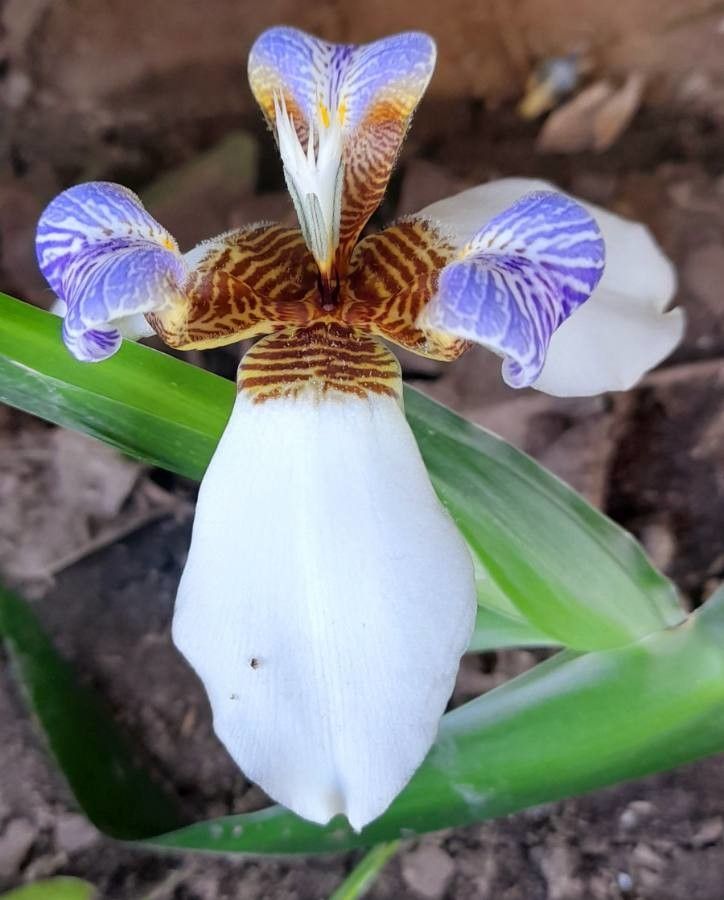
Unlocking the Secrets of Trimezia Candida Propagation: Watch Your Garden Sparkle!
Trimezia candida, also known as the white apostle’s iris or the white walking iris, is a beautiful and resilient perennial that brightens any garden with its elegant, iris-like blooms. Native to Central and South America, this plant is revered for its ability to thrive in a variety of conditions and its remarkable self-propagation techniques. But did you know that you can easily multiply your Trimezia candida collection and spread the floral joy even further?
This guide dives into the fascinating world of Trimezia candida propagation, equipping you with the knowledge to grow these stunning flowers at home.
Understanding the Walking Habit
Trimezia candida gets its intriguing “walking” nickname from its unique propagation method. As the plant matures, it produces plantlets at the end of its flowering stalks. These baby plants grow heavier over time, eventually causing the stalk to bend towards the ground. Once the plantlet makes contact with the soil, it develops roots, effectively “walking” away from the mother plant and establishing itself as an independent entity.
Propagating Trimezia Candida: Two Easy Methods
While the natural “walking” method is fascinating to observe, you can take a more proactive approach to propagate your Trimezia candida:
1. Division:
This method involves separating established clumps of Trimezia candida to create new plants.
- Timing: Spring is the ideal time for division, just as the new growth begins to emerge.
- Process:
- Carefully dig up a mature clump of Trimezia candida, ensuring you minimize root disturbance.
- Gently separate the clump into smaller sections, ensuring each section has a healthy root system and several healthy leaves.
- Plant the divisions in well-draining soil in a sunny or partially shaded location.
- Water thoroughly and keep the soil consistently moist until the divisions establish themselves.
2. Plantlet Removal:
This method capitalizes on the plant’s natural “walking” tendency.
- Timing: This can be done throughout the growing season, but it’s best to wait until the plantlets have developed a good root system.
- Process:
- Identify mature plantlets on the flower stalks that have developed visible roots.
- Carefully detach the plantlets from the mother plant using a clean, sharp knife or scissors.
- Plant the plantlets in individual pots or directly into the ground, ensuring the soil is well-draining.
- Water thoroughly and provide dappled sunlight until the new plants establish themselves.
Tricks for Propagation Success
- Well-draining soil: Trimezia candida thrives in well-draining soil amended with organic matter.
- Adequate sunlight: These plants prefer full sun to partial shade.
- Regular watering: Keep the soil consistently moist, especially during the first growing season. However, avoid overwatering, as it can lead to root rot.
- Fertilization: While not heavy feeders, a light application of balanced fertilizer during the growing season can encourage healthy growth.
Conclusion:
Propagating Trimezia candida is a rewarding experience, allowing you to expand your garden with these resilient and attractive flowers. By understanding their unique “walking” habit and employing these simple propagation techniques, you can watch your collection thrive and multiply, transforming your outdoor space into a vibrant, blooming paradise. So, roll up your sleeves, get your hands dirty, and let your garden benefit from the beauty and resilience of Trimezia candida.