
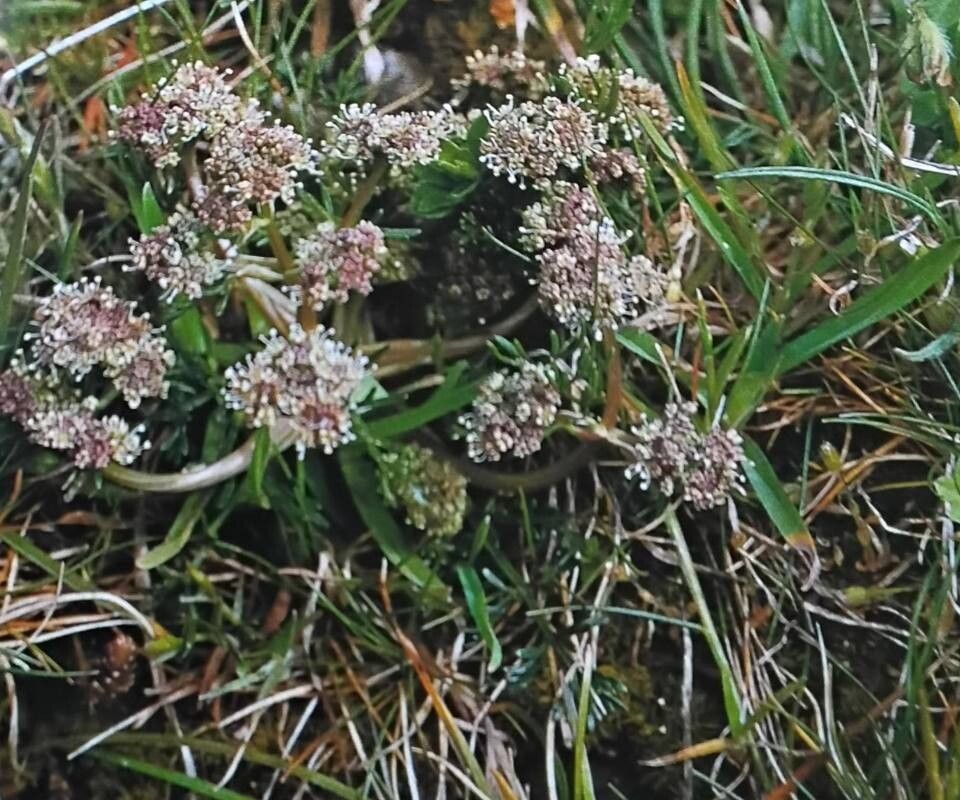
Propagating Trinia glauca: A Gardener’s Guide to the Sea-holly
Trinia glauca, commonly known as sea-holly or glaucous honeywort, is a charming, low-growing umbelliferous plant admired for its delicate, ferny foliage and clusters of tiny, white flowers. Its tolerance of poor, dry soils and its ability to thrive in coastal environments make it a popular choice among gardeners seeking low-maintenance, drought-tolerant additions to their landscapes, especially in rock gardens or as groundcover. While relatively easy to maintain, propagating Trinia glauca presents certain challenges, offering a rewarding experience for the persistent gardener.
Seed Germination:
Currently, there are no known reliable methods for seed germination propagation of Trinia glauca. While seeds may be produced, their germination rate is extremely low, and successful germination, even under ideal conditions, remains largely undocumented. This is likely due to factors such as dormancy mechanisms within the seeds or specific environmental requirements not yet fully understood.
Cuttings:
Propagating Trinia glauca from cuttings offers a more promising approach than seed germination.
Challenges: The success rate of cuttings can be variable. Softwood cuttings tend to be less reliable, exhibiting lower rooting rates. Hardwood cuttings, taken in late autumn or winter, might yield better results though they require patience.
Practical Tips: Take semi-hardwood cuttings in early summer from non-flowering stems. Remove lower leaves, dip in rooting hormone, and plant in a well-draining propagation mix kept consistently moist but not waterlogged. High humidity, achieved through propagation covers, significantly improves success rates. Choose a bright location, but avoid direct sunlight.
- Rewards: Cuttings offer a relatively quick method of propagation, allowing for the creation of genetically identical copies of the mother plant. This maintains desirable traits such as flower colour or foliage.
Division:
Division is arguably the most reliable method of propagation for Trinia glauca.
Challenges: Division can only be successfully undertaken when the plant is established and possesses a sufficient root system which can be safely divided. Improper handling can damage the roots, reducing the chances of survival.
Practical Tips: Divide the plant in early spring or autumn, when the soil is workable. Carefully lift the entire plant, gently separate the root ball (ideally into multiple sections with healthy roots and foliage), and replant each section in well-prepared soil. Ensure adequate spacing to allow for growth.
- Rewards: Division provides a rapid means of increasing the number of plants without the risks associated with seed germination or cutting propagation. It’s relatively easy to execute once the necessary timing and handling techniques are understood.
Tissue Culture:
Tissue culture offers a higher rate of propagation than other methods but requires specialized equipment and laboratory conditions.
Challenges: Establishing aseptic techniques and developing protocols for successful Trinia glauca tissue culture are complex and require expertise. Sterile environments are critical to prevent contamination.
Practical Tips: This method is best conducted by professional plant propagators or experienced tissue culture practitioners.
- Rewards: This technique offers the potential for large-scale production of Trinia glauca and offers possibilities for disease-free plant multiplication.
Conclusion:
Propagating Trinia glauca presents various challenges, with division proving the most reliable method for the home gardener. While seed germination is largely impractical and cutting propagation requires patience and the right technique, the rewards of successfully cultivating this delicate plant are immense. The unique satisfaction of nurturing a small cutting into a flourishing specimen, or carefully dividing a clump to expand your own collection, makes the effort worthwhile. Don’t be discouraged by initial setbacks – perseverance, coupled with attention to detail, will lead to the flourishing beauty of Trinia glauca in your garden.