
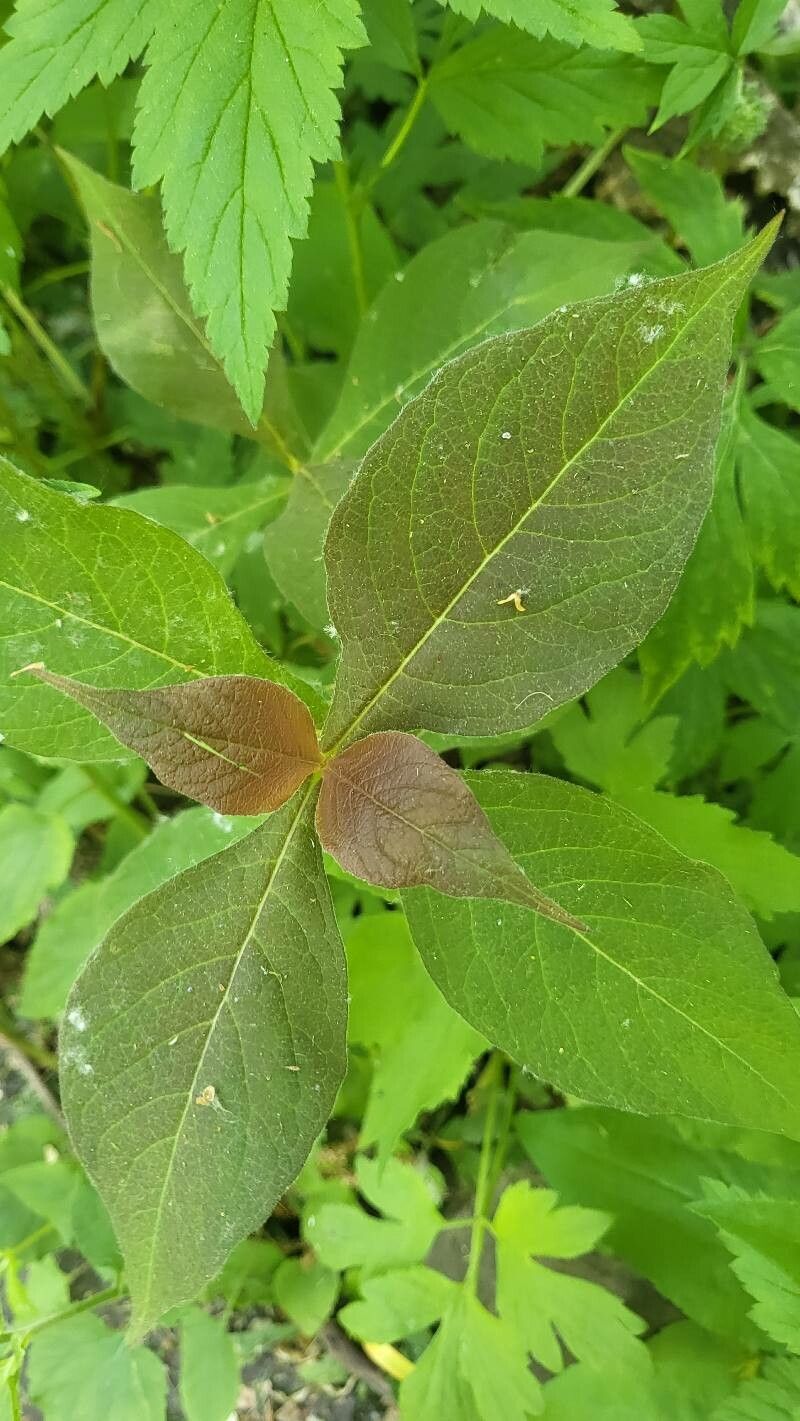
Unearthing the Secrets of Orangefruit Horse Gentian Propagation: A Guide for Your Garden
The Orangefruit Horse Gentian (Triosteum aurantiacum), despite its mouthful of a name, is a fascinating and beautiful addition to any shade garden. This North American native perennial boasts vibrant orange berries in the fall, attracting birds and adding a splash of unexpected color to the landscape. While often overlooked, propagating your own Horse Gentian is a rewarding way to expand your garden and share this unique plant with others.
But how exactly do you go about it? Don’t worry, you don’t need a degree in botany to succeed! Let’s delve into the various methods of propagating Triosteum aurantiacum:
1. The Power of Patience: Propagation from Seed
Propagating from seed is an adventure in patience, mirroring the plant’s natural life cycle. Here’s how to embark on this rewarding journey:
- Collection: Harvest ripe berries in the fall. The berries should be soft and easily crushed. Extract the seeds and clean off any remaining pulp.
- Stratification: Horse Gentian seeds require a period of cold stratification to break dormancy. Mix seeds with moist sand or vermiculite, place them in a sealed bag, and store them in the refrigerator for about 3 months.
- Sowing: In spring, sow the stratified seeds on the surface of seed-starting mix and lightly press them in. Keep the soil moist and place the tray in a warm, bright location. Germination can take several weeks, so be patient!
- Transplanting: Once seedlings develop a couple of sets of true leaves, transplant them into individual pots or directly into the garden after the last frost.
2. Division: Multiplying Your Gentian Clumps
For a quicker and slightly easier method, consider division:
- Timing is Key: Divide established Horse Gentian clumps in early spring as new growth emerges.
- Digging Deep: Carefully dig around the plant, ensuring you don’t damage the roots.
- Gentle Separation: Using a sharp, clean knife or garden spade, divide the clump into smaller sections, making sure each division has healthy roots and shoots.
- Replanting: Replant the divisions at the same depth they were originally growing and water them in well.
3. The Cutting Edge: Propagation from Root Cuttings
While less common, propagating from root cuttings can be successful:
- Winter is Coming: Take root cuttings in late winter or early spring while the plant is dormant.
- Below the Surface: Carefully expose a portion of the plant’s roots and take cuttings that are 2-3 inches long.
- Hormone Boost (Optional): Dip the cut ends in rooting hormone to encourage faster growth.
- Planting the Cuttings: Plant the cuttings horizontally in a tray filled with a well-draining seed-starting mix, burying them about an inch deep.
- Patience is a Virtue: Keep the mix moist and be patient, as root cuttings can take a while to establish.
Nurturing Your New Gentians:
Regardless of your chosen propagation method, provide your young plants with proper care:
- Shady Abode: Triosteum aurantiacum prefers partial shade to full shade.
- Well-Drained Soil: Ensure the soil is well-drained and rich in organic matter.
- Regular Watering: Keep the soil consistently moist, especially during dry spells.
With a little effort and patience, you can successfully propagate Orangefruit Horse Gentian and enjoy its unique beauty for years to come. Not only will you be enriching your own garden, but you’ll be playing a role in preserving this fascinating native plant. So, roll up your sleeves, get your hands dirty, and let the propagation begin!