
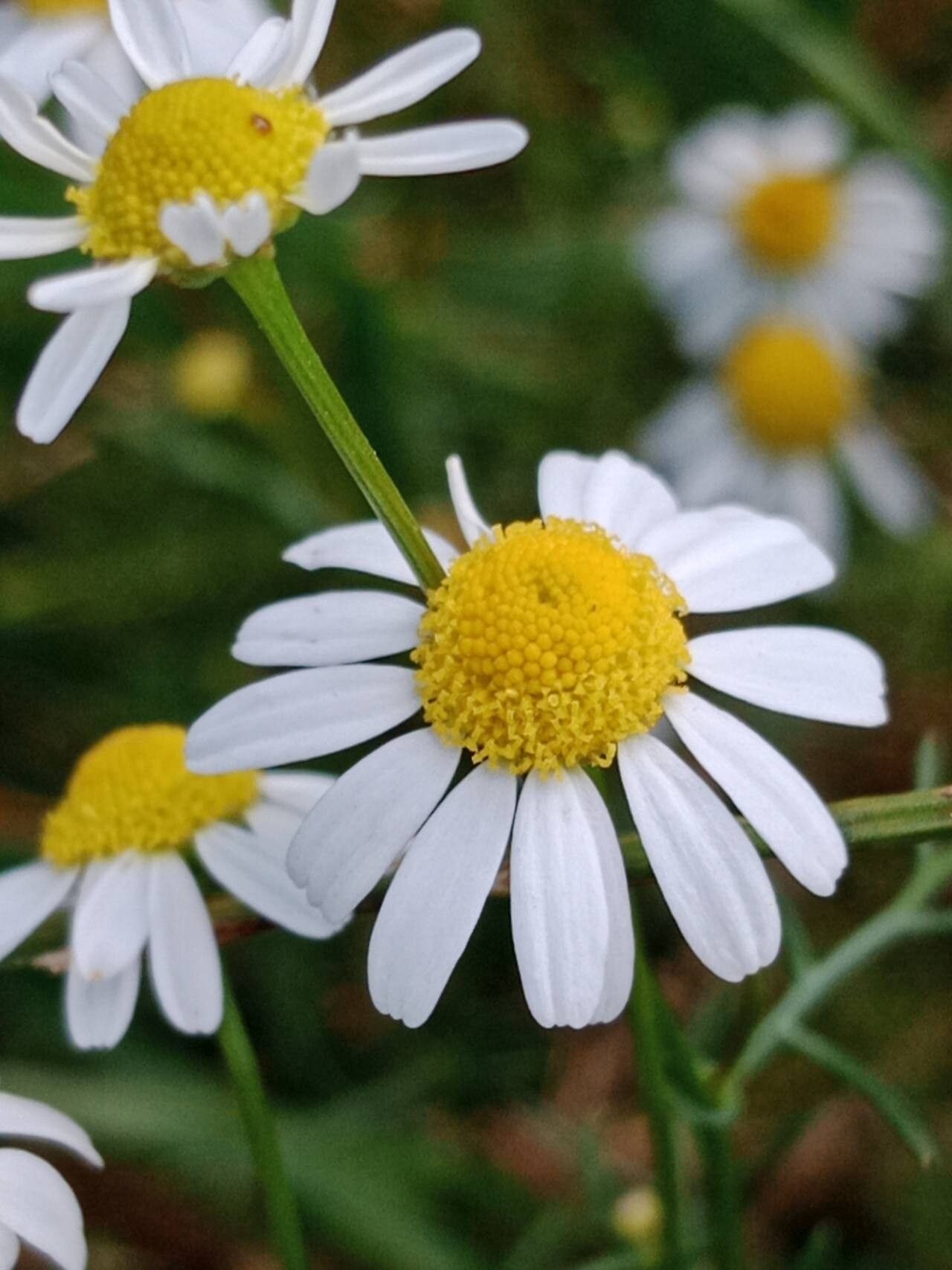
From Seed to Bloom: Growing Your Own Scentless Mayweed
Have you ever stumbled upon a field of delicate white flowers with a slightly sweet, yet strangely absent scent? That, my friend, is likely Tripleurospermum inodorum, also known as Scentless Mayweed. While it might not boast the most obvious aroma, this hardy annual offers a charming appeal and is surprisingly easy to grow from seed.
Understanding Scentless Mayweed
This member of the daisy family is often mistaken for its aromatic cousin, Chamomile. While both share similar appearances, Scentless Mayweed lacks the characteristic chamomile scent. It boasts cheerful, white, daisy-like flowers with a central yellow disc, reaching heights of 1-2 feet. It thrives in a range of conditions, making it a versatile addition to your garden.
Propagating Scentless Mayweed: A Beginner’s Guide
Growing Scentless Mayweed from seed is simple and rewarding. Here’s a step-by-step guide to help you cultivate this captivating plant:
1. Seed Starting:
- Timing: Direct sow seeds outdoors in early spring, after all risk of frost has passed. Depending on your climate, this could be as early as March in warmer regions or as late as May in colder climates.
- Location: Choose a sunny location with well-drained soil. Scentless Mayweed tolerates a variety of soil types but performs best in sandy or loamy soil.
- Sowing: Scatter the seeds thinly on top of the soil and gently press them in. Water the area thoroughly after sowing.
- Spacing: Thin out seedlings to a spacing of 12 inches apart once they have a few true leaves.
2. Direct Sowing:
- Timing: You can also direct sow seeds outdoors in the fall, which allows the seeds to stratify naturally over the winter. This method results in a more robust plant and earlier flowering the following spring.
- Procedure: Follow the same steps mentioned above for sowing and spacing.
3. Care and Maintenance:
- Watering: Keep the soil consistently moist, especially during hot summer months, but make sure it doesn’t become waterlogged.
- Fertilizing: While Scentless Mayweed doesn’t require heavy feeding, you can provide a balanced slow-release fertilizer in spring to encourage healthy growth.
- Weeding: Keep the area around your seedlings free of weeds to prevent competition for nutrients.
4. Harvesting:
- Flowering: Scentless Mayweed blooms from late spring to early summer, producing cheerful white flowers.
- Cutting: You can cut the flower stems for use in bouquets or dried arrangements. Simply cut the stems when the flowers are fully opened and hang them upside down in a warm, dry area to dry.
Benefits of Scentless Mayweed:
- Attracts pollinators: Its cheerful flowers attract bees, butterflies, and other beneficial insects to your garden.
- Low-maintenance: It’s a hardy and low-maintenance plant, perfect for beginner gardeners.
- Versatile: It can be used in borders, wildflower gardens, and cottage gardens.
Final Thoughts:
Scentless Mayweed, despite its name, is a wonderful plant to cultivate, offering both beauty and value to your garden. With its easy-to-propagate nature and carefree growth, it’s a surefire way to add a touch of delicate charm to your outdoor space. So why not give it a try? You might just find yourself captivated by its simple elegance and ease of cultivation.