
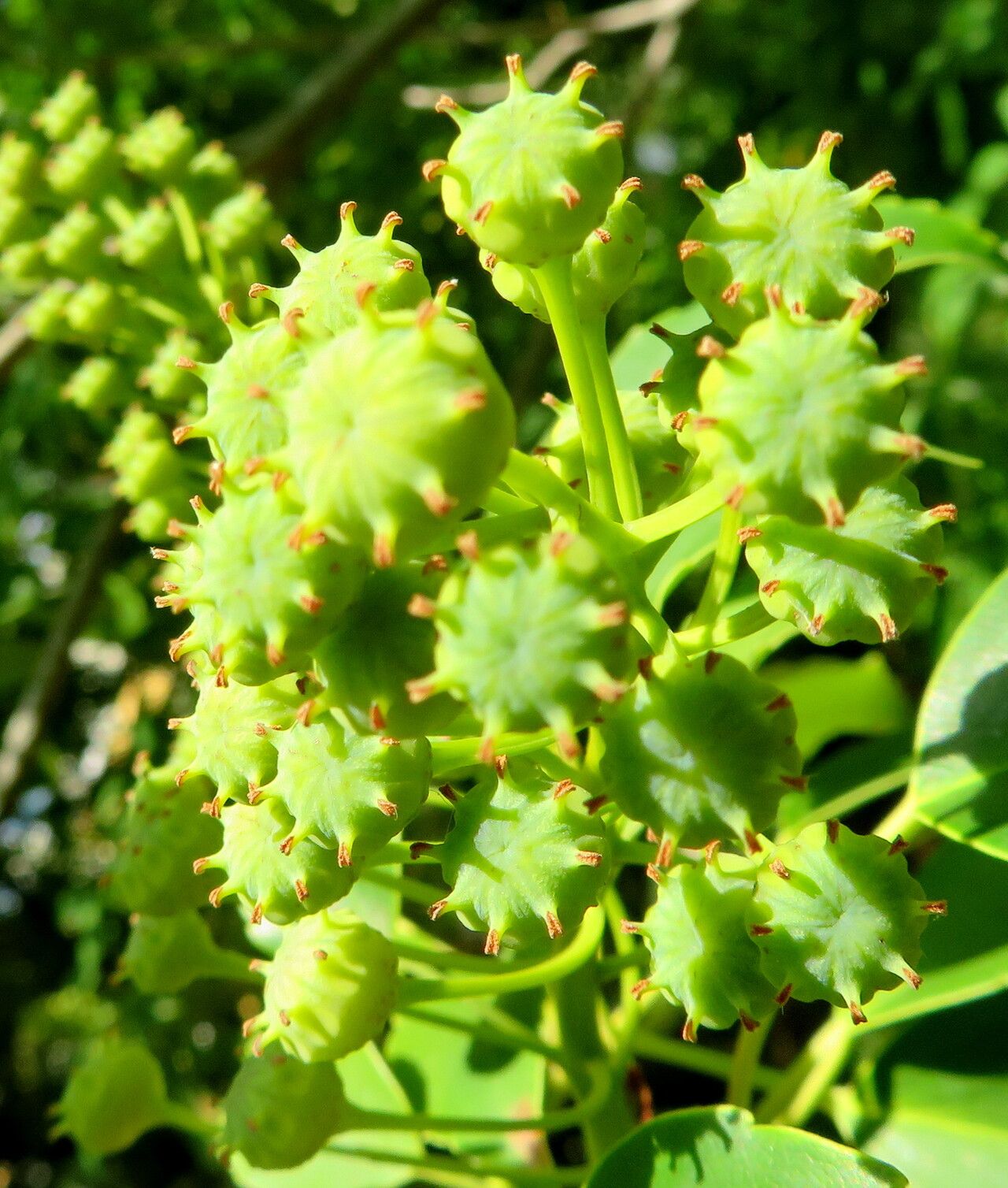
Unlocking the Secrets of the “Wheel Tree”: Propagating Trochodendron aralioides
The Trochodendron aralioides, also known as the “Wheel Tree” for its distinctive wheel-shaped leaves, is a captivating and rare tree, often considered a living fossil. Its unique evolutionary history and stunning foliage make it a prized addition to any garden.
But how can you bring a piece of this ancient lineage into your home? While the Wheel Tree isn’t the easiest plant to propagate, it’s not impossible.
The Two Main Approaches:
There are two primary methods for propagating Trochodendron aralioides:
Softwood Cuttings: This method relies on taking cuttings from the new, soft growth on the tree.
- Timing: The ideal time for softwood cuttings is late spring to early summer when the new growth is tender but has hardened slightly.
- Technique: Using sharp, sterilized pruning shears, take 4-6 inch cuttings from the tips of new growth. Remove lower leaves and dip the cut ends in rooting hormone to encourage root development. Place the cuttings in a well-draining potting mix, ensuring the lower nodes are covered. Keep the cuttings moist and protected from direct sunlight.
- Success Rate: Softwood cuttings offer the highest success rate, especially when combined with a misting system or humidity dome.
- Seed Germination: While this method is more challenging, it offers a rewarding experience if successful.
- Timing: Wheel Tree seeds should be sown in spring or fall.
- Technique: Seeds require a period of cold stratification before they will germinate. This involves storing them in a moist environment at a temperature between 33-41°F (1-5°C) for 1-3 months. After stratification, sow the seeds in a well-draining potting mixture and maintain a moisture level.
- Success Rate: The success rate of seed propagation is lower than cuttings, with germination often taking several months.
Mastering the Art of Propagation:
Here are some tips to ensure success when propagating Trochodendron aralioides:
- Proper Growing Environment: Wheel Trees prefer cool, moist conditions with dappled shade.
- Drainage: Use a well-draining potting mix to prevent root rot.
- Humidity: Maintain high humidity around cuttings and seedbeds, especially during the early stages of growth.
- Patience: Propagation can take time, so be patient and observant.
Beyond the Basics
While these methods offer a guide, propagating Trochodendron aralioides requires a keen understanding of the plant’s unique characteristics and needs. Consulting with seasoned gardeners or local nurseries specializing in rare species can also be valuable.
A Legacy in Your Garden
Propagating Trochodendron aralioides allows you to share this incredible tree with others and contribute to its long-term survival. It’s a rewarding experience that brings the beauty and history of the “Wheel Tree” into your own garden.