
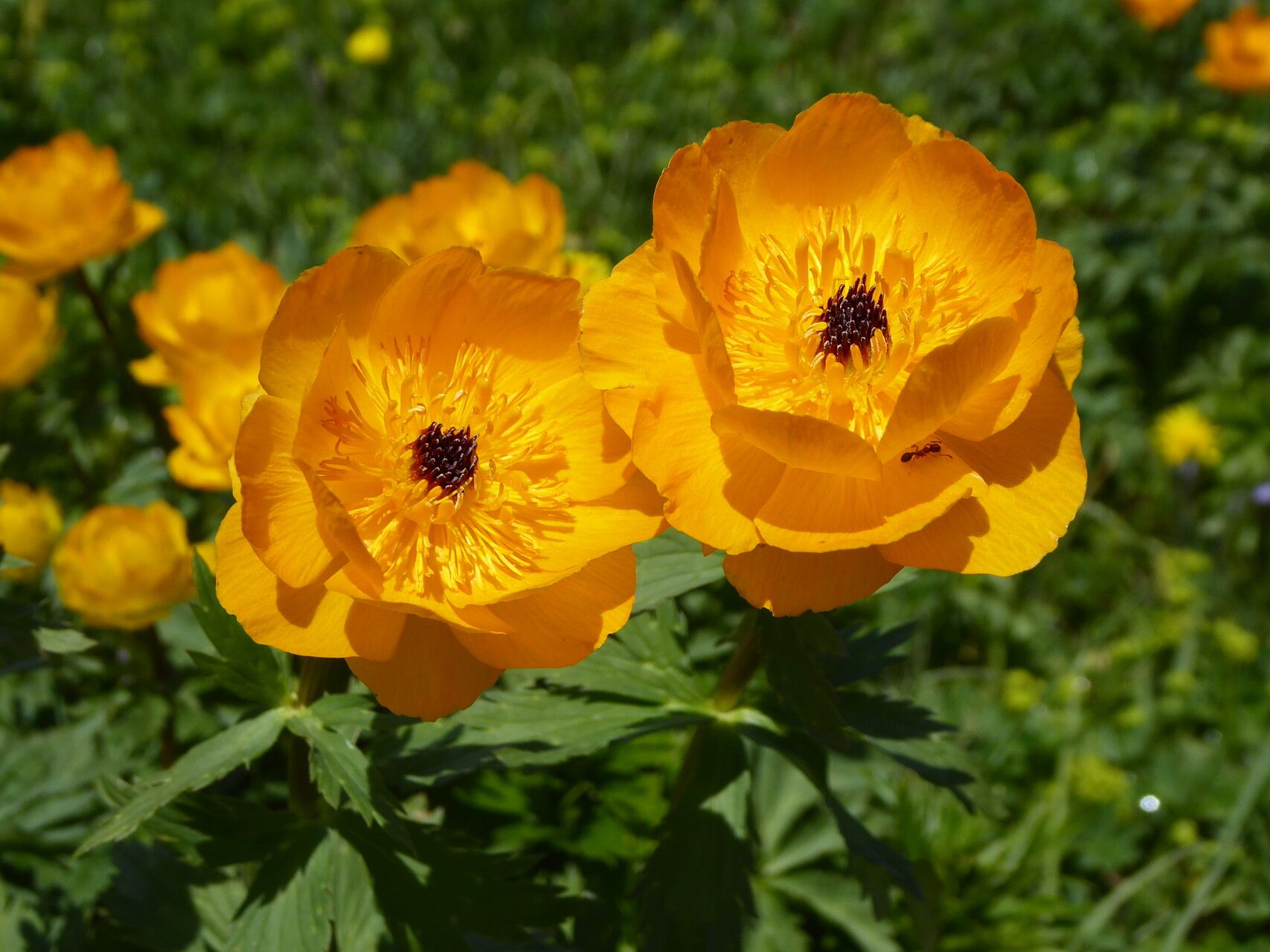
Unlocking the Secrets of Trollius altaicus: A Guide to Propagation for Gardeners
Trollius altaicus, commonly known as the Siberian Globeflower, is a captivating plant with stunning golden-yellow blooms that resemble miniature lanterns. Its vibrant presence adds a touch of whimsy and exotic charm to any garden. But if you’re looking to expand your collection or share these beauties with friends, how do you actually propagate them?
Fear not, garden enthusiasts! Unlocking the secrets of Trollius altaicus propagation is not as daunting as it might seem. This guide will equip you with the knowledge and techniques to successfully bring new globeflowers into your world.
1. The Art of Division: A Simple and Effective Technique
For Trollius altaicus, division is the most common and reliable method of propagation. Here’s your step-by-step guide:
- Timing is Key: Spring is the ideal time for division, just as the plant emerges from dormancy.
- Preparation: Carefully dig up the mature plant, ensuring you don’t damage the roots.
- Divide and Conquer: Use a sharp spade or knife to separate the plant into smaller divisions, each with a healthy set of roots and shoots. Aim for divisions with at least 3 shoots each.
- Replant and Care: Plant the divisions at the same depth they were originally growing. Provide them with ample water and a well-drained, slightly acidic soil.
2. From Seed to Sprout: Embark on a Growing Journey
While it may seem a bit more challenging, propagating Trollius altaicus from seed can be a rewarding experience:
- Timing and Preparation: Sow seeds in the fall for winter stratification, or in the spring after a cold treatment like stratification.
- Stratification: This process mimics the natural winter conditions and helps break seed dormancy. Place seeds in a moist, temperature-controlled environment (between 35-45°F) for 4-6 weeks. You can utilize a refrigerator for this purpose.
- Sowing: After stratification, sprinkle the seeds on the surface of a well-drained seed starting mix, and barely cover them with soil. Water gently.
- Patience and Persistence: Seedlings often appear in 2-4 weeks and can be transplanted into larger pots or directly into the ground.
3. Beyond the Basics: Exploring Other Techniques
While division and seed propagation are the most common methods, there are other options available as well:
- Softwood Cuttings: Taking cuttings from new growth is a more advanced technique, but it can be successful with Trollius altaicus. Secure a 3-4 inch stem with several leaf nodes, remove the bottom leaves and dip the cut end in rooting hormone. Place the cuttings in a moist, well-drained rooting medium and maintain a warm and humid environment.
Tips for Successful Propagation:
- Choosing the Right Plant: Select healthy, vigorous plants for division, and collect mature seeds for propagation.
- Watering Wisely: Ensure consistent moisture throughout the propagation process, especially during the initial stages of development.
- Providing Adequate Light: Sunlight is essential for growth, but avoid direct sunlight, especially when dealing with young seedlings and cuttings.
Propagating your own Trollius altaicus is a fulfilling journey that allows you to enjoy the beauty of this plant even further. Experiment with these methods, learn from your experiences, and watch as your garden flourishes with vibrant golden globeflowers.