
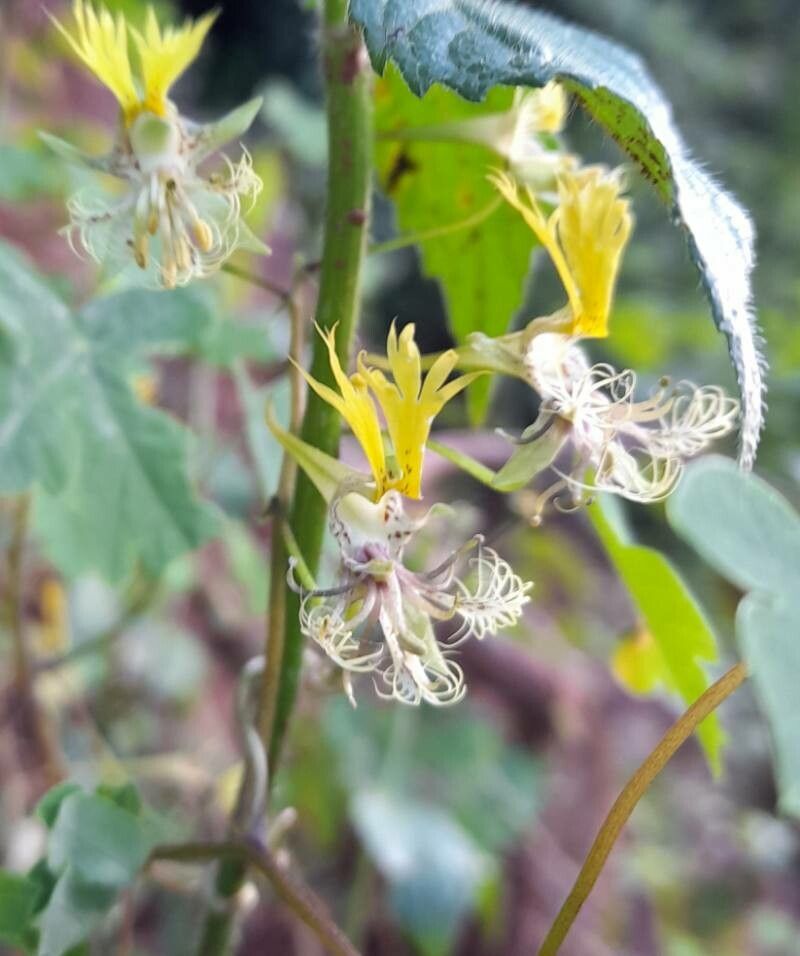
Propagating Tropaeolum capillare: A Gardener’s Guide to the Lesser-Known Nasturtium
Tropaeolum capillare, commonly known as the slender nasturtium or small-flowered nasturtium, is a captivating climbing plant cherished for its delicate, bright yellow flowers and slender, wiry stems. Unlike its more robust cousins, Tropaeolum majus, T. capillare boasts a more graceful, cascading habit, making it ideal for hanging baskets, window boxes, and covering smaller structures. Its popularity among gardeners is steadily growing, driven by its unique aesthetic and relative hardiness. However, propagation can present some intriguing challenges.
Seed Germination:
Seed germination is a viable method for propagating Tropaeolum capillare, but it can be inconsistent. The primary challenge lies in the seed’s hard coat, which can inhibit water uptake and germination.
Challenges: Slow and inconsistent germination rates are common.
Practical Tips: Scarification is crucial. This can be achieved by gently nicking the seed coat with a sharp knife or sandpaper, being careful not to damage the embryo. Sowing seeds directly outdoors after the last frost, in well-drained soil, is recommended. Alternatively, seeds can be sown indoors in seed trays, around 6-8 weeks before the last frost, maintaining consistent moisture but avoiding overwatering which can lead to fungal diseases. A warm (20-25°C) and bright environment is beneficial.
Rewards: Seed propagation offers genetic diversity, potentially leading to unique variations within the offspring. It also presents the opportunity for large-scale propagation, making it ideal for those wanting to establish several plants.
Cuttings:
Cuttings propagation for Tropaeolum capillare is possible, albeit with a lower success rate compared to seed propagation.
Challenges: Rooting cuttings can be difficult. The plant’s delicate stems are prone to wilting, and the success rate depends heavily on maintaining optimal humidity and temperature.
Practical Tips: Take semi-hardwood cuttings (6-8 cm long) from non-flowering stems in late spring or early summer. Remove lower leaves and dip the cut end in rooting hormone before planting in a well-draining, moist potting mix under a humidity dome or plastic bag to maintain high humidity. Place the cuttings in a warm, bright location but out of direct sunlight.
Rewards: Cuttings propagation can faithfully reproduce desirable traits from a parent plant, preserving specific characteristics which might be lost through seed propagation.
Division:
Division is not a practical method for propagating Tropaeolum capillare. The plant’s root system doesn’t readily lend itself to division, and attempting to divide it often results in significant damage and plant loss.
Tissue Culture:
Currently, there are no widely available and reliable protocols for tissue culture propagation of Tropaeolum capillare. While theoretically possible, it requires specialized lab equipment and techniques making it unsuitable for the home gardener.
Conclusion:
Propagating Tropaeolum capillare presents both challenges and rewards. Seed propagation offers the greatest potential for large-scale production and genetic diversity despite its inconsistencies; while cuttings propagation is viable but requires more attention to detail. Division and tissue culture are currently impractical for amateur growers. The unique satisfaction of successfully cultivating Tropaeolum capillare, whether from seed or cuttings, stems from overcoming the propagation hurdles and witnessing the elegant growth of this charming plant. Don’t be discouraged by initial setbacks; experimentation and patience are key to mastering the art of propagating this delightful climber. Remember to prioritize well-drained soil, consistent moisture (without overwatering), and bright light for optimal success.