
Propagating the Canary Creeper: A Gardener’s Guide to Tropaeolum ciliatum
Introduction:
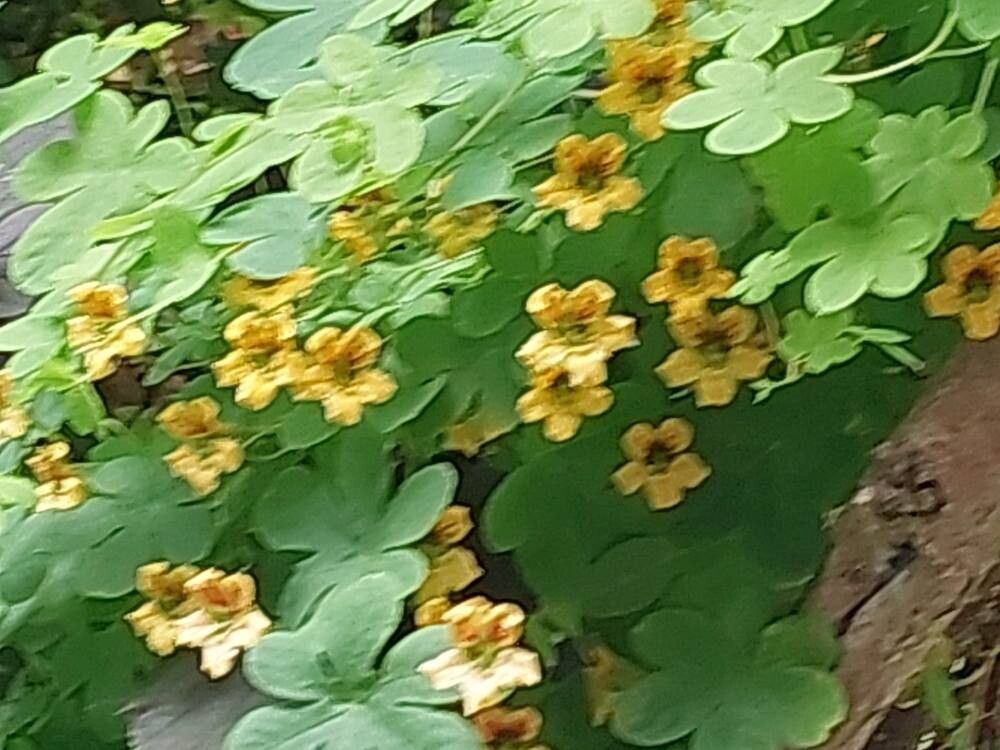
Tropaeolum ciliatum, commonly known as Canary Creeper, is a charming climbing plant prized for its vibrant yellow flowers and delicate, fern-like foliage. Its cascading habit makes it a popular choice for hanging baskets, window boxes, and as ground cover. While relatively easy to grow from established plants, propagation can present some unique challenges. This article explores various methods to successfully increase your stock of this delightful species, emphasizing the rewards that await persistent gardeners.
Seed Germination:
Currently, there are no known reliable methods for seed germination propagation of Tropaeolum ciliatum. While some seeds might germinate under ideal conditions, the success rate is extremely low and inconsistent, making it an impractical method for most gardeners.
Cuttings:
Challenges: Tropaeolum ciliatum cuttings can be challenging to root. They are prone to rotting if over-watered or kept in excessively humid conditions.
Practical Tips: The best approach is to take semi-hardwood cuttings in late summer or early autumn. Select healthy, non-flowering stems 4-6 inches long, removing the lower leaves. Dip the cut ends in rooting hormone powder before planting them in a well-draining propagation mix (e.g., a mix of perlite and peat moss). Keep the cuttings consistently moist but not soggy, ensuring good air circulation. A humidity dome or propagator can increase the chances of success.
Rewards: Cuttings offer a relatively quick way to produce genetically identical plants to the parent, preserving desirable traits. This method is ideal for propagating a particularly successful cultivar.
Division:
Challenges: Division is only feasible for established, well-rooted plants. Care must be taken to minimize damage to the roots during the process.
Practical Tips: The best time to divide Tropaeolum ciliatum is in spring or autumn. Gently dig up the plant and carefully separate it into smaller sections, ensuring each section has sufficient roots and shoots. Replant the divisions immediately in well-prepared soil and water thoroughly.
Rewards: Division allows for quick multiplication of mature plants, leading to a larger display in a shorter timeframe than starting from cuttings.
Tissue Culture:
Challenges: Tissue culture techniques for Tropaeolum ciliatum are not widely documented, indicating a significant knowledge gap and potential technical difficulties. Specialized equipment, sterile conditions, and expertise in plant tissue culture are required.
Practical Tips: If attempting tissue culture, research specific protocols for similar Tropaeolum species might provide a starting point, but significant experimentation and adaptation will likely be necessary.
Rewards: Tissue culture offers the potential for rapid large-scale propagation and disease-free plants. However, this method is only feasible for experienced plant propagators with access to the necessary resources.
Conclusion:
Propagating Tropaeolum ciliatum presents unique challenges across all methods. While seed germination is not a reliable option, cuttings and division offer feasible, albeit somewhat challenging, alternatives for gardeners. Tissue culture remains a largely unexplored possibility, requiring considerable expertise and resources. The rewards, however, are significant: the ability to cultivate and share this beautiful climber, resulting in a sense of accomplishment that makes the effort well worthwhile. Remember that patience, attention to detail, and meticulous care are key to success in propagating Canary Creeper. With persistence and the right techniques, gardeners can enjoy a bountiful display of these cheerful yellow flowers for years to come.