
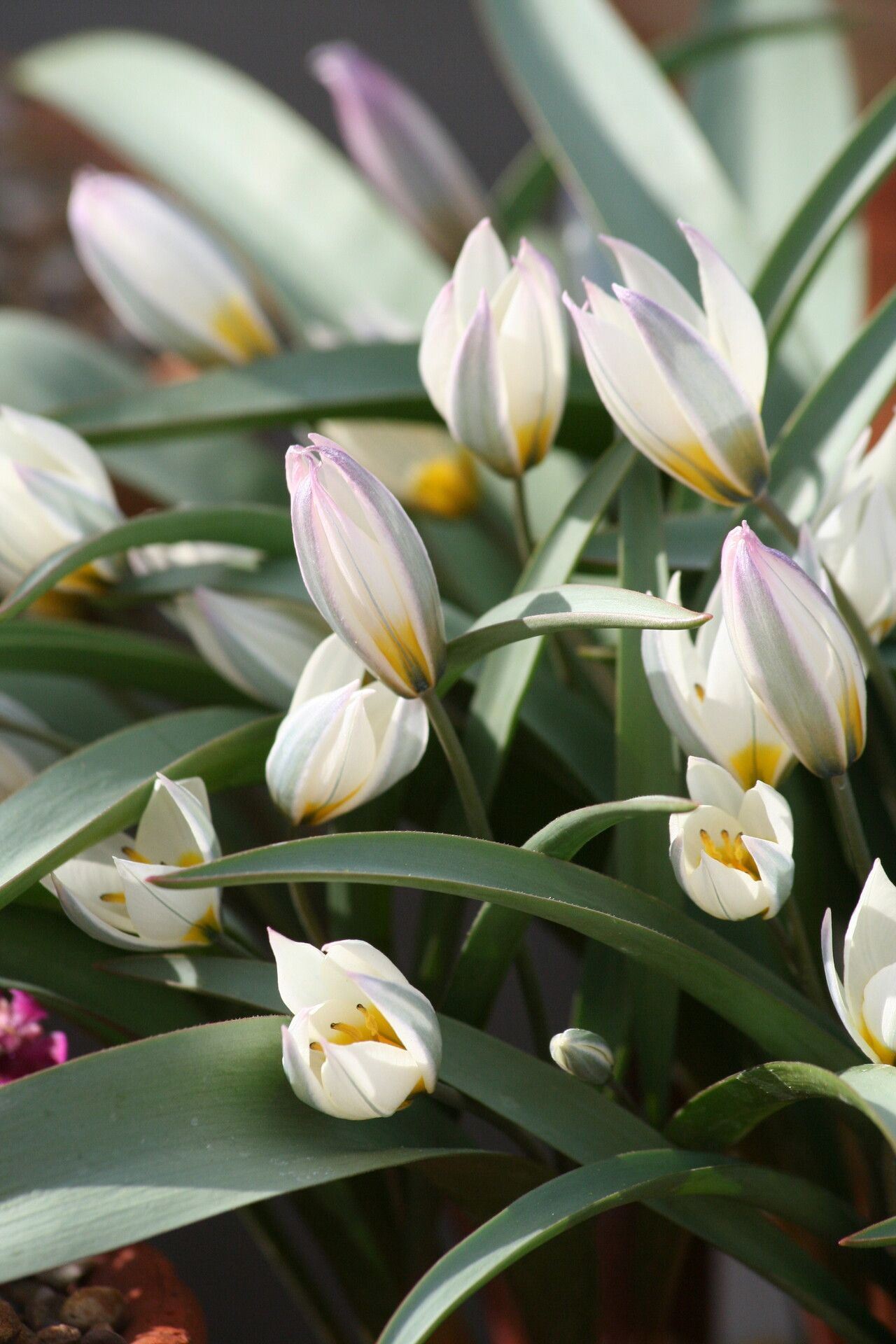
Doubling Your Delight: Propagating the Twin-Flowered Tulip (Tulipa bifloriformis)
The delicate beauty of the Tulipa bifloriformis, commonly known as the twin-flowered tulip, is a sight to behold. Unlike its single-flowered cousins, this delightful species often graces us with two or more blooms per stem, creating a charmingly abundant display. If you’re lucky enough to have these gems gracing your garden, you might be wondering how to multiply your floral bounty. Let’s explore the world of propagating Tulipa bifloriformis and learn the secrets to expanding your collection!
Two Paths to Propagation:
Like most tulips, the twin-flowered tulip can be propagated in two ways:
- Seed Propagation: A Labor of Love
While propagating from seed is entirely possible, it’s not for the impatient gardener! Here’s a glimpse into the journey:
- Collecting Seeds: Allow the flower heads to wither and dry completely on the stem. You’ll find the seed pods hidden inside.
- Sowing: Plant the seeds in a well-draining seed compost in autumn. Be patient, as germination can take several months.
- Nurturing Seedlings: Keep the seedlings in a cool, bright location and water sparingly. They will need a period of cold stratification (exposure to cold temperatures) to bloom.
- Blooming Patience: Seed-grown plants can take a few years to produce flowers.
Important Note: Keep in mind that tulips grown from seed might not be identical replicas of the parent plant due to genetic variation.
Offset Division: The Quicker Path to Blooms
For a faster and more predictable outcome, offset division is the preferred method:
- Time it Right: The best time for this process is late summer or early fall, when the foliage starts to die back.
- Gentle Excavation: Carefully dig around the mother bulb, ensuring you don’t damage the roots.
- Separation Strategies:
- Look for small offset bulbs clinging to the base of the parent bulb. Gently twist and pull these offsets away.
- Larger bulbs may have already formed their own roots and can be easily separated.
- Replanting: Choose a sunny location with well-drained soil. Plant the offsets at a depth of about 6 inches and water well.
Tips for Success:
- Well-Drained Soil is Key: Tulips detest soggy soil, which can lead to bulb rot. Ensure excellent drainage.
- Sunshine is Essential: Tulipa bifloriformis thrives in full sun to partial shade.
- Watering Wisdom: Water deeply after planting and then sparingly until you see new growth.
- Pest Patrol: Keep an eye out for slugs and snails, which are particularly fond of tulip bulbs and shoots.
Propagating Tulipa bifloriformis, though it demands a bit of patience, is incredibly rewarding. Whether you choose the adventure of seed propagation or the swift reward of offset division, you’ll be rewarded with a garden brimming with the delicate charm of these twin-flowered beauties. So, roll up your sleeves, grab your gardening gloves, and start multiplying your floral joy!