
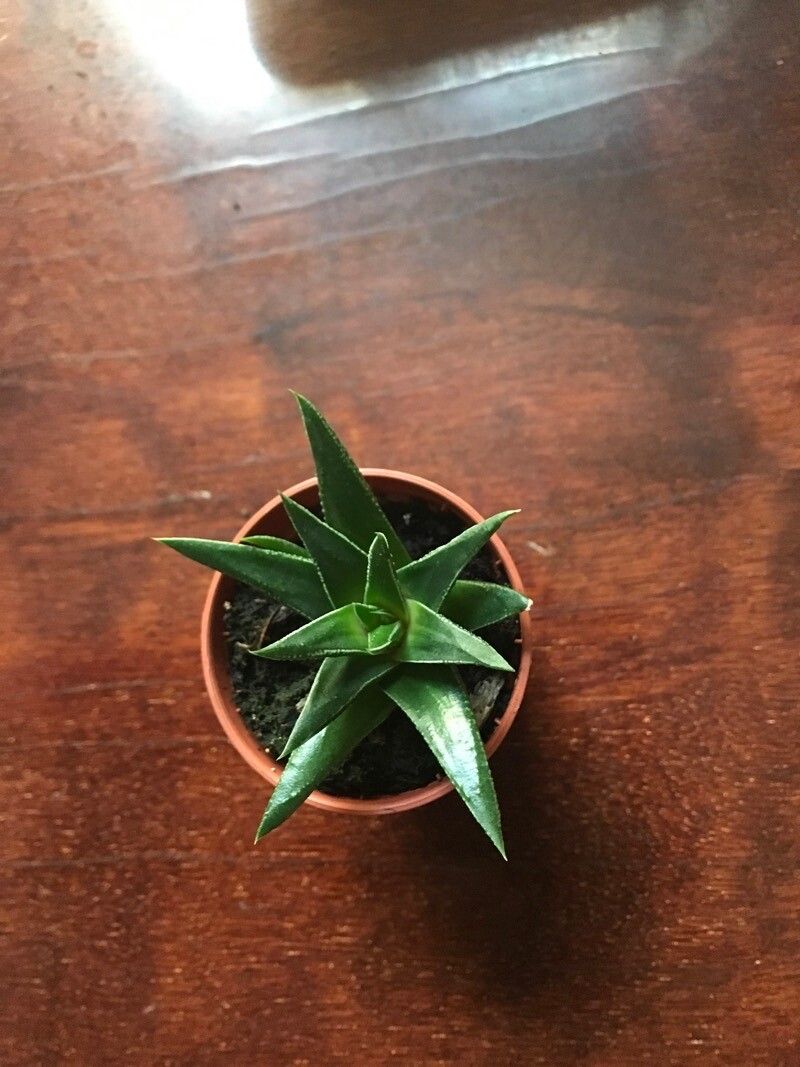
Propagating the Hardy Tulista marginata: A Gardener’s Guide
Introduction:
Tulista marginata, commonly known as the Zebra Plant or Spiral Aloe (though not a true aloe), is a striking succulent prized for its architectural form and distinctive, spiraling leaves edged with white. Its relatively slow growth and unique appearance make it a highly sought-after addition to many succulent collections. However, its propagation presents some challenges, making successful cultivation a rewarding endeavor for dedicated gardeners. This article explores different propagation methods, highlighting their viability and potential obstacles.
Seed Germination:
Currently, there are no known reliable methods for seed germination propagation of Tulista marginata. While the plant does produce seeds, germination rates are reportedly extremely low, even under optimal conditions. Further research is needed to determine if specific pre-treatment techniques, such as scarification or specific temperature stratification, might improve success. Therefore, relying on seed propagation for Tulista marginata is not a practical approach for the home gardener.
Cuttings:
Propagating Tulista marginata from cuttings is also a challenging method, with a relatively low success rate.
Challenges: Cuttings are prone to rotting before rooting, especially if planted directly into moist soil. The slow growth of the plant also means a prolonged waiting period before a viable new plant is established.
Practical Tips: Take cuttings during the growing season (spring/summer). Use sharp, sterilized tools to prevent the introduction of pathogens. Allow the cuttings to callous over for a few days before planting in well-draining, gritty succulent potting mix. Avoid overwatering; misting may be more effective than direct watering. Bottom heat can improve rooting success. Use a rooting hormone to boost chances of success.
Rewards: While challenging, successfully rooting a cutting offers the satisfaction of creating a genetically identical copy of your mother plant.
Division:
Division is generally the most reliable method for propagating Tulista marginata.
Challenges: Mature Tulista marginata plants often develop a substantial root system, and the process of carefully separating offsets (or pups) without causing significant damage can be delicate. If done improperly, both parent and offspring plants may suffer.
Practical Tips: Divide the plant during the dormant season (autumn/winter) or during the spring when new growth begins. Carefully dig up the entire plant, gently loosen the soil to expose the root system, and separate the offsets using clean, sharp tools. Ensure each offset has its own healthy root system. Replant the offsets and the parent plant in well-draining soil and provide adequate space for growth.
Rewards: Division offers a relatively quick and reliable method for increasing the number of Tulista marginata plants, preserving the genetic characteristics of the parent plant.
Tissue Culture:
Tissue culture is a highly technical method that is not typically attempted by home gardeners.
Challenges: This method requires specialized equipment, sterile laboratory conditions, and a significant amount of technical expertise.
Practical Tips: Tissue culture propagation needs to be carried out in a professional setting with appropriately trained personnel.
Rewards: Tissue culture allows for large-scale propagation of genetically identical plants, overcoming the challenges of low success rates associated with other methods.
Conclusion:
Propagating Tulista marginata presents significant challenges, with division being the most reliably successful method for the average gardener. While seed germination and cuttings are unreliable, the dedication required to master these methods, and the eventual pride of seeing a new plant thrive, makes the effort exceptionally rewarding. The unique character of this spiral succulent, along with the relative difficulty in propagating it, only heightens the satisfaction of successfully expanding your collection. Patience, meticulous care, and attentive observation are key to success; persistence will eventually pay dividends to the aspiring propagator.