
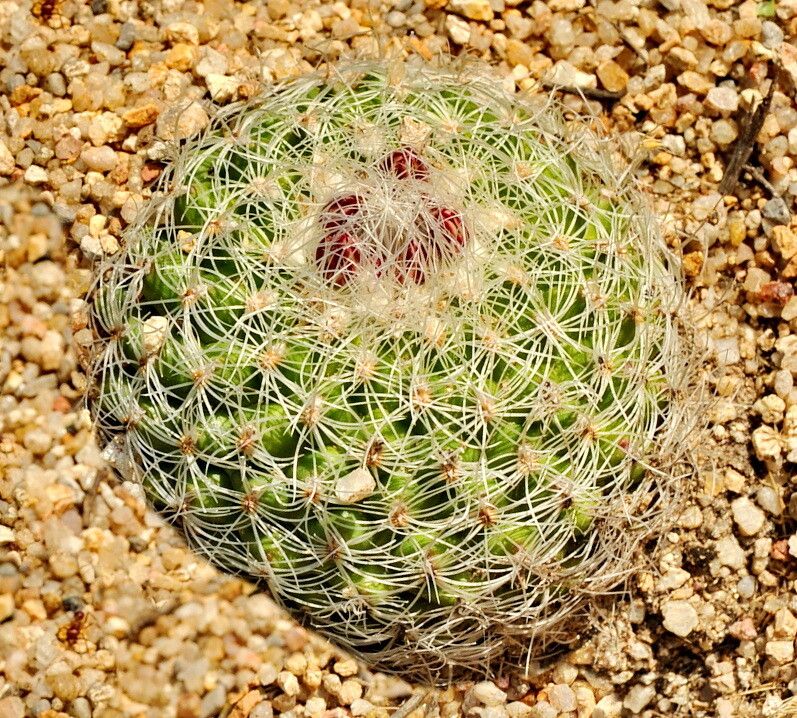
Unlocking the Secrets: How to Propagate the Exquisite Turbinicarpus saueri
The Turbinicarpus saueri, a small but mighty cactus native to Mexico, captivates enthusiasts with its intricate patterns and vibrant blooms. While admiring its beauty is a joy in itself, there’s a special satisfaction in propagating these slow-growing wonders. This comprehensive guide delves into the art of multiplying your Turbinicarpus saueri collection, providing you with the knowledge to cultivate these captivating cacti from seed or through the delicate process of grafting.
Method 1: Sowing the Seeds of Success
Propagating Turbinicarpus saueri from seed is an exciting, albeit patience-testing, endeavor. Follow these steps to increase your odds of success:
Source Fresh Seeds: Opt for reputable suppliers to ensure seed viability. Fresh seeds are key to successful germination.
Prepare a Well-Draining Mix: Create a soil mix specifically for cacti and succulents, or combine equal parts perlite, pumice, and coarse sand. Sterilize the mix by baking it in an oven at low heat to eliminate potential pathogens.
Sow with Care: In spring or early summer, sprinkle the tiny seeds over the surface of the prepared mix. Gently press them down but avoid burying them, as they require light for germination.
Humidity is Key: Place the seed tray inside a humidity dome or cover it with a clear plastic wrap to create a warm, humid environment. Maintaining consistent moisture is crucial for germination.
Patience is a Virtue: Germination can take anywhere from a few weeks to several months. Keep the soil consistently moist by misting with a spray bottle and provide bright, indirect light.
- Transplanting Triumph: Once the seedlings are large enough to handle (around 6-12 months), carefully transplant them into individual pots with well-draining soil.
Method 2: Mastering the Art of Grafting
Grafting offers a faster route to propagation and is particularly beneficial for rare or slow-growing Turbinicarpus saueri cultivars. Here’s a simplified breakdown of the process:
Choose Suitable Rootstock: Select a healthy and vigorous cactus like Pereskiopsis, Trichocereus, or Echinopsis as the rootstock.
Prepare the Rootstock: Make a clean, horizontal cut across the top of the rootstock using a sterilized sharp knife or razor blade.
Prepare the Scion: Select a healthy Turbinicarpus saueri pup or offset and carefully remove it from the mother plant. Make a clean cut at the base of the scion.
Unite Scion and Rootstock: Align the vascular cambium layers (the thin ring of green tissue) of both the scion and rootstock. Gently press the scion onto the rootstock, ensuring proper contact.
Secure the Graft: Use rubber bands or grafting clips to secure the scion in place and prevent any movement.
- Provide Optimal Conditions: Place the grafted plant in a warm, humid environment with bright, indirect light. Avoid direct sunlight until the graft has successfully taken, typically within a few weeks.
Caring for Your Propagated Treasures
Water sparingly, allowing the soil to dry out completely between waterings. Overwatering is a common pitfall and can lead to root rot.
Provide bright, indirect light. While Turbinicarpus saueri appreciates ample light, direct sunlight can scorch its delicate skin.
- Fertilize during the growing season (spring and summer) with a diluted, balanced fertilizer formulated for cacti and succulents.
Propagating Turbinicarpus saueri, while requiring patience and precision, is a rewarding experience for any plant enthusiast. Through the careful application of these techniques, you can nurture these captivating cacti, adding to the allure and wonder of your collection for years to come.