
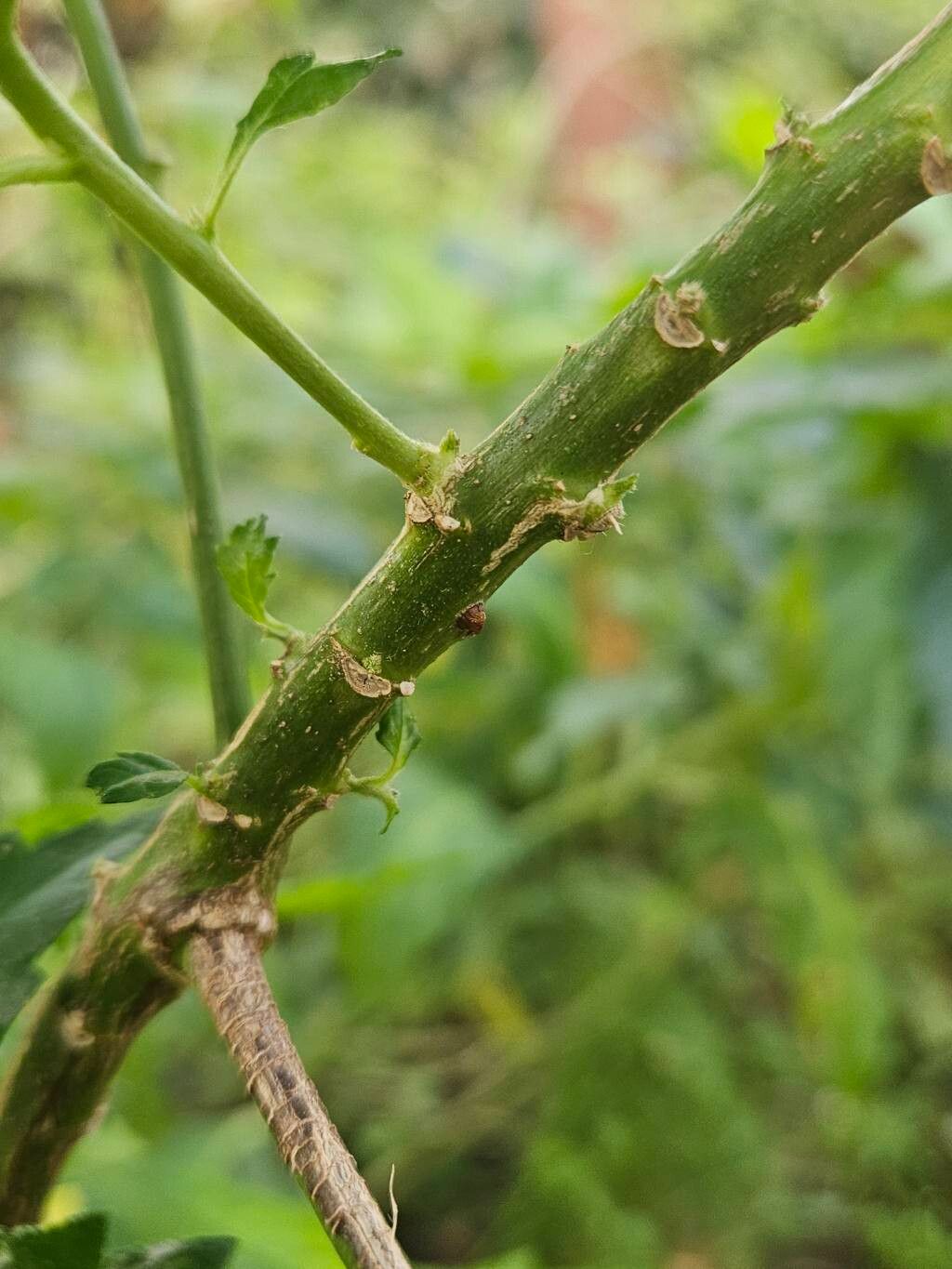
Propagating the Yellow Alder (Turnera ulmifolia): A Gardener’s Guide
Introduction:
Turnera ulmifolia, commonly known as Yellow Alder, is a captivating flowering plant prized for its vibrant yellow, cup-shaped blossoms that readily attract butterflies and other pollinators. Its relatively easy cultivation and prolific flowering make it a popular choice among gardeners, particularly those seeking a low-maintenance, yet strikingly beautiful addition to their gardens. However, its propagation can present some intriguing challenges, making successful cultivation all the more rewarding. This guide explores various methods of propagation, outlining the successes and setbacks associated with each.
Seed Germination:
Seed germination is a viable method for propagating Turnera ulmifolia, but it’s not always straightforward. Challenges include relatively low germination rates and the need for specific conditions to mimic the plant’s natural environment.
Challenges: Seed dormancy can be an issue, potentially requiring stratification (a period of cold, moist treatment) to break dormancy before germination. Seed quality also plays a crucial role; freshly harvested seeds generally yield better results.
Practical Tips: Sow seeds in a well-draining seed-starting mix, keeping the soil consistently moist but not waterlogged. A warm temperature (around 70-75°F or 21-24°C) is beneficial. Stratification can be achieved by placing seeds in a damp paper towel in a sealed bag in the refrigerator for 4-6 weeks before sowing. Thin seedlings once they develop their first true leaves to encourage healthy growth.
Rewards: Successful seed germination offers access to a diverse gene pool, resulting in a broader range of plant characteristics. This method is also cost-effective and allows for large-scale propagation for commercial or community projects.
Cuttings:
Cuttings represent another feasible propagation method for Turnera ulmifolia.
Challenges: While relatively easy, success relies on proper technique and suitable environmental conditions. Using hormone rooting powder can improve success rates but is not essential. Maintaining consistent moisture levels without overwatering is critical to prevent rotting.
Practical Tips: Take semi-hardwood cuttings (about 4-6 inches long) in late spring or summer. Remove lower leaves, dip the cut ends in rooting hormone (optional), and plant them in a well-draining potting mix. Keep the cuttings consistently moist and under a humid environment – a propagator or humidity dome can be beneficial. Once roots develop (usually within 4-6 weeks), transplant the cuttings into individual pots.
Rewards: Cuttings offer a quicker propagation method compared to seeds, preserving the desirable characteristics of the parent plant – ensuring a genetic clone. This is particularly useful if you have a particularly beautiful or productive specimen you wish to replicate.
Division:
Division is a straightforward method suitable for established plants.
Challenges: Dividing plants too early or aggressively can severely stress or even kill the plant. Careful handling and timely division are crucial for success.
Practical Tips: Divide established plants in spring or autumn. Gently dig up the plant, separating the root ball into several smaller sections, ensuring each division possesses healthy roots and sufficient stems. Replant the divisions in prepared soil ensuring proper spacing.
Rewards: Division is a rapid way to increase the number of plants, especially if you have a mature Turnera ulmifolia already established in your garden. It’s less labor-intensive than starting from seed and is a simple way for gardeners with existing plants to expand their collection.
Tissue Culture:
Tissue culture is a more advanced propagation technique for Turnera ulmifolia.
Challenges: This method requires specialized equipment, skills, and a controlled sterile environment, making it unsuitable for most home gardeners. Contamination issues can easily derail the process, requiring meticulous techniques.
Practical Tips: This method necessitates the use of aseptic techniques involving sterilized media, equipment, and a laminar flow hood. Explant selection, media composition, and hormone regulation are critical for successful propagation. This is best left to nurseries or specialist labs.
Rewards: Tissue culture allows for mass propagation of genetically identical plants in a short time. It provides a way to produce large quantities of healthy, disease-free plants, which has immense commercial applications.
Conclusion:
Propagating Turnera ulmifolia presents a range of challenges and rewards depending on the method chosen. Seed germination offers genetic diversity but can be slow, while cuttings are faster but less diverse. Division is easiest for established plants, and tissue culture represents the most efficient but technically demanding approach. The unique satisfaction derived from successfully propagating Yellow Alder stems not only from overcoming these hurdles but also realizing the vibrant beauty this plant imparts to any garden. For the aspiring propagator, starting with cuttings or division is a good starting point before venturing into the more complicated methods. Remember patience and observation are key – with persistence and care, you’ll be rewarded with a flourishing collection of these sun-loving beauties.