
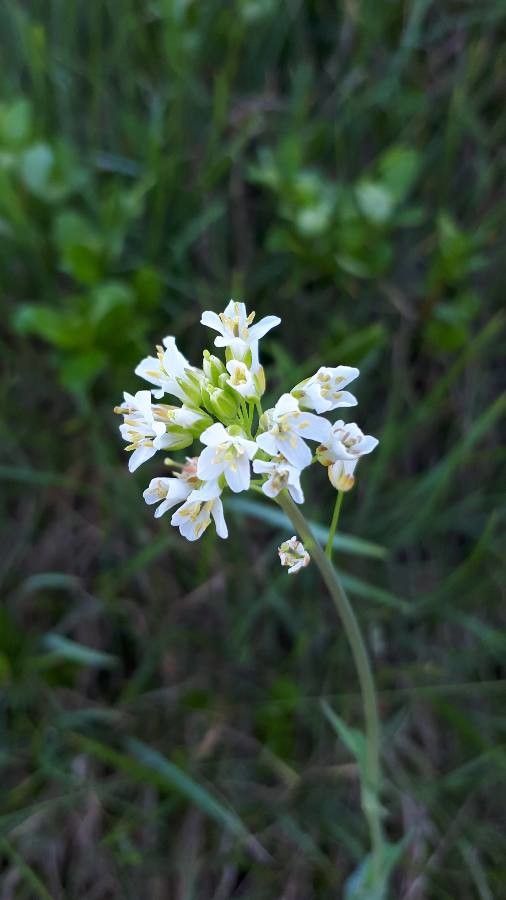
Propagating Turritis brassica: A Gardener’s Guide to the Tower Mustard
Turritis brassica, commonly known as Tower Mustard, is a striking biennial or short-lived perennial plant native to Europe and Asia. Its tall, elegant flower stalks, topped with creamy white flowers, make it a popular addition to wildflower gardens and borders. Its ability to thrive in poor soil and attract pollinators adds to its horticultural appeal. However, propagating Tower Mustard can present unique challenges, making success all the more rewarding for the dedicated gardener.
Seed Germination:
Seed germination is a viable method for propagating Turritis brassica, though it can be somewhat unpredictable. The challenges lie primarily in the seeds’ dormancy and the need for specific conditions for successful sprouting.
Challenges: Tower Mustard seeds often exhibit dormancy, meaning they require specific environmental cues before germinating. They may need a period of cold stratification – a process mimicking winter conditions – to break this dormancy.
Tips: Sow seeds outdoors in the autumn, preferably after the first frost (or simulate this with cold stratification in a refrigerator), allowing natural temperature fluctuations to trigger germination. Alternatively, seeds can be sown indoors in late winter, but they will still benefit from a cold stratification period of at least 6-8 weeks at temperatures close to 4°C (39°F). Sow seeds thinly on well-draining soil, barely covering them with compost. Maintain consistent moisture but avoid overwatering.
Rewards: Successful seed germination provides a high level of genetic diversity, creating the potential for unique variations within your plants. It also allows for large-scale propagation, making it an economical method to establish significant numbers of Tower Mustard in your garden or for other purposes.
Cuttings:
Currently, there are no known reliable methods for propagation of Turritis brassica using cuttings. The plant’s physiology doesn’t readily lend itself to this technique.
Division:
Division is also not typically a successful method for propagating Turritis brassica. While the plant may have a somewhat spreading habit, its root system is not easily divisible without significant damage to the parent plant, resulting in poor survival rates for the divided sections.
Tissue Culture:
Tissue culture techniques are a possibility for propagation, although not widely used for Turritis brassica. This method, requiring specialized equipment and sterile conditions, is predominantly employed within research or commercial settings.
Conclusion:
Propagating Turritis brassica successfully presents a set of unique challenges, with seed germination offering the most promising method. While division and cuttings are not practical, seed germination, though requiring patience and attention to detail, rewards the gardener with genetically diverse plants. The unpredictable nature of seed germination and the lack of success with other methods highlight the satisfaction of nurturing these plants from seed. The elegant beauty of the mature Tower Mustard plant, a testament to your perseverance, makes the effort undeniably worthwhile. Embrace the challenges, experiment with different techniques, and you might just find your own secret to reliably cultivating this fascinating species. Remember to carefully observe the plant’s responses; success often lies in adapting your approach based on the specific conditions you provide.