
From Seed to Stalk: How to Propagate Typha incana (and Why You Might Want To)
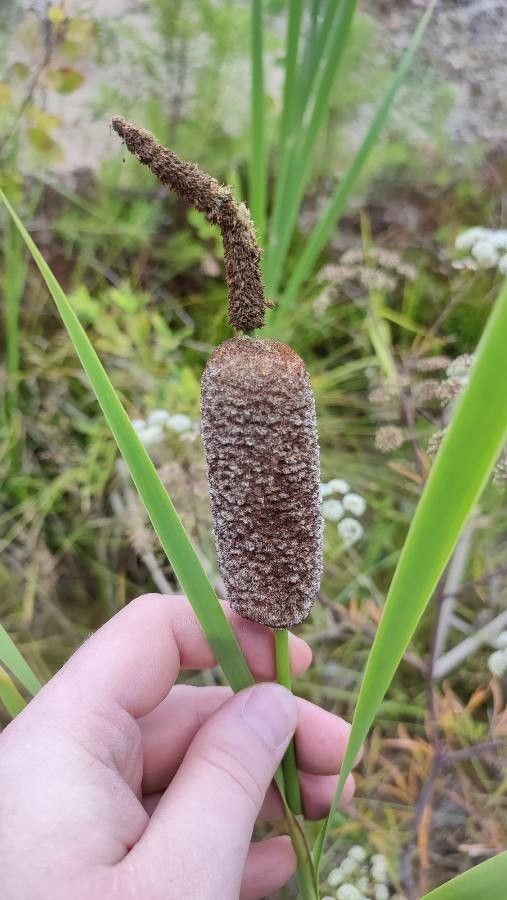
Typha incana, commonly known as Cattail, is a striking plant with its towering stalks and fluffy, cigar-shaped seed heads. It’s a familiar sight in wetlands and along water’s edge, adding a touch of rustic beauty to the landscape. But did you know that Cattail is also a versatile plant with a host of uses, from edible shoots to natural fiber? If you’re looking to add this fascinating plant to your garden, or simply want to learn more about its propagation, read on!
The Power of Propagation:
Cattail can be propagated in two main ways: through seed and through division. While both methods are effective, each has its own pros and cons:
1. Seed Propagation:
- Pros: This method allows you to grow a large number of plants easily and cheaply.
- Cons: The germination rate of Cattail seeds can be inconsistent, and it can take several months for them to sprout. Seedlings can also be susceptible to competition from weeds.
How to Sow Cattail Seeds:
- Harvesting Seeds: Gather the mature seed heads, which are brown and fluffy. Carefully remove the seeds from the heads and store them in an airtight container in a cool, dry place.
- Sowing Seeds: Sow seeds directly into moist, fertile soil in early spring or late summer. Lightly cover the seeds with soil and keep the soil consistently moist.
- Location: Choose a sunny location with moist, well-drained soil, mimicking the plant’s natural habitat.
2. Division:
- Pros: This method is quick, reliable, and produces mature plants sooner than seed propagation.
- Cons: Requires slightly more effort and can only be done with established plants.
How to Divide Cattail:
- Timing: The best time to divide Cattail is in early spring or late summer.
- Process: Dig up a mature Cattail plant and carefully separate it into several smaller divisions, ensuring each division has healthy roots and shoots. Plant the divisions immediately in a location similar to their original site.
Beyond Propagation: The Uses of Typha incana
Cattail is a truly remarkable plant with a diverse range of uses:
- Edible: The young shoots and pollen can be eaten. The shoots have a mild, asparagus-like flavor, while the pollen is rich in protein and can be used to make bread or cakes.
- Fiber: The leaves and stalks can be used to make rope, mats, baskets, and even paper.
- Wildlife Habitat: Cattail provides shelter and food for birds, amphibians, insects, and other wildlife. It also helps to filter pollutants from water.
- Erosion Control: The dense roots of Cattail help to stabilize soil and prevent erosion along water banks.
Noteworthy Considerations:
- Invasive Potential: Cattail can be invasive in some areas, so it’s important to choose a location where it won’t outcompete native plants.
- Maintenance: Cattail can spread aggressively, so it may need to be trimmed or thinned periodically.
From providing a vital habitat for wildlife to offering a sustainable source of natural resources, Typha incana is a plant worthy of appreciation. Whether you choose to propagate it from seed or by division, cultivating this remarkable species brings both beauty and utility to your landscape. So, consider venturing into the world of Cattail propagation and discover the wonders this fascinating plant has to offer.