
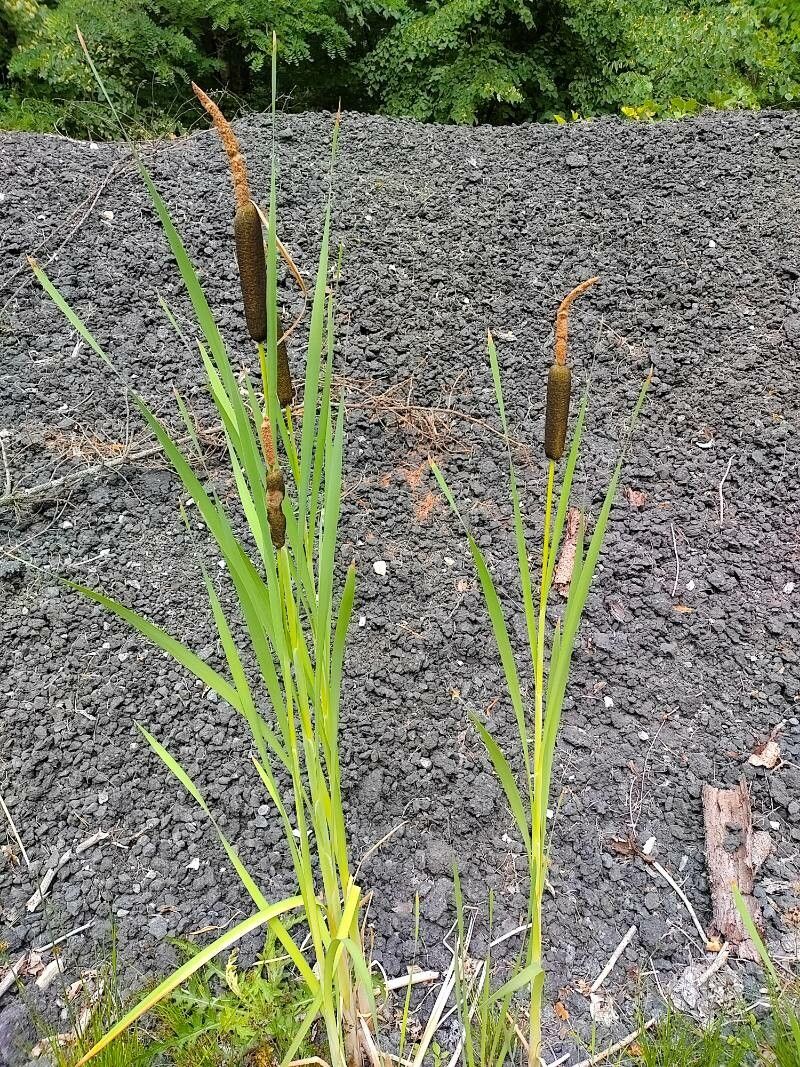
Typha Shuttleworthii: Don’t Just Buy It, Grow It!
Typha shuttleworthii, commonly known as the Southern Cattail, is a beautiful and versatile plant with a distinctive upright form that makes it a striking addition to any water garden. While you can purchase it from nurseries, the true joy lies in propagating this plant yourself. It’s a rewarding experience, and surprisingly easy!
Two Methods for Propagation Success:
There are two primary methods for propagating Typha shuttleworthii: Division and Seed Propagation. Let’s explore both.
1. Division: The Quick and Easy Method
Division is the simplest and most common method for propagating Cattails. It involves separating a portion of the plant from its parent plant, ensuring each new plant has its own root system.
Here’s the breakdown:
- Timing is Key: The best time to divide a Typha shuttleworthii plant is in the spring (March – May) or early fall (September – October).
- Preparation: Choose a healthy plant with multiple shoots. Use a sharp shovel or spade to carefully dig around the plant, severing the roots.
- Separation: Gently pull the plant apart, making sure each division has a good clump of roots.
- Replanting: Plant each division in a pot or directly into the water garden, ensuring the crown (where the leaves emerge) is at or slightly above the water level.
2. Seed Propagation: A Challenge Worth Taking On
Seed propagation involves starting Typha shuttleworthii from seeds. While it’s a bit trickier and takes more time than division, the process is achievable for the dedicated gardener.
Let’s get into the details:
- Collecting Seeds: Harvesting the seeds in late summer or early fall is the first step. The seed heads, resembling brown sausages, will eventually turn fluffy. Once this happens, gently rub the seed head to release the tiny seeds.
- Preparing the Seeds: The seeds need to be soaked in water for 24 hours before planting. This helps to break down the seed coat and promote germination.
- Direct Seeding: You can direct-sow the moistened seeds in a pot or directly into the water garden in the spring. Maintain a soil temperature around 70 degrees Fahrenheit for optimal germination.
Patience is Key: Germination can take several weeks to a few months, so don’t give up!
Tips for Success:
- Location, Location, Location: Typha shuttleworthii thrives in shallow water. Place them in direct sunlight for optimal growth.
- Soil Type: The plant prefers rich, fertile soil that can retain moisture.
- Water Levels: Cattails need consistent water levels to flourish.
- Fertilization: Minimal fertilization is typically needed but adding a balanced organic fertilizer in the spring can benefit plant growth.
Final Thoughts:
Propagating Typha shuttleworthii is a rewarding way to expand your water garden and share your love of this beautiful plant. You’ll find it quite easy to multiply your plants and create a vibrant landscape that will attract a diverse range of wildlife. Experiment with both techniques and find what works best for you. With a little care and attention, you can enjoy these majestic plants for years to come!