
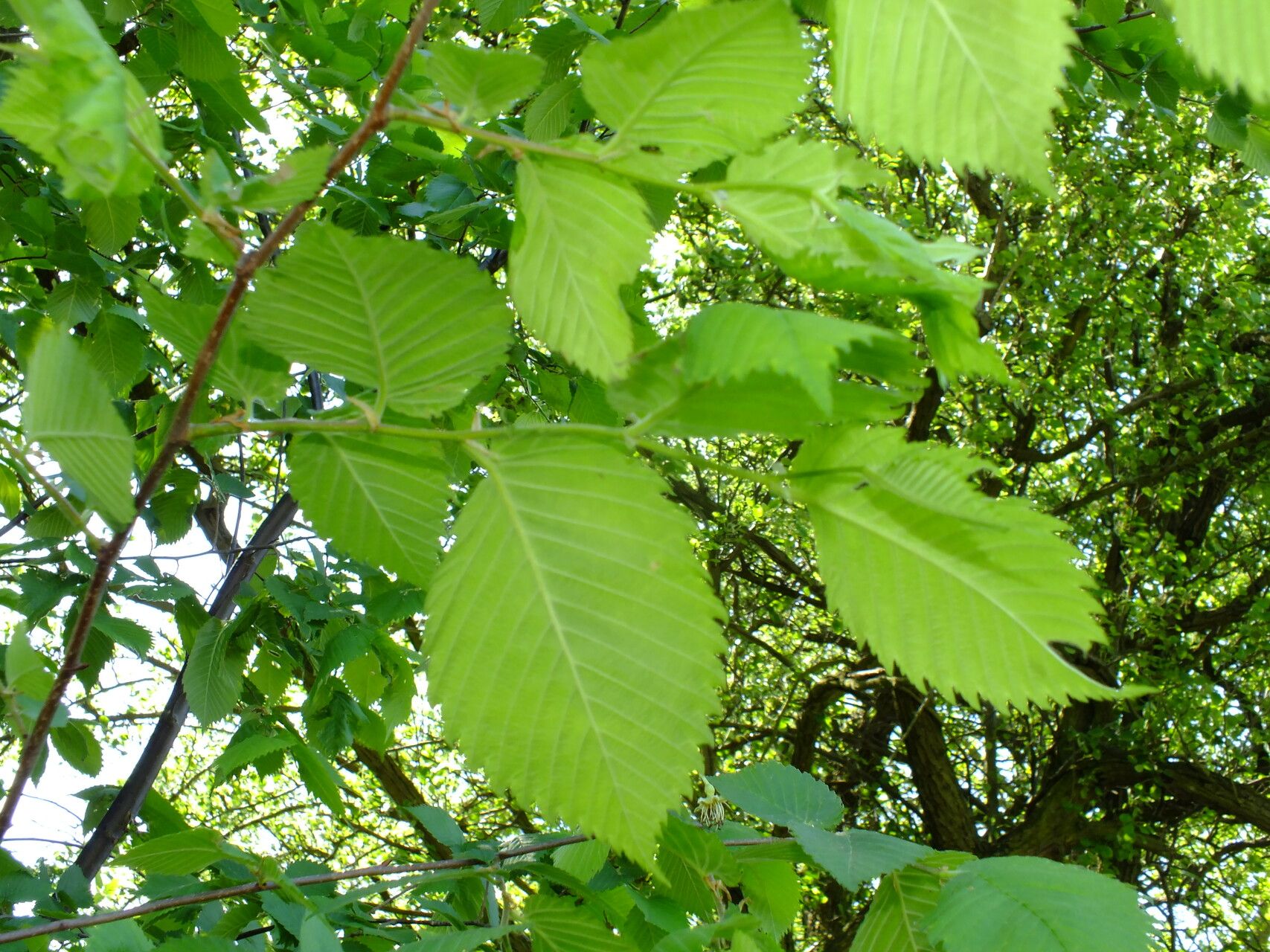
Propagating the Smooth-leaved Elm (Ulmus laevis): A Guide for Enthusiasts
Introduction:
Ulmus laevis, commonly known as the Smooth-leaved Elm or the White Elm, is a deciduous tree prized for its graceful, vase-shaped habit, and its tolerance of wet conditions. Unlike some of its elm relatives, it shows relatively good resistance to Dutch Elm Disease, making it a popular choice among gardeners seeking a resilient and aesthetically pleasing tree. Its propagation, however, presents certain challenges, requiring careful consideration of various techniques. This article will explore the viability and methods associated with propagating Ulmus laevis.
Seed Germination:
Seed germination in Ulmus laevis is possible but presents challenges. The seeds have a short viability period and require specific conditions for successful germination.
Challenges: Seeds need stratification (a period of cold, moist treatment) to break dormancy. Furthermore, even with stratification, germination rates can be variable. Seed predation by birds and rodents can also significantly impact success.
Practical Tips: Collect seeds in autumn when they naturally ripen. Mix the seeds with moist peat moss or sand and store them in a refrigerator for 8-12 weeks at temperatures close to 0°C (32°F). Sow the stratified seeds in well-drained but moist seed sowing compost in spring. Maintain consistently moist (but not waterlogged) conditions. Germination can take several weeks or even months.
Rewards: Successfully germinated seeds offer the reward of genetic diversity within your propagated population, and this represents a viable, cost-effective method for large-scale propagation should high germination rates be achieved.
Cuttings:
Challenges: Hardwood cuttings of Ulmus laevis are generally considered to be difficult to root. Success rates are often low unless specific hormone treatments and careful environmental control are employed.
Practical Tips: Take hardwood cuttings in late autumn or early winter from mature, healthy stems. Treat the cuttings with rooting hormone and plant them in a well-draining rooting medium, such as a sand and peat moss mix. Maintain high humidity and a consistent temperature (around 15-20°C or 59-68°F) using a propagator or humidity dome. Success is greatly improved if bottom heat is provided.
Rewards: Cuttings offer a relatively quick way to produce genetically identical clones of a desirable parent plant. This method is particularly useful for preserving desirable traits or large-scale propagation of a specific cultivar.
Division:
Division is not a viable propagation method for Ulmus laevis. This species develops a large, deep taproot system which makes division impractical and likely fatal to the plant.
Tissue Culture:
Challenges: Tissue culture requires specialized equipment, knowledge, and a sterile environment. It is a more complex and expensive technique than other propagation methods.
Practical Tips: This method necessitates a laboratory setting with sterile conditions and specialized growth media. Plant tissue (e.g., shoot tips or nodal segments) is cultured in vitro to induce the formation of new shoots and roots. Though effective, it’s significantly more demanding and technical than other methods.
Rewards: Tissue culture offers a highly reliable method for producing large numbers of genetically identical plants free from diseases, making it ideal for large-scale propagation of elite cultivars.
Conclusion:
Propagating Ulmus laevis presents several hurdles. While seed germination offers the allure of genetic diversity but faces challenges in germination rates and seed longevity, cuttings require proficiency and patience. Division is simply not feasible. Tissue culture offers the highest success rate for large-scale propagation but comes at a substantially higher cost in both resources and expertise. The satisfaction of successfully nurturing a young Ulmus laevis from seed, cutting, or tissue culture, however, is immense. It’s a testament to patience, attention to detail, and a deep appreciation for the delicate processes of plant life. Don’t be discouraged by initial setbacks; the rewards of successfully propagating this graceful tree are well worth the effort. Remember to always source your plant material responsibly to ensure genetic health.