
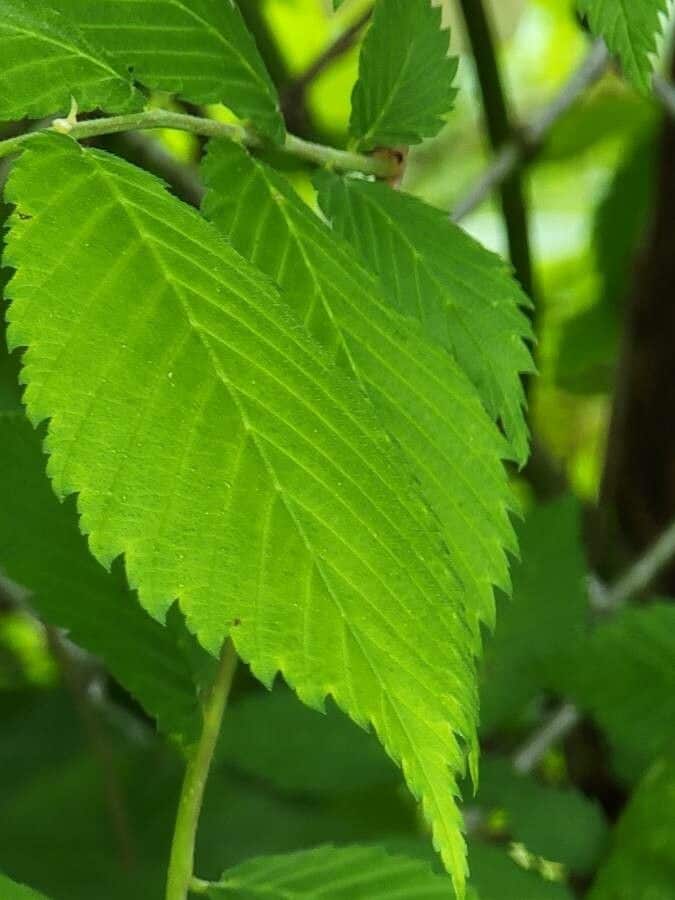
Slippery Success: How to Propagate Your Own Slippery Elm (Ulmus rubra)
The slippery elm, known scientifically as Ulmus rubra, is a majestic tree with a rich history of medicinal and practical use. Native to North America, it’s admired for its stately form, vibrant fall foliage, and of course, its mucilaginous inner bark with soothing properties. If you’re looking to add this valuable tree to your landscape or simply want to try your hand at propagation, you’re in the right place! While slippery elm can be a bit more challenging than other trees to propagate, don’t fret – success is achievable with a bit of patience and the right techniques.
Method 1: Starting from Seed (The Natural Way)
Propagating slippery elm from seed is an adventure in itself, offering a front-row seat to the tree’s life cycle. Here’s how:
- Seed Collection: The key is timing. Look for the small, flat, winged seeds called samaras that mature in late spring. Collect them when they turn light brown and detach easily from the branches.
- Sowing: You have two options:
- Direct Sowing: This method mimics nature’s way. Plant seeds immediately after collection, about 1/4 inch deep in well-drained soil. Keep the soil consistently moist.
- Cold Stratification (For Later Sowing): If you can’t sow immediately, mimic winter conditions by storing the seeds in a sealed bag with moist sand in the refrigerator for 60-90 days before planting.
- Germination: With proper moisture and warmth, expect germination within a few weeks.
- Care: Keep the seedlings well-watered and protect them from harsh sun until they’re strong enough to be transplanted.
Advantages:
- Most cost-effective method
- Rewarding experience witnessing the tree’s growth journey
Challenges:
- Seed viability can vary year to year.
- Young seedlings can be vulnerable to pests and disease.
Method 2: Taking Cuttings (A Faster Approach)
If you’re looking for a quicker method and want to ensure the new tree possesses the same characteristics as the parent tree, cuttings are the way to go.
- Timing: Take semi-hardwood cuttings, ideally in late summer when the new growth has started to mature but is still somewhat flexible.
- Cuttings: Select healthy branches and make a clean cut about 6-8 inches long, just below a leaf node. Remove the leaves from the lower half of the cutting.
- Rooting Hormone (Optional): While not mandatory, dipping the cut end in rooting hormone can increase your chances of success.
- Planting: Plant the cuttings in a well-draining potting mix, ensuring at least two nodes are submerged.
- Humidity is Key: Cover the pot with a plastic bag or humidity dome to create a greenhouse-like environment.
- Rooting: With patience, roots should develop within 6-8 weeks. Once you see new growth, it’s a sign the cutting has rooted.
Advantages:
- Faster than starting from seed.
- You’ll get a genetically identical tree to the parent tree.
Challenges:
- Requires more precise timing and technique.
- Not all cuttings will root successfully.
A Final Note of Encouragement
Propagating your own slippery elm can be a fulfilling endeavor, connecting you to nature’s ingenious processes and rewarding you with a valuable tree for generations to come. Whether you choose to start from seed or take cuttings, follow these steps carefully and remember, patience and persistence are key to success!