
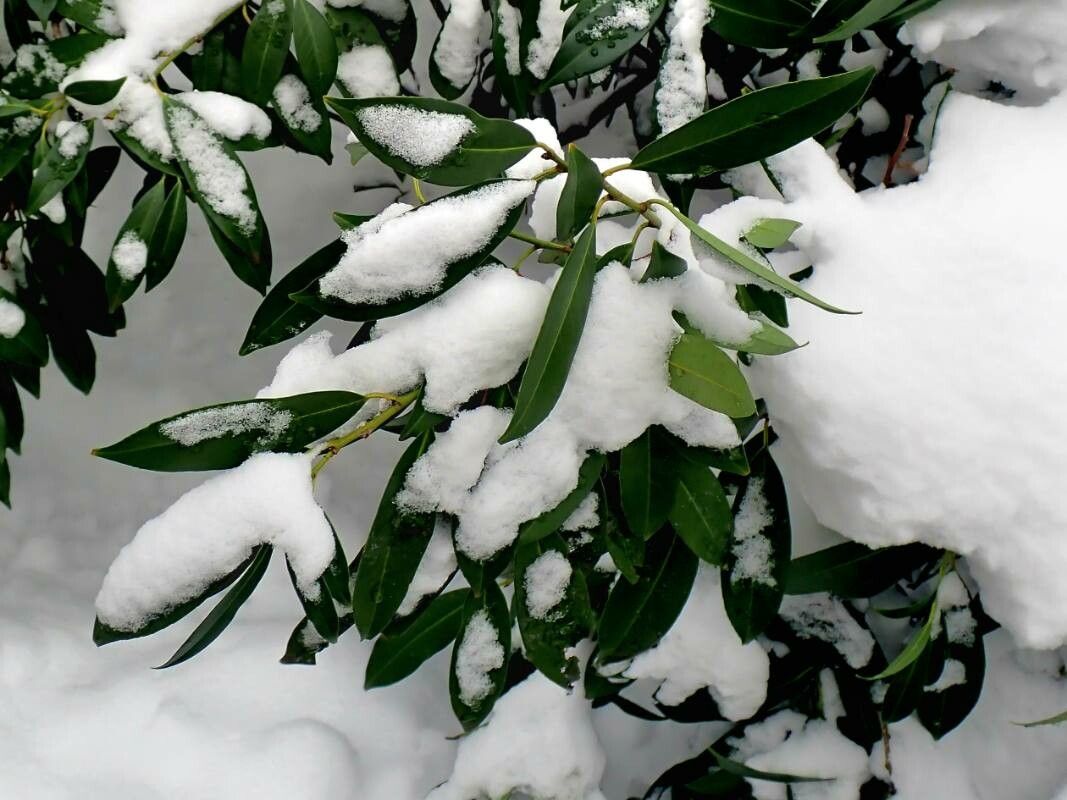
From Seedling to Sentinel: Propagating the Majestic California Bay Laurel
The California Bay Laurel, also known as Umbellularia californica, isn’t just a beautiful tree – it’s a symbol of resilience, longevity, and the unique beauty of the Golden State. These evergreen giants offer shade, fragrance, and even culinary delights, making them a coveted addition to any landscape. But how do you bring one of these magnificent trees into your own garden? The answer lies in the art of propagation.
While California Bay Laurel seeds are readily available, the journey from seed to tree can be a long and challenging one. These trees prefer cool, moist conditions, which can be difficult to replicate in the typical home environment. However, there are some strategies to increase your success rate:
1. Seeds of Hope: The Long Road to Germination
- Harvesting: Collect mature, dark brown fruit from the tree in the fall. Separate the seeds from the fleshy pulp and thoroughly wash them.
- Scarification: The hard outer coat of the seed needs to be weakened for germination. This can be achieved by rubbing the seed against sandpaper or soaking it in hot water for a few minutes (around 180°F).
- Stratification: Exposure to cold is essential for the seed’s development. After scarification, store the seeds in damp vermiculite or peat moss in a refrigerator for 3 to 6 months.
- Sowing: In the spring, sow the stratified seeds in a well-draining seed starting mix, keeping the soil consistently moist. Germination can take up to a year.
- Patience: Be prepared, as germination from seed can be slow and unpredictable.
2. The Faster Route: Cutting Edge Techniques
For those seeking quicker results, starting from cuttings offers a faster way to propagate Umbellularia californica. Here’s how:
- Timing is Everything: Take semi-hardwood cuttings, the current season’s growth, from late summer to early fall.
- Choose Your Weapon: Use sharp, clean pruning shears to cut sections of wood 6 to 8 inches long, including a leaf node at the top.
- Prepare for Growth: Remove the lower leaves and dip the cut end in rooting hormone powder.
- Nurture and Protect: Insert the cuttings into a potting mixture consisting of equal parts peat moss, perlite, and vermiculite. Keep the cuttings in a cool, humid environment with indirect light.
- Patience, Again: Rooting can take several months. Keep the soil consistently moist and be sure to check for signs of new growth.
3. Beyond Seeds and Cuttings: The Power of Layering
Layering offers another approach to propagating your California Bay Laurel. This technique encourages the development of roots while still attached to the parent plant.
- Choose Your Branch: Select a low-lying branch that is flexible enough to be bent down and buried.
- Score and Cover: Make a small cut along the branch’s underside to encourage root growth. Cover the cut area with moist soil and secure the branch in place.
- Patiently Watch: Over the months, roots will emerge. Once new growth appears above the soil, the layered section can be separated from the parent plant.
Considerations for Success
- Climate and Location: While California Bay Laurels thrive in mild climates, ensure your chosen site receives adequate sunlight and drainage.
- Water Wisely: These trees prefer moist soil but are susceptible to root rot, so overwatering should be avoided.
- Pest and Disease: Bay Laurels are relatively pest-free, but be aware of potential problems like oak root fungus and scale insects.
From Your Garden to the Future:
The experience of nurturing a Umbellularia californica from seedling to towering tree is rewarding and enriching. Knowing the art of propagation allows you to extend the beauty and longevity of this remarkable species, sharing its fragrance and strength with future generations to enjoy. So, take the time to learn, experiment, and embark on your own unique Californian Bay Laurel journey.