
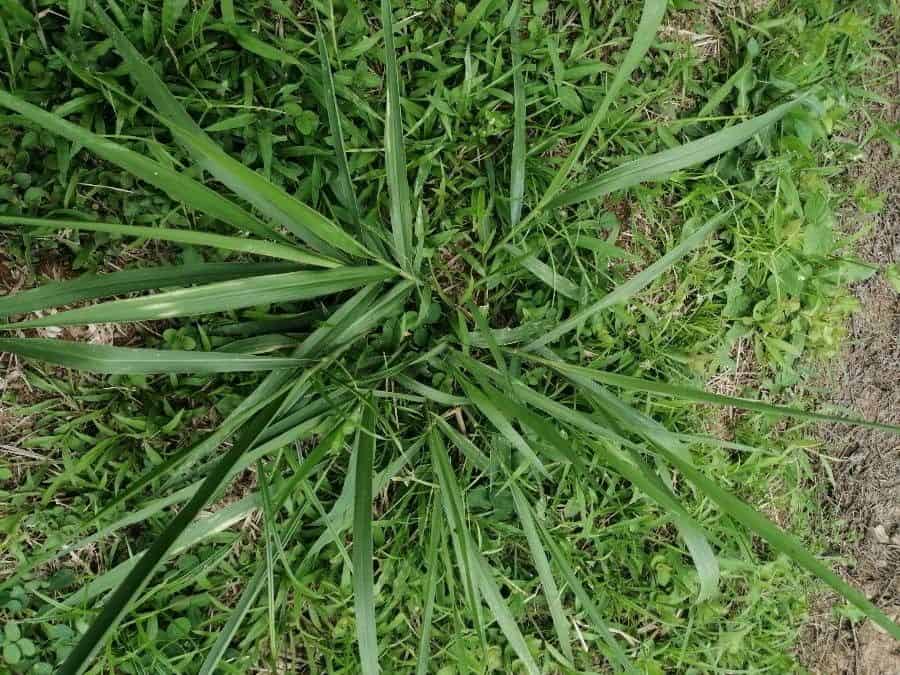
Growing Green Gold: Propagating Urochloa Brizantha for Lush Pastures
Urochloa brizantha, also known as palisade grass, is a tropical grass prized for its hardiness, rapid growth, and excellent forage quality. Whether you’re a seasoned farmer or a hobbyist looking to establish a nutritious pasture, understanding how to propagate Urochloa brizantha effectively is key to unlocking its full potential.
Two main methods dominate the propagation scene for this robust grass:
Seed Propagation: This method is popular for its cost-effectiveness and suitability for establishing large pastures.
- Seed Selection: Source high-quality seeds from reputable suppliers. Look for seeds with good germination rates and free from pests and diseases.
- Soil Preparation: Palisade grass thrives in well-drained soil with a pH ranging from 5.5 to 7.5. Prepare the land by plowing or tilling to loosen the soil and remove any weeds.
- Sowing: The ideal time to sow depends on your region’s climate. Aim for a period with warm temperatures and consistent rainfall. Broadcast the seeds evenly across the prepared soil at a recommended rate provided on the seed packaging.
- Covering: Lightly rake the soil to cover the seeds, ensuring they are not buried too deep. A depth of 1-2 cm is sufficient.
- Watering: Consistent moisture is crucial for germination. Irrigate lightly and regularly, especially during dry spells, until the seedlings are well-established.
- Fertilization: While Palisade grass is relatively tolerant of low-fertility soils, applying a balanced fertilizer after germination can promote vigorous growth.
Vegetative Propagation: This method involves using plant parts to establish new plants and offers advantages in preserving desirable traits.
- Division: Mature Urochloa brizantha clumps can be divided into smaller sections, each containing roots and shoots. This is best done during the growing season when the soil is moist. Carefully dig around the clump, lift it, and gently separate it into smaller sections. Transplant these divisions immediately into prepared planting holes.
- Stem Cuttings: Select healthy, disease-free stems from established plants. Cut sections of the stem, each with several nodes, ensuring the cut is made just below a node. Remove the lower leaves and place the cuttings in a moist rooting medium like a mixture of sand and compost. Maintain humidity by covering the cuttings with plastic or using a propagation dome. Roots should develop in a few weeks, and the new plants can be transplanted once a robust root system has formed.
Key Considerations for Success:
- Weed Control: Urochloa brizantha seedlings are vulnerable to competition from weeds. Implement effective weed control measures, such as mulching, hand weeding, or using appropriate herbicides, to give your grass a competitive edge.
- Grazing Management: Once established, manage grazing pressure to allow the grass to recover and prevent overgrazing. Implementing rotational grazing practices can promote healthy regrowth and extend the lifespan of your pasture.
- Pest and Disease Management: While generally resistant, Urochloa brizantha can be susceptible to certain pests and diseases. Regularly monitor your pasture for any signs of infestation or disease and implement appropriate control measures if necessary.
Propagating Urochloa brizantha, whether from seed or vegetatively, doesn’t have to be a daunting task. By understanding the basic principles and following these guidelines, you can successfully establish a thriving pasture that provides excellent forage for your livestock or beautifies your land with its vibrant green foliage.