
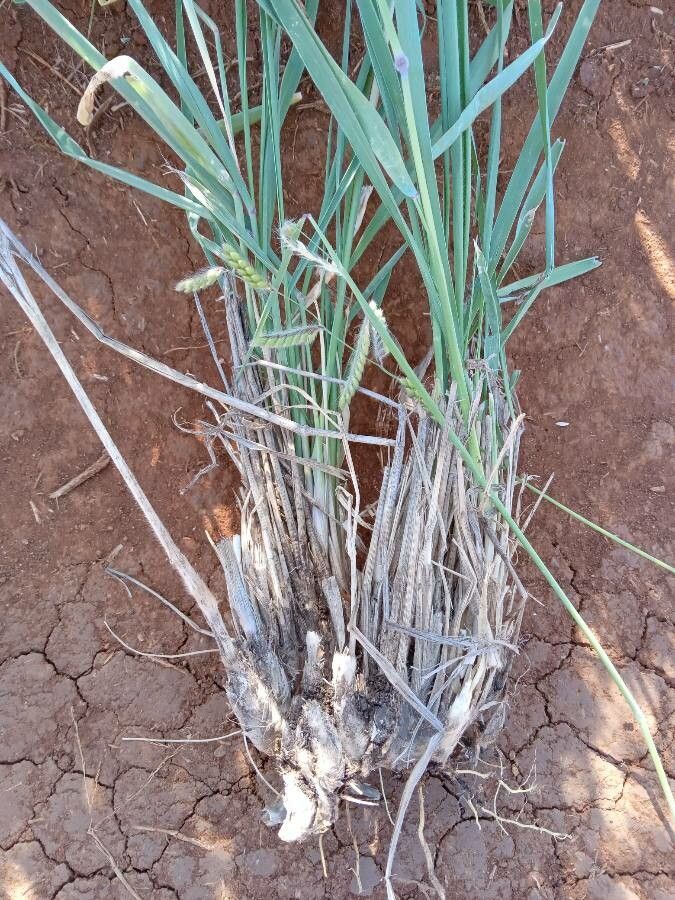
Seeding Success: The Ins and Outs of Propagating Weeping Lovegrass (Urochloa Lachnantha)
Weeping lovegrass (Urochloa lachnantha), with its graceful, cascading foliage, is gaining popularity as a low-maintenance and drought-tolerant ornamental grass. Whether you’re a seasoned gardener or just starting out, learning to propagate this beauty opens doors for expanding your garden or sharing its charm with others.
Luckily, propagating Urochloa lachnantha is a relatively straightforward process, primarily achieved through two methods:
1. Seed Propagation:
This is the most common and easiest way to propagate weeping lovegrass. Here’s how:
- Seed Collection: Wait for the fluffy, cream-colored seed heads to turn golden brown in late summer or early fall. Carefully snip them off and store them in a paper bag in a cool, dry place until you’re ready to sow.
- Sowing Time: You can sow the seeds directly outdoors in fall or start them indoors 6-8 weeks before the last expected frost.
- Soil Preparation: Weeping lovegrass prefers well-drained soil. If starting indoors, use a seed-starting mix. For direct sowing, loosen the existing soil and remove any weeds.
- Sowing Depth: Scatter the seeds thinly over the soil surface and lightly press them down. No need to bury them deep, as light aids germination.
- Watering: Keep the soil consistently moist but not waterlogged. Seedlings should emerge within 14-21 days.
- Thinning: Once seedlings have developed a few sets of leaves, thin them out, leaving the strongest ones at least 12 inches apart. This allows for ample airflow and prevents overcrowding.
2. Division:
For established clumps of weeping lovegrass, division is an effective propagation method:
- Best Time: Early spring or fall is ideal, as the cooler temperatures reduce stress on the plant.
- Process: Using a sharp spade or garden fork, carefully dig around the clump you want to divide. Lift the entire clump out of the ground and shake off excess soil.
- Dividing the Clump: Depending on the size, you can either tease apart smaller sections by hand or use the spade to cut through the root ball, ensuring each division has a good amount of roots and shoots.
- Replanting: Choose a sunny spot with well-drained soil. Dig holes slightly larger than the root ball of each division and plant them at the same depth they were growing before. Water thoroughly.
Tips for Success:
- Full Sun is Key: Weeping lovegrass thrives in full sun, meaning at least 6 hours of direct sunlight daily.
- Well-Drained Soil: While tolerant of various soil types, good drainage is essential to prevent root rot.
- Water Wisely: Once established, weeping lovegrass is drought tolerant. Water deeply but infrequently, allowing the soil to dry out slightly between waterings.
- Fertilizer Not Necessary: This grass is a light feeder and generally doesn’t require regular fertilization.
By following these steps and advice, you’ll be well on your way to propagating thriving weeping lovegrass. Soon, your garden will be graced with the elegant movement and texture of this lovely ornamental grass!