
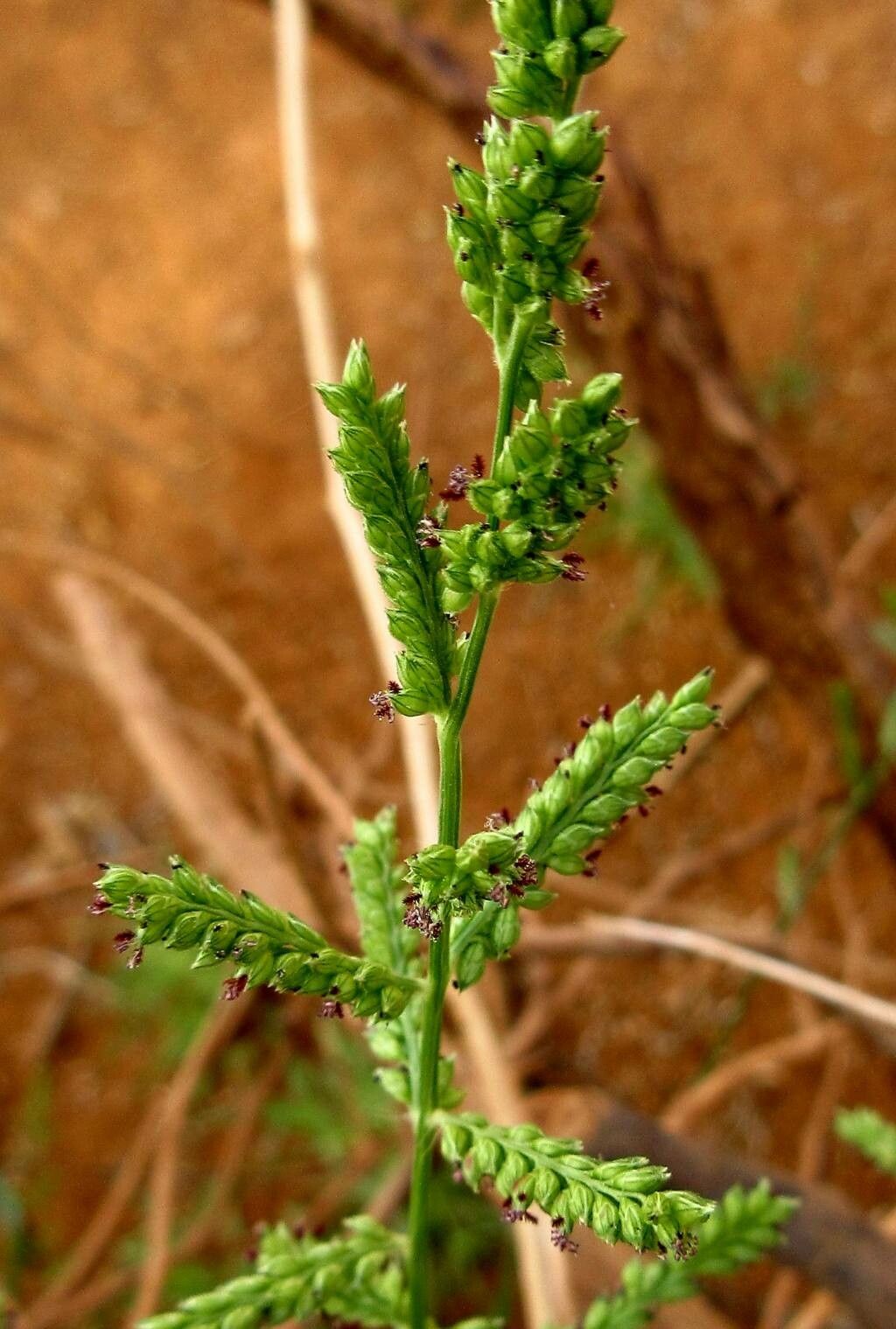
Taming the Giant: Propagating Urochloa lata for a Lush Pasture
Urochloa lata, more commonly known as broadleaf signalgrass, is a tropical grass prized for its rapid growth and impressive biomass production. While it might not be a household name like roses or tomatoes, it plays a crucial role in livestock farming across warmer regions. Whether you’re a seasoned rancher looking to expand your pastures or a curious gardener keen on understanding this robust plant, learning how to propagate Urochloa lata is a worthwhile endeavor.
Why Propagate Urochloa lata?
Before we delve into the how-to, let’s understand the “why.” Unlike some plants that spread easily through self-seeding, Urochloa lata benefits from a little help to ensure successful and efficient establishment. Propagation allows you to:
- Control the spread and density: This ensures optimal grazing conditions and prevents overcrowding.
- Multiply desirable traits: You can select and propagate plants with superior characteristics, like disease resistance or higher nutritional value.
- Revitalize aging pastures: Introducing new, healthy plants can boost overall productivity.
Two Paths to Propagation: Seeds vs. Vegetative Methods
Urochloa lata offers two primary paths for propagation:
1. Seed Propagation:
The most common method, seed propagation, is relatively straightforward:
- Sourcing Seeds: Look for reputable suppliers specializing in pasture seeds. Ensure the variety is suitable for your climate and soil type.
- Soil Preparation: Urochloa lata thrives in well-drained soil. Prepare the area by removing weeds, tilling to a depth of 6-8 inches, and incorporating organic matter.
- Sowing: Broadcast seeds evenly over the prepared area at a rate specified on the seed package. Lightly rake the soil to cover the seeds.
- Water and Maintenance: Keep the soil consistently moist until seedlings emerge. Once established, Urochloa lata is relatively drought-tolerant.
2. Vegetative Propagation:
While less common, vegetative propagation offers specific advantages:
- Preserves Desired Traits: Ideal for multiplying plants with exceptional characteristics that might not be passed down reliably through seeds.
- Faster Establishment: Vegetative methods often lead to quicker ground cover compared to seeds.
Two popular vegetative methods include:
- Division: Carefully dig up a healthy clump of Urochloa lata. Divide the clump into smaller sections, ensuring each has a portion of roots and shoots. Replant these divisions at the desired spacing.
- Stem Cuttings: Select healthy stems and cut sections approximately 6-8 inches long. Remove the lower leaves and place cuttings in moist potting mix or directly into the prepared garden bed. Keep the soil moist until roots develop.
Tips for Success:
- Timing is Key: Early spring or late summer after the last frost are ideal times for both seed and vegetative propagation.
- Water Wisely: Avoid overwatering, which can lead to root rot. Water deeply but infrequently, allowing the soil to dry slightly between waterings.
- Manage Weeds: Urochloa lata seedlings can be outcompeted by weeds. Employ mulching or hand-weeding to provide a competitive advantage.
Propagating Urochloa lata is a rewarding endeavor, offering a sustainable way to establish and maintain productive pastures. By understanding the different methods and implementing the tips outlined above, you can contribute to the health and growth of this vital forage grass.