
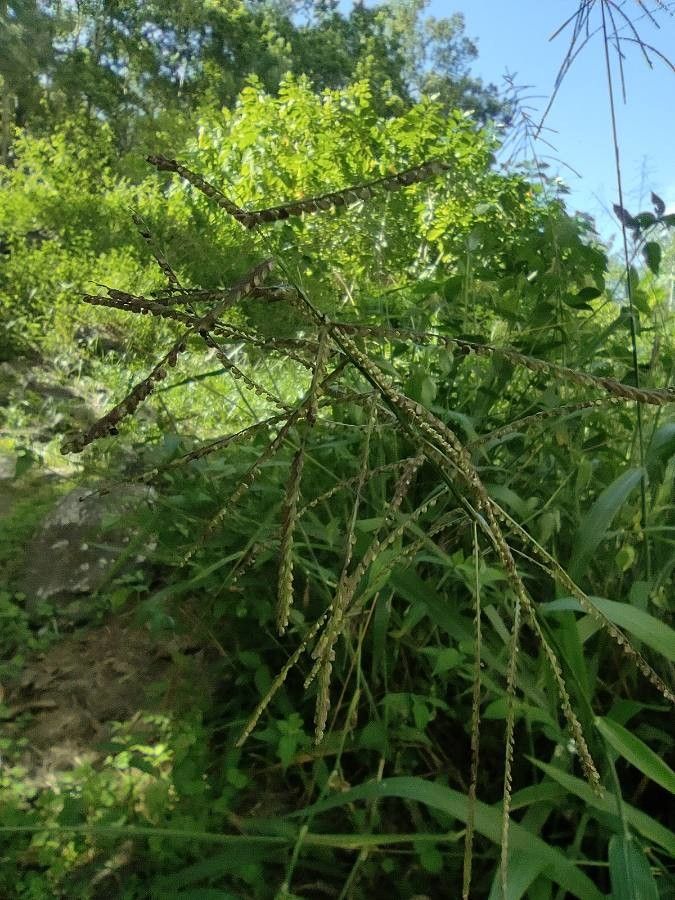
From Seed to Success: A Guide to Propagating Urochloa mutica (Signalgrass)
This isn’t your average houseplant, but for those in the know, Urochloa mutica (also known as Signalgrass) boasts a unique charm. Whether you’re looking to start a lush lawn, cultivate a thriving animal pasture, or simply appreciate the beauty of this resilient grass, propagation is key. This guide delves into the world of Urochloa propagation, offering insights for both beginner and seasoned green thumbs.
Understanding Urochloa mutica:
Signalgrass is a fast-growing, warm-season perennial. It boasts a dense, robust growth habit and thrives in full sun and well-drained soil. A native of Africa, it has now found its way to various tropical and subtropical regions, lauded for its resilience and adaptability.
There are two main ways to propagate Urochloa mutica:
Seeds: Starting with seeds is a popular and cost-effective method.
- Seed Collection: Collect mature seed heads from healthy plants in the late summer or early fall. Allow them to dry thoroughly in a cool, dry place.
- Sowing: Sow the seeds directly in the desired location during warm weather (typically spring or early summer). Lightly rake the seeds into the soil and keep the area moist.
- Timing is Key: Depending on your climate, direct seeding can be performed throughout the growing season. However, aim for temperatures above 70°F for optimal germination.
Vegetative Propagation (Division/Spreading): This method involves dividing established clumps of Signalgrass.
- Preparation: Carefully dig up a mature clump of Urochloa mutica.
- Division: Separate the clump into smaller divisions, ensuring each portion contains healthy roots and foliage.
- Planting: Re-plant the divisions into well-prepared soil, spacing them appropriately.
- Water and Care: Water the newly planted divisions thoroughly and provide consistent moisture during their establishment phase.
Tips for Success:
- Soil Preparation: Urochloa mutica thrives in fertile, well-drained soil. Consider adding compost or other organic matter to improve soil structure and fertility.
- Watering: Consistent moisture is essential for successful establishment. Water thoroughly, especially during the initial weeks after planting.
- Sunlight: Urochloa mutica thrives in full sun. Provide at least six hours of direct sunlight per day.
- Fertilization: While Signalgrass is generally low-maintenance, applying a balanced fertilizer in the spring can boost growth and vigor.
Benefits of Propagating Urochloa mutica:
- Cost-Effective: Propagating from seeds or divisions is more affordable than purchasing established plants.
- Improved Adaptability: Plants grown from local seed sources are likely to be better adapted to your specific climate and soil conditions.
- Abundant Growth: With proper care, propagation methods can lead to large, thriving patches of Signalgrass.
- Environmental Benefits: By propagating your own Urochloa mutica, you can contribute to a more sustainable and biodiverse landscape.
Considerations:
- Potential Invasiveness: Urochloa mutica can be invasive in some regions. It’s essential to research and understand local regulations and to take precautions to prevent unintended spread.
- Disease and Pest Management: While Signalgrass is generally resistant, it can be susceptible to certain diseases and pests. Monitor your plantings and take necessary steps to control any issues.
Conclusion:
Whether you’re a seasoned farmer or a curious gardener, propagating Urochloa mutica can be a rewarding experience. By following these tips, you can successfully establish your own patch of this versatile and resilient grass. Remember, with careful planning and consistent care, you can enjoy the beauty and benefits of Signalgrass for years to come.