
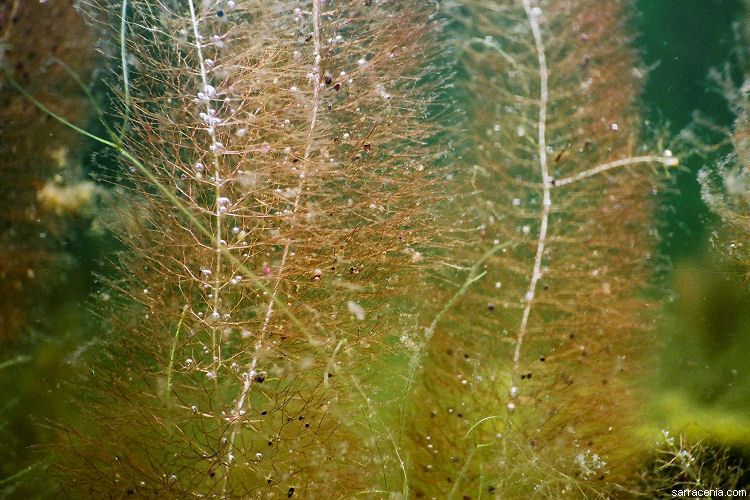
Catch a Carnivore! How to Propagate Utricularia floridana and Bring Home the Bounty
The world of carnivorous plants is full of fascinating and beautiful species, and the Florida Bladderwort (Utricularia floridana) is no exception. This aquatic marvel, native to the southeastern United States, is a true carnivore, using tiny bladders to trap and digest microscopic organisms. But beyond its captivating nature, Utricularia floridana also boasts an intriguing secret: it’s surprisingly easy to propagate!
If you’re looking to expand your collection of carnivorous plants or simply want to share the magic of this unique species, propagation offers a rewarding and cost-effective method. Let’s dive into the world of Utricularia floridana propagation, exploring the different methods and providing practical tips for success.
1. Seed Propagation: The Tiny Seeds of a Carnivorous Future
Starting from seed is a popular method for beginners. Utricularia floridana produces numerous tiny seeds that germinate readily under the right conditions. Here’s how to get started:
- Harvest: Collect ripe seed capsules from mature flowering plants. Gently squeeze them over a clean surface to release the seeds.
- Sowing: Sow seeds directly into a shallow tray filled with a nutrient-poor, airy mix, such as a mixture of peat moss and perlite.
- Environment: Provide warm temperatures (around 70-80°F) and high humidity. Maintain a consistent moisture level, as seeds require damp conditions for germination.
- Patience: Seeds can take several weeks to germinate, so be patient!
2. Vegetative Propagation: The Power of Division
Vegetative propagation involves taking cuttings or dividing existing plants to create new individuals. This method offers the fastest way to increase your Utricularia floridana population.
- Division: Carried out during the growing season, carefully separate the plant’s rhizomes into individual sections, ensuring each section has healthy roots.
- Planting: Repot each division into a suitable container with a well-draining mix, similar to the seed propagation method.
- Care: Maintain consistent moisture levels and ensure the new plants receive proper sunlight.
3. Cultivation Tips for Healthy Propagation
- Water: Utricularia floridana thrives in clean, nutrient-poor water. Avoid using tap water, as it often contains chlorine and minerals that can harm the plant. Instead, use dechlorinated tap water or rainwater.
- Light: Provide bright, indirect sunlight. Direct sunlight can scorch the delicate leaves, so use a shade cloth or position the plant away from strong afternoon sun.
- Feeding: While Utricularia floridana traps its own food, occasional feeding with live microscopic organisms like Daphnia or mosquito larvae can boost its growth.
4. Maintaining Your Utricularia floridana
- Repotting: Repot your Utricularia floridana every one to two years, using a fresh, sterile potting mix. Make sure the pot has drainage holes to prevent waterlogging.
- Dormancy: Many Utricularia species, including floridana, exhibit a period of dormancy during winter months. During this time, reduce watering and allow the soil to dry out slightly.
Propagating Utricularia floridana is an engaging and rewarding experience. Whether you choose to start from seed or divide an existing plant, the process is relatively straightforward, allowing you to enjoy this fascinating carnivore in your home or garden.
So, why not take the plunge and bring home the bounty of Utricularia floridana propagation? With a little care and attention, you’ll be captivated by the beauty and wonder of this unique carnivorous plant.