
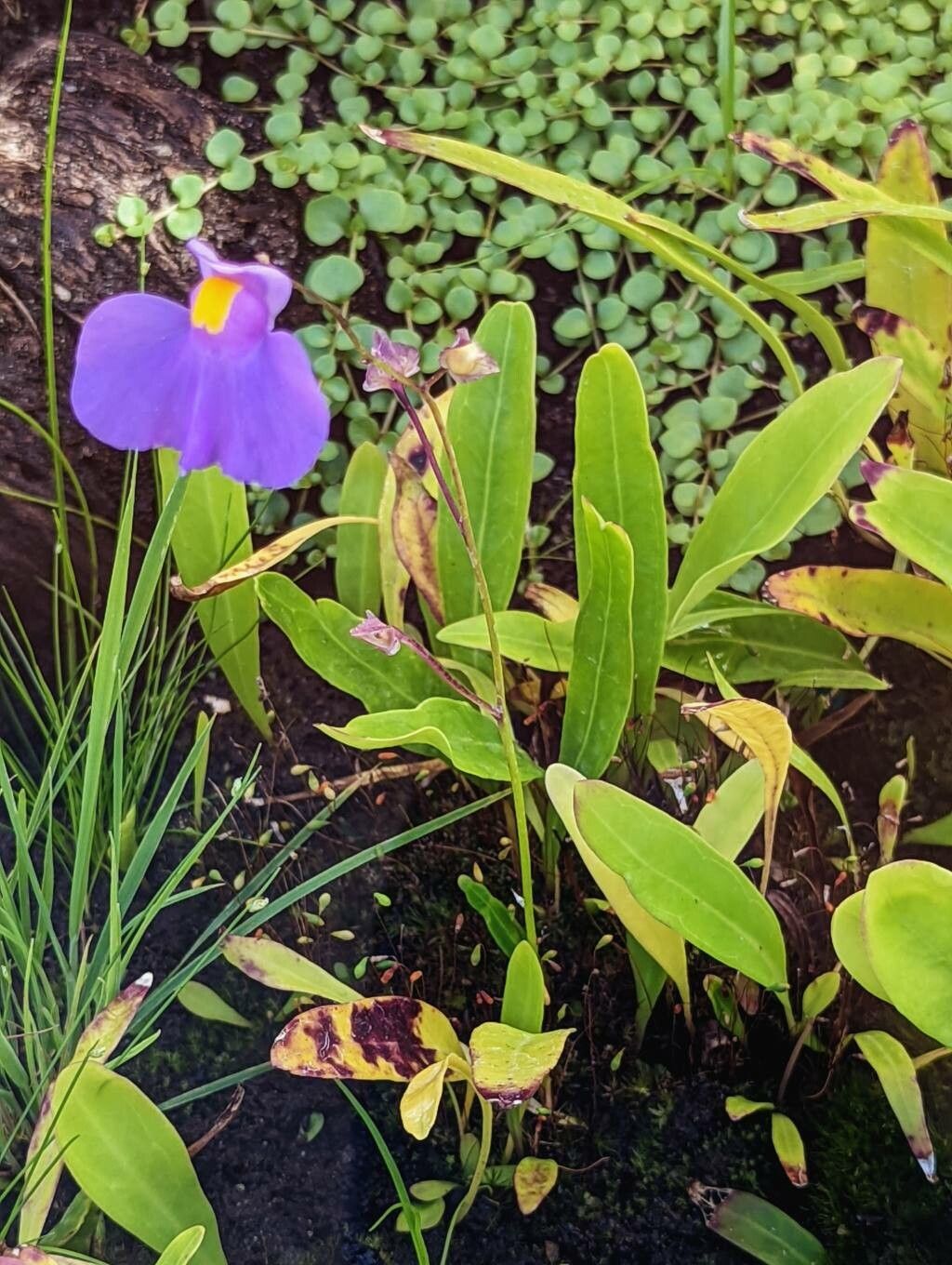
Unleashing the Carnivore: Propagating the Elegant Utricularia longifolia
The world of carnivorous plants is captivating, and the Utricularia longifolia stands out, not just for its appetite for tiny prey, but also for its elegant, arching foliage. This terrestrial bladderwort, native to Brazil, isn’t as commonly found as its aquatic cousins, making its propagation all the more rewarding for plant enthusiasts.
Unlike most plants that rely solely on soil nutrients, Utricularia longifolia supplements its diet by trapping microscopic organisms using ingenious bladder-like traps hidden within the soil. But don’t worry, providing these snacks isn’t a requirement for successful propagation!
Propagating Utricularia longifolia – More Than One Path to Success:
Leaf Pullings: One of the most effective ways to propagate this species is through leaf pullings. Gently tug on a healthy leaf close to the base. You should feel a slight resistance – this indicates you’ve pulled a section with a node, crucial for new growth. Plant these pullings in a moist, well-draining medium like live sphagnum moss or a carnivorous plant mix. Within weeks, you should see new plantlets emerging.
Division: As your Utricularia longifolia matures, it will naturally form clumps. This presents an opportunity for division, ideally done during repotting in spring or early summer. Carefully tease apart the clumps, ensuring each division has a healthy amount of roots and leaves. Plant them individually, and you’ve effectively multiplied your collection.
- Seed (Less Common): While Utricularia longifolia produces seeds, propagating through seeds is less common and more challenging. The seeds are incredibly fine and require specific conditions to germinate, including high humidity and warm temperatures.
Setting the Stage for Propagation Success:
Growing Medium: Utricularia longifolia thrives in a light and airy medium that mimics its natural habitat. Live sphagnum moss is an excellent option as it retains moisture while allowing for crucial air circulation. Alternatively, a well-draining carnivorous plant mix will also suffice.
Watering: Never let your Utricularia longifolia dry out completely. Employ the tray method, where the pot sits in a tray filled with distilled water or rainwater, allowing the plant to absorb moisture from the bottom. Avoid tap water as the minerals can be detrimental.
Light: Bright, indirect light is ideal. A sunny windowsill with some shade cloth or a grow light setup works well. Avoid direct sunlight, which can scorch the delicate leaves.
- Humidity: This tropical beauty appreciates higher humidity levels. Placing a humidity dome over your propagations, grouping plants together, or using a humidifier can help create a favorable microclimate.
Patience is Key:
Remember, propagation takes time. While some methods yield faster results, others require patience and consistent care. Don’t be discouraged if you don’t see immediate progress – keep the environment optimal, and you’ll be rewarded with new Utricularia longifolia plants to expand your captivating carnivorous collection.