
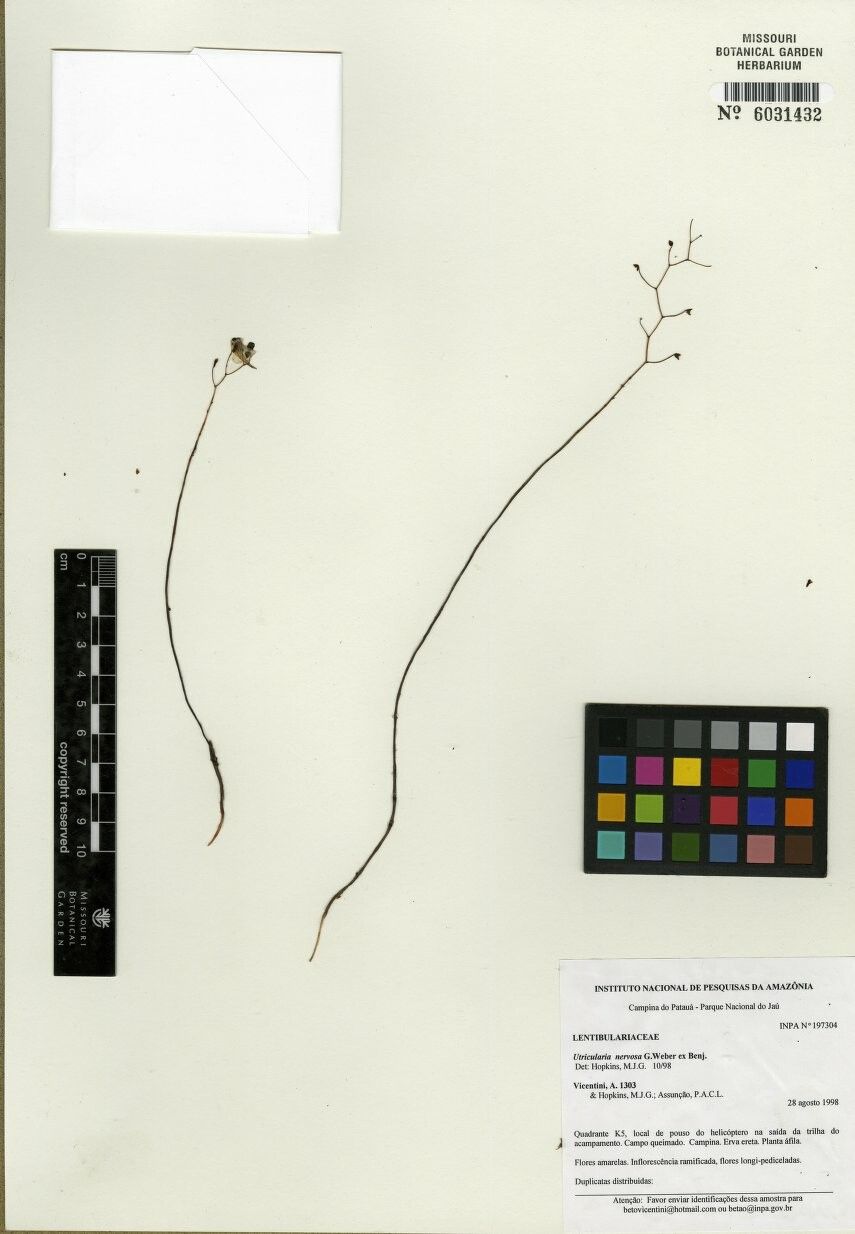
The Thriving Trap: Propagating the Carnivorous Utricularia Nervosa
For plant enthusiasts seeking a unique and fascinating addition to their collection, the carnivorous Utricularia nervosa might just be the perfect choice. This captivating aquatic plant, also known as the “bladderwort,” possesses a fascinating trapping mechanism and offers a truly rewarding propagation experience.
Understanding the Bladderwort’s Secrets
Utricularia nervosa is a fascinating plant that thrives in shallow water or moist environments. Its most captivating feature is its namesake, the bladder trap. These tiny, transparent bladders act like miniature vacuum cleaners, sucking in unsuspecting invertebrates that trigger their sensitive hairs. This carnivorous nature allows the plant to supplement its diet with nutrients from its prey, adding to its unique appeal.
Methods of Propagation: Unleash the Bladderwort’s Potential
Utricularia nervosa can be propagated in several ways, giving you the opportunity to grow a whole colony of these captivating plants:
Seed Propagation: This method requires patience but offers a rewarding experience. Seed pods develop on delicate stalks emerging from the water. Once ripe, they release tiny seeds that can be sown directly into the water or a moist substrate.
Division: As Utricularia nervosa matures, it produces dense mats of foliage and numerous slender stolons. These runners can be carefully separated, each containing potential new plants. Simply divide the stolons, ensuring each section has healthy growth points, and plant them in a suitable location.
- Leaf Cuttings: This method is surprisingly effective for Utricularia nervosa. Select healthy leaves, snip them off just above the base, and place them directly into the water or a moist substrate. The leaves will develop roots and eventually form new plants.
The Perfect Setup for Success
To ensure your success, providing the optimal conditions for Utricularia nervosa propagation is crucial:
Water: The plant thrives in shallow water with high humidity. Use distilled or rain water to avoid mineral buildup.
Light: Bright, indirect sunlight or artificial lighting is ideal. Avoid direct sunlight, as it can overheat and stress your bladderwort.
Substrate: For aquatic propagation, use gravel or sand. For terrestrial propagation, a mix of sphagnum moss and perlite works well.
- Temperature: Utricularia nervosa thrives in warm temperatures, ideally between 65°F and 85°F.
A World of Fascinating Plant Growth
Propagating Utricularia nervosa isn’t just about adding more of these alluring plants to your collection. It’s about delving into the fascinating world of carnivorous plant culture and witnessing the captivating power of nature. From observing the delicate seed pods to witnessing the rapid growth from cuttings, propagation becomes a fulfilling journey of discovery and passion.
So why not give it a try? Unleash the potential of your Utricularia nervosa and watch as it blossoms into a thriving ecosystem of tiny traps and elegant, emerald-green foliage. You’ll be amazed by the captivating journey of this carnivorous plant and its captivating ability to thrive through propagation.