
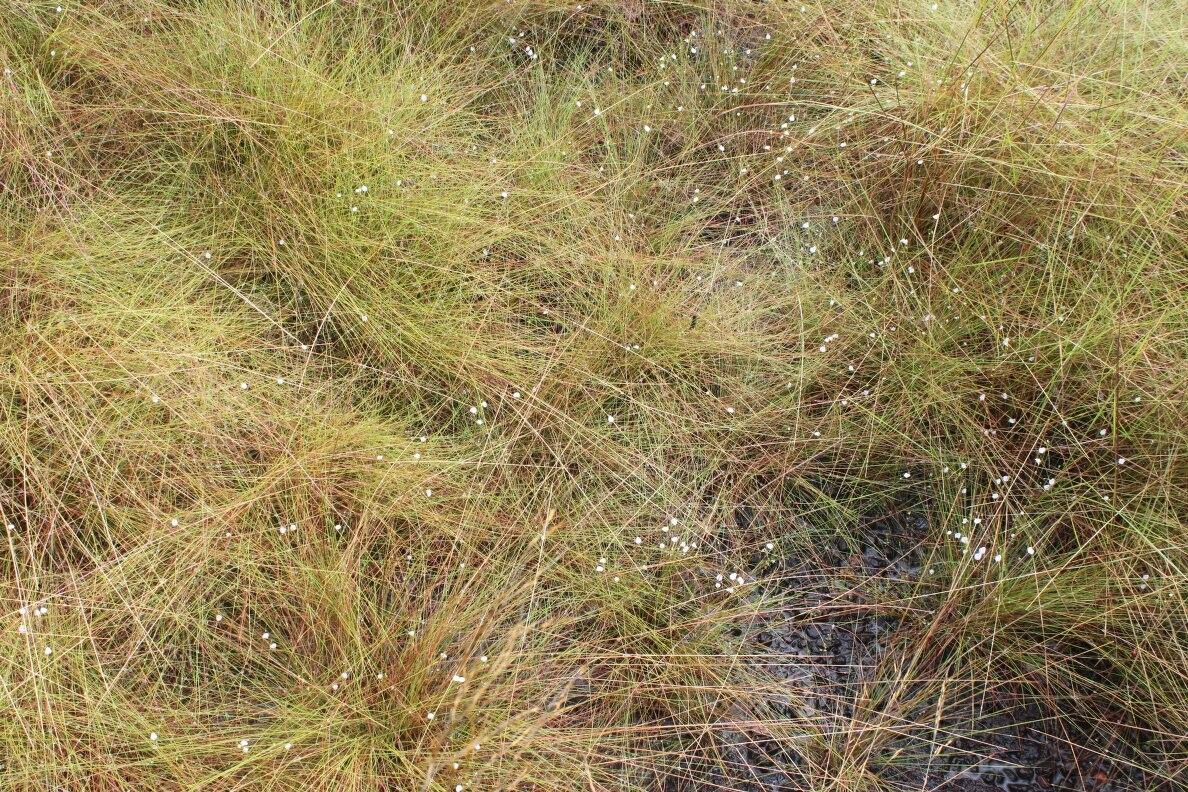
Unlocking the Secrets of Utricularia pubescens: A Guide to Propagation
Utricularia pubescens, the aptly named “hairy bladderwort,” is a captivating carnivorous plant with delicate foliage and a unique trapping mechanism. This intriguing species is a popular choice for seasoned plant enthusiasts and beginners alike, thanks to its stunning appearance and relatively easy care requirements. But what if you want to share the beauty of this plant with others or simply expand your own collection? The good news is, you can easily propagate Utricularia pubescens using various methods.
The Power of Seeds:
For those with patience and a watchful eye, seed propagation is an incredibly rewarding experience. Utricularia pubescens produces tiny, dust-like seeds that readily germinate in moist, well-lit conditions. The secret to success lies in providing a suitable seed bed. Here’s the process:
- Start with a sterile seed tray or pot: Choose a tray or pot with drainage holes, as stagnant water can lead to root rot.
- Fill with a mixture of sphagnum moss and perlite: This mix provides excellent drainage and aeration for the delicate seedlings.
- Dampen the mixture thoroughly: Use a spray bottle to dampen the mixture, ensuring it is uniformly moist.
- Sprinkle the seeds evenly: Don’t bury the seeds; they need light to germinate.
- Mist regularly: Maintain humidity by misting the tray or pot every day.
- Cover with a transparent dome or plastic wrap: This creates a mini-greenhouse effect, trapping moisture and facilitating germination.
- Place in a well-lit area out of direct sunlight: Seeds need bright, indirect light to flourish.
- Germination can take several weeks: Be patient! With proper care, you’ll see tiny, green seedlings emerge.
The Art of Division:
A quicker and more reliable method for propagation involves dividing established plants. This technique leverages the plant’s natural tendency to form multiple growth points:
- Choose a healthy, mature plant: Look for a plant with multiple thriving stems and a well-developed root system.
- Gently remove the plant from its pot: Handle the plant with care. Avoid disrupting the root ball.
- Examine the root system: Identify areas where the root system has naturally divided into multiple sections.
- Carefully separate the plant: Use sharp, sterile scissors or a knife to cut the root ball apart, ensuring each division has healthy roots and shoots.
- Repot the divisions: Plant the divisions individually in pots filled with sphagnum moss or a mix of sphagnum moss and perlite.
The Power of Cuttings:
For those seeking a more controlled approach, stem cuttings offer a reliable and straightforward method. While not as widely used for Utricularia pubescens as division, success is possible with the correct techniques:
- Select healthy stems: Choose stems that have a few nodes, the points where leaves emerge.
- Make a clean cut just below a node: Use sharp, sterile scissors or a knife to make a clean cut.
- Remove lower leaves: Remove any leaves positioned below the waterline.
- Dip the base of the cutting in rooting hormone: This optional step encourages root development.
- Place the cutting in water: Use a clean glass jar filled with water, ensuring that the cut end is immersed.
- Change the water regularly: Replace the water every few days to prevent contamination.
- Provide indirect light: Keep the cutting in a brightly lit area, but avoid direct sunlight.
- Roots will appear in a few weeks: With proper care, you’ll see root development. Transfer the rooted cutting to a pot filled with an appropriate potting mix once roots are established.
Cultivating Success:
Regardless of the chosen propagation method, providing the right conditions is crucial for success. Utricularia pubescens thrives in humid environments with high light levels. Here’s what to keep in mind:
- Light: Bright, indirect light is key to encourage healthy growth and blooms.
- Water: Keep the potting mix consistently moist, using distilled water, but avoid overwatering.
- Humidity: High humidity is beneficial. A humid environment can be provided using a pebble tray or a humidifier.
- Nutrition: Utricularia pubescens is a carnivorous plant and derives nutrients from trapped insects. While a supplementary feed of tiny invertebrates like springtails or fruit flies is helpful, it’s not essential.
With a little patience and the right techniques, propagating Utricularia pubescens can be a gratifying and rewarding experience. Whether you’re sharing your passion with friends or expanding your own collection, propagating this beautiful carnivorous plant ensures that the delicate beauty of Utricularia pubescens continues to thrive for generations to come.