
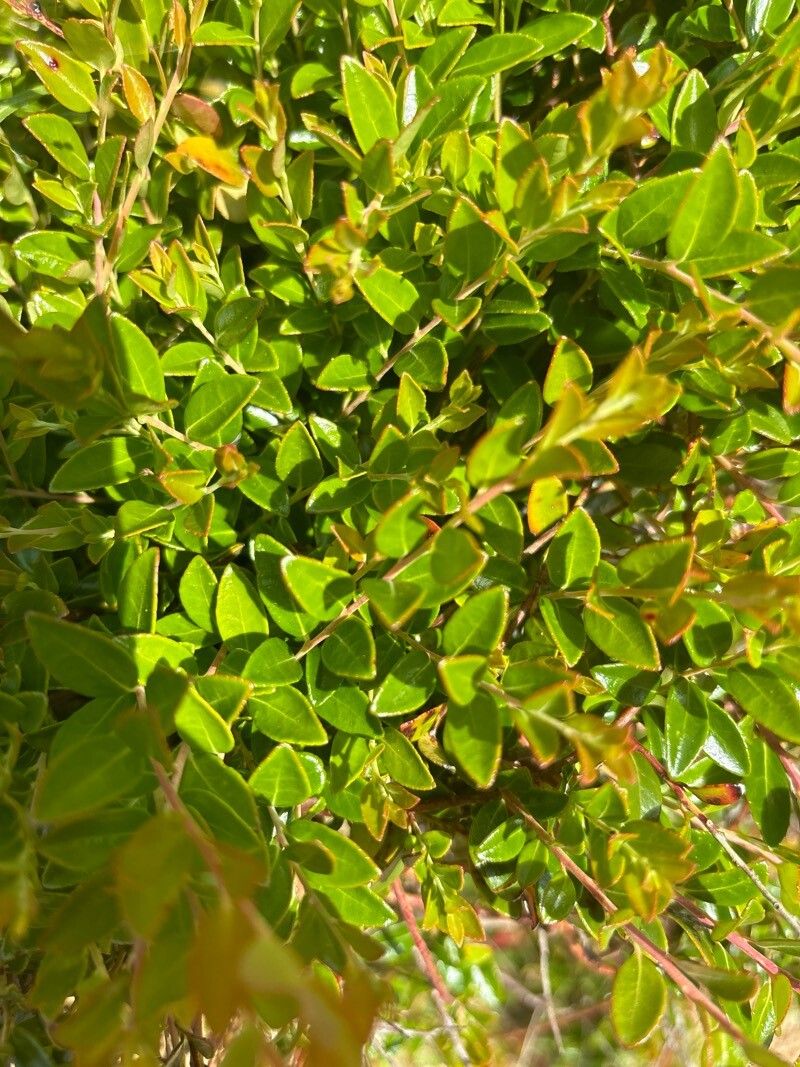
From Tiny Cuttings to Lush Blueberry Bushes: Propagating Vaccinium crassifolium
Ever dreamed of a backyard bursting with fresh, juicy blueberries? Propagating your own Vaccinium crassifolium, also known as the “Farkleberry,” can turn that dream into reality. This native evergreen shrub, with its dark green leaves and clusters of sweet, blue-black berries, is a delightful addition to any garden. But the real joy comes from knowing that you nurtured it from a tiny cutting.
Understanding the Process
Propagation of Vaccinium crassifolium is a rewarding challenge, but it requires patience and a bit of know-how. There are two primary methods:
1. Softwood Cuttings: This method involves taking cuttings from the new, soft, semi-woody growth of the current season.
- Timing is Key: The best time for softwood cuttings is in late spring or early summer when the new growth is pliable but firm.
- Proper Technique: Choose healthy, actively growing stems. Make a clean cut with a sharp knife or shears, ensuring it’s just below a leaf node (where leaves grow). Remove the leaves from the bottom inch or two of the stem, then dip the cut end in rooting hormone to encourage root development.
- Planting and Care: Pot the cuttings in a well-draining potting mix, keeping the soil moist but not soggy. Place them in a bright, indirect light location and cover them with a humidity dome or clear plastic wrap to create a humid environment.
2. Semi-Hardwood Cuttings: This method uses cuttings from the matured new growth, which is firmer than softwood but not fully woody.
- Time of Year: Typically done in late summer or early fall when new growth has hardened off.
- Selection and Preparation: Similar to softwood cuttings, choose healthy stems, make clean cuts below a leaf node, and dip the cut end in rooting hormone.
- Planting and Care: Place the cuttings in a well-draining mix, ensuring the soil is consistently moist. A humidity dome can be used for the first few weeks.
Factors for Success
Several factors contribute to successful propagation:
- Quality Cutting: Selecting healthy, actively growing stems is critical. Avoid stems that are diseased or damaged.
- Proper Soil: Use a well-draining potting mix, ensuring good drainage.
- Humidity Control: A humid environment is crucial for encouraging root development.
- Lighting: Provide bright, indirect light, keeping the cuttings out of direct sunlight.
- Temperature: Maintain a temperature between 70-75°F (21-24°C) for optimal root growth.
Patience is Key
Be patient! Vaccinium crassifolium cuttings can take up to 6-8 weeks to develop roots. Observe closely for signs of growth, and don’t be discouraged if you don’t see immediate results. With consistent care and a bit of patience, you’ll be rewarded with fresh, homegrown blueberries in no time.
Beyond Propagation: Caring for your Farkleberry
Once your cuttings have established strong roots, you can transplant them into larger pots or directly into your garden. Remember to:
- Provide well-drained soil and consistent watering, especially during dry periods.
- Prune regularly to encourage a bushy, compact shape and healthy growth.
- Amend your soil with acidic materials like peat moss or pine bark to provide the ideal pH for optimal growth.
Propagating Vaccinium crassifolium is a rewarding experience, bringing you closer to the joys of gardening and the satisfaction of witnessing new life emerge from a small cutting. With a little effort and a touch of patience, you can enjoy the sweet taste of homegrown blueberries for years to come.