
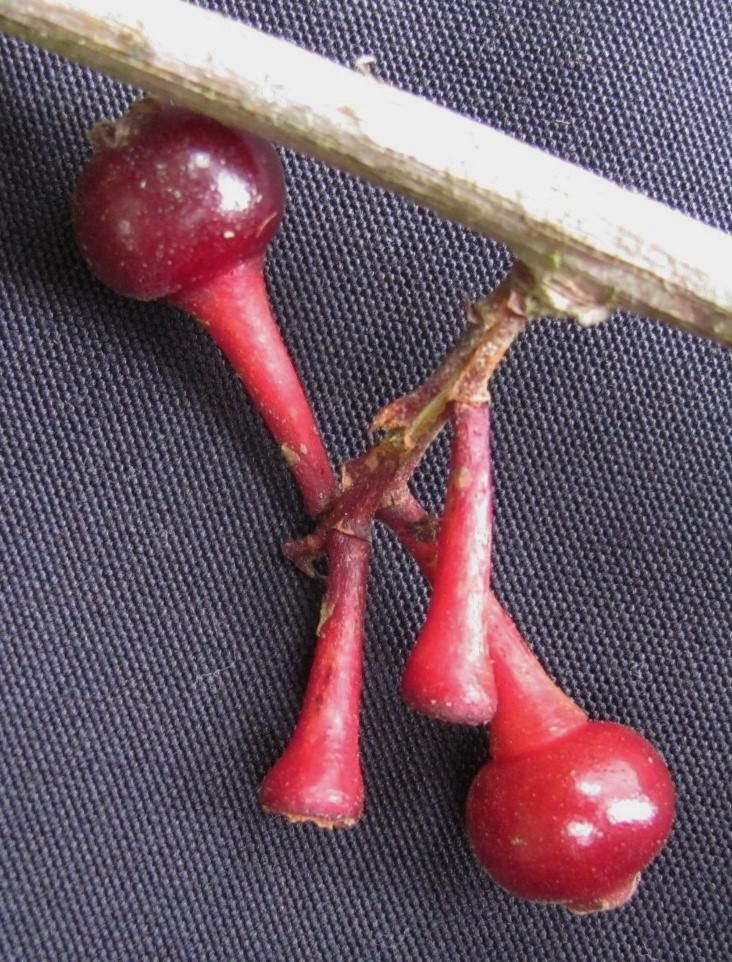
Unlocking the Secrets of the Fuzzy Blueberry: A Guide to Propagating Vaccinium floccosum
The fuzzy blueberry (Vaccinium floccosum), with its charming name and even more delightful fruit, is a treasure of the heath family. Native to the Appalachian Mountains, this unique blueberry variety boasts a delightful fuzz on its stems and berries, setting it apart from its smooth-skinned cousins. If you’re eager to welcome this fascinating plant into your garden and enjoy its sweet, juicy berries, understanding its propagation is key.
While fuzzy blueberries can be grown from seeds, propagation through cuttings offers a more reliable path to success. Let’s explore both methods:
Method 1: Sowing Seeds
- Seed Collection: Harvest ripe berries in late summer and gently crush them to extract the seeds. Rinse the seeds thoroughly to remove any pulp, as this can inhibit germination.
- Cold Stratification: Fuzzy blueberry seeds require a period of cold dormancy to sprout successfully. Mix the cleaned seeds with moist sand or peat moss and store them in a sealed container in your refrigerator for 60-90 days.
- Sowing: In spring, fill seed trays with a well-draining seed starting mix. Sow the stratified seeds, barely covering them with the mix.
- Care and Germination: Keep the soil consistently moist but not waterlogged. Seedling emergence can take several weeks. Once the seedlings develop a few sets of true leaves, transplant them into individual pots.
Method 2: Propagating from Cuttings
This method typically yields faster results and ensures the offspring will retain the parent plant’s desirable characteristics.
- Timing: Take cuttings in late spring or early summer from healthy, new growth. The ideal cuttings are about 4-6 inches long and still somewhat flexible.
- Cutting Preparation: Using clean, sharp shears, make a cut just below a leaf node. Remove the lower leaves, leaving only a few at the top.
- Rooting Hormone (Optional): Dipping the cut end in rooting hormone can encourage faster root development, but it’s not strictly necessary.
- Planting the Cuttings: Plant the prepared cuttings in a mix of peat moss and perlite or a specialized rooting mix. Ensure at least one leaf node is buried in the medium.
- Creating a Humid Environment: Cover the pot with a clear plastic bag or humidity dome to lock in moisture and encourage rooting. Place the pot in a warm, bright location, but out of direct sunlight.
- Rooting and Transplanting: After 6-8 weeks, check for root development by gently tugging on the cutting. If you feel resistance, roots are forming. Once the roots are well-established, transplant the rooted cuttings into individual pots and eventually into your garden.
Key Considerations for Success:
- Soil: Fuzzy blueberries thrive in acidic soil with a pH between 4.5 and 5.5. Amend your soil with acidic amendments like peat moss or pine needles if necessary.
- Sunlight: Plant your fuzzy blueberries in a location that receives at least 6 hours of direct sunlight daily.
- Watering: Keep the soil consistently moist but avoid overwatering, which can lead to root rot.
- Patience: Remember that propagation takes time. Don’t be discouraged if you don’t see immediate results.
Propagating your own fuzzy blueberries can be an incredibly rewarding experience. Not only will you multiply your supply of these delectable berries, but you’ll also be contributing to the preservation of this unique and flavorful native plant. So, roll up your sleeves, get your hands dirty, and enjoy the fruits of your labor!