
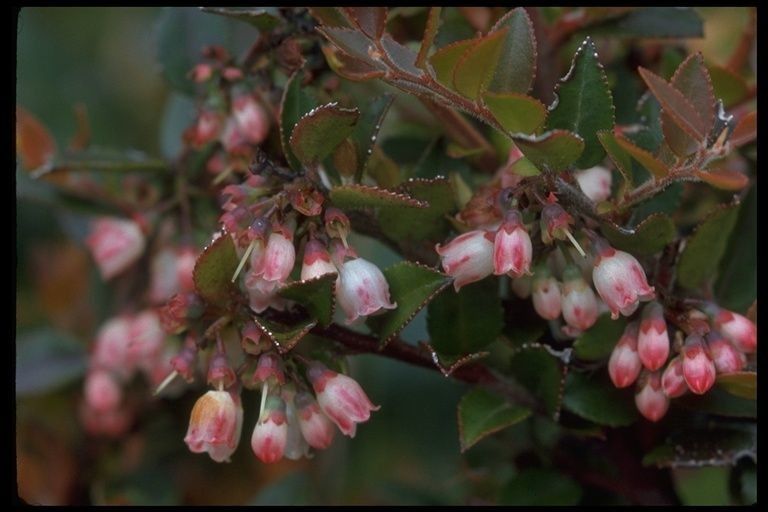
Propagating Vaccinium hirsutum: Challenges and Rewards of Growing Hairy Blueberry
Vaccinium hirsutum, commonly known as hairy blueberry or mountain blueberry, is a captivating shrub prized for its attractive foliage and delicious, albeit small, berries. Its tolerance to harsh conditions makes it a desirable addition to gardens, especially those in upland or mountainous regions. However, propagating this species presents unique challenges, making successful cultivation a rewarding experience for dedicated gardeners. While its propagation doesn’t enjoy the same wide-spread information as some more popular Vaccinium species, research and experimentation are leading to improved success rates.
Seed Germination:
Currently, there are no known reliable methods for seed germination propagation of Vaccinium hirsutum. The tiny seeds possess a hard seed coat and often exhibit low germination rates even under ideal conditions. While some germination might occur naturally in its wild habitat, replicating those conditions artificially is proving difficult. Further research could explore innovative stratification techniques or the use of growth hormones, but currently, this remains an unreliable propagation method.
Cuttings:
Cuttings present a more promising approach than seed germination. However, success rates can be variable.
Challenges: Hardwood cuttings are generally recommended, taken in late fall or early winter from mature, dormant wood. The difficulty lies in achieving proper rooting hormone application and maintaining high humidity and consistent moisture levels during the rooting process. Proper sanitation to prevent fungal disease is crucial.
Practical Tips: Use a rooting hormone with auxins, plant cuttings in a well-draining soilless mix (e.g., perlite and peat moss), and cover cuttings in a propagator or plastic bag to maintain high humidity. Bottom heat can significantly improve success as it mimics the warmer soils that the plants naturally expect. Regular misting might also be necessary.
Rewards: Successfully rooted cuttings allow for the production of multiple plants genetically identical to the parent plant, preserving desirable traits. It’s a relatively quick way to increase the number of plants compared to other methods.
Division:
Division is a viable method, particularly for established plants with sufficient root systems.
Challenges: The success of division depends heavily on the health and size of the plant. Divisions need to be large enough to have adequate root systems for survival. Care must be taken not to damage the roots during the separation process.
Practical Tips: Division is best carried out in early spring or late autumn. Ensure each division has its own established root system and sufficient above-ground growth. Plant divided sections into well-prepared soil amended with organic matter.
Rewards: Faster establishment than cuttings, as the divisions already have an existing root system and some foliage, leading to quicker growth.
Tissue Culture:
Tissue culture offers the potential for large-scale propagation of Vaccinium hirsutum, though it’s a specialized technique requiring laboratory equipment and expertise.
Challenges: Establishing a sterile environment and selecting appropriate growth media are critical. Sterile techniques, knowledge of plant hormones, and expertise in tissue culture processes are necessary to achieve consistent success. This method, while potentially yielding high numbers of plants, is less accessible to the home gardener.
Practical Tips: Specialized labs provide this service. Experienced plant tissue culture laboratories may be able to prepare protocols for Vaccinium hirsutum, though this may require prior research given the lack of commonly available protocols.
Rewards: Enables large scale production of genetically identical plants, disease elimination, and preservation of valuable germplasm.
Conclusion:
Propagating Vaccinium hirsutum presents challenges across all methods. Seed germination remains unreliable, cuttings yield variable results dependent on technique and environmental factors, division is limited by plant size and access to mature plants, and tissue culture necessitates specialized knowledge and equipment. Despite these difficulties, the rewards of cultivating this fascinating plant—whether through the patience of cuttings, the relative simplicity of division in suitable plants, or via the efficiency of tissue culture—are considerable. The unique visual appeal of Vaccinium hirsutum and the satisfaction of nurturing it from a propagation method to a flourishing shrub make the effort worthwhile. Remember proper soil preparation is crucial for all propagation methods – loose, well-draining acidic soil is key to healthy growth. Don’t be discouraged by initial setbacks; persistence and experimentation will ultimately lead you to enjoy the fruits (and foliage!) of your labor.