
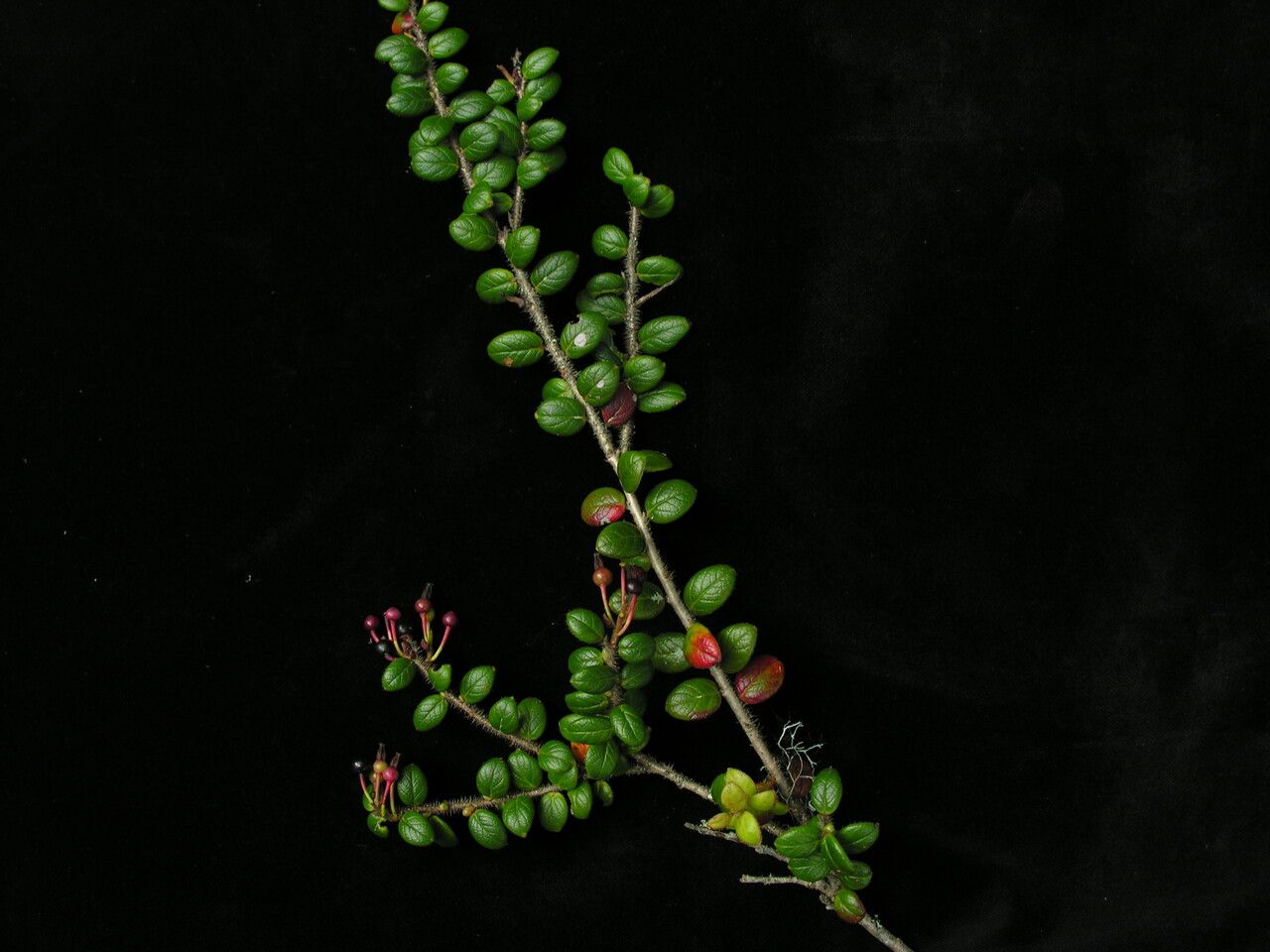
Unlocking the Secrets of Mountain Cranberry Propagation: A Guide to Growing Vaccinium Nummularia
The “Mountain Cranberry,” or Vaccinium nummularia, is a hidden gem among fruiting plants. Native to the high-altitude regions of the Himalayas and western North America, this low-growing evergreen shrub enchants with its dainty pink flowers and tart, juicy berries. Though relatively unknown outside its native range, Vaccinium nummularia offers fascinating opportunities for adventurous gardeners seeking unique and delicious additions to their landscapes.
However, cultivating this mountain treasure can feel like navigating uncharted territory. Propagation, in particular, presents a unique set of challenges due to the plant’s specific needs. This guide delves into the secrets of successfully propagating Vaccinium nummularia, equipping you with the knowledge to grow this remarkable species.
Methods of Propagation:
Seed Propagation: While possible, propagating Vaccinium nummularia from seed can be a lengthy and intricate process. The seeds require a period of cold stratification to mimic natural winter conditions and trigger germination. Here’s how:
- Extract seeds: Gently crush ripe berries and separate the seeds from the pulp.
- Cold Stratification: Mix the seeds with damp vermiculite or sand and store in a sealed bag in the refrigerator (33-41°F) for 60-90 days.
- Sowing: Sow the stratified seeds on the surface of a well-draining seed-starting mix and lightly cover them with vermiculite.
- Environment: Provide bright, indirect light and maintain consistent moisture.
- Patience: Germination can be sporadic and may take several weeks to months.
Cuttings: Propagating Vaccinium nummularia through stem cuttings offers quicker and more reliable results than seeds.
- Timing: Take semi-hardwood cuttings in late spring or early summer from healthy, actively growing stems.
- Preparation: Cut a 4-6 inch section just below a leaf node, remove the lower leaves, and wound the base of the cutting slightly.
- Rooting Hormone: Dip the wounded end in rooting hormone to encourage root development.
- Planting: Plant the cuttings in a well-draining rooting medium like peat moss and perlite.
- Humidity: Cover the cuttings with a plastic bag or humidity dome to maintain moisture.
- Care: Place the cuttings in a warm, shaded location and keep the rooting medium consistently moist.
- Layering: This technique involves bending a low-growing branch to the ground and encouraging it to root.
- Wound the stem: Make a small cut or wound on the underside of the branch where it touches the soil.
- Bury the wounded section: Use a landscape pin or rock to keep the branch in contact with the soil.
- Patience: Rooting can take several months. Once the layered section develops roots, it can be severed from the parent plant.
Essential Tips for Success:
- Acidic Soil: Vaccinium nummularia, like other blueberries, thrives in acidic soil (pH 4.5-5.5). Amend the planting medium or soil with peat moss or elemental sulfur.
- Well-draining Soil: Ensure the soil or rooting medium is well-draining to prevent root rot.
- Sunlight: Provide partial shade to dappled sunlight, particularly in warmer climates.
- Moisture: Maintain consistent moisture but avoid overwatering.
- Patience: Propagating Vaccinium nummularia requires patience. Don’t be discouraged if you don’t see immediate results.
By following these guidelines and embracing the unique requirements of this mountain treasure, you can successfully propagate Vaccinium nummularia and enjoy the rewards of its delicate beauty and delightful fruit in your own garden.