
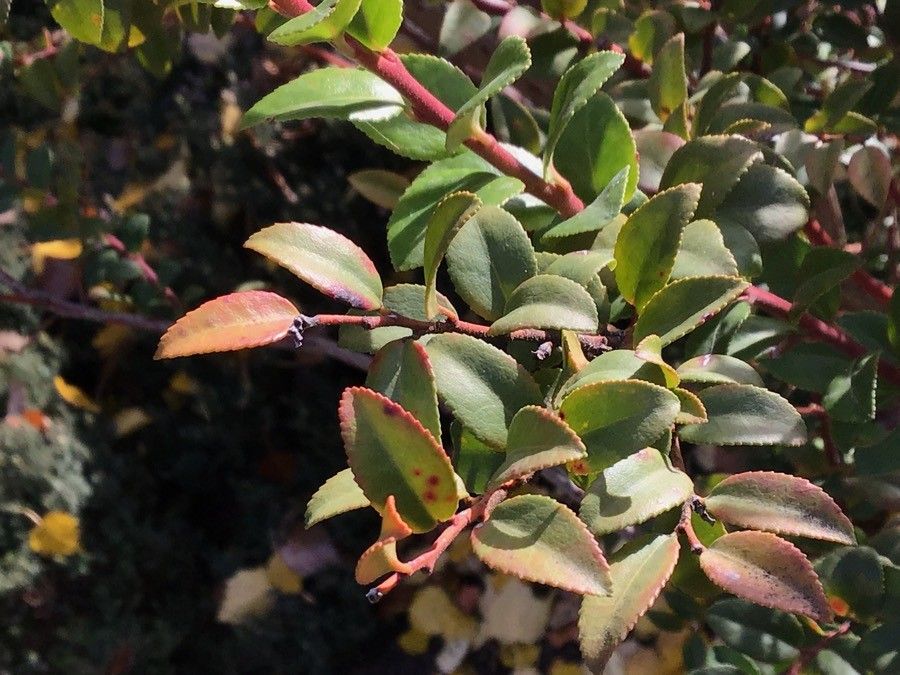
From One Branch to Many: Propagating the Delectable Huckleberry
Ever tasted the sweet, tangy goodness of a fresh huckleberry? If you’re a fan of these little blue gems, you might be dreaming of growing your own. Thankfully, propagating Vaccinium ovatum, the beloved huckleberry, isn’t as intimidating as it might seem. Let’s dive into the rewarding world of huckleberry propagation, so you can enjoy these delicious berries year after year.
Choosing Your Method:
There are two main ways to easily propagate huckleberries:
- Softwood Cuttings: This method involves taking cuttings from new, tender growth, usually in the spring. These cuttings root more readily than hardwood cuttings and are generally preferred for quicker results.
- Layering: This method involves bending a branch of your existing huckleberry bush to the ground and burying a portion of it. The buried stem will eventually root, creating a new plant attached to the mother bush.
Softwood Cuttings: A Step-by-Step Guide:
- Timing is Key: Take your cuttings in early spring, when the new growth is soft and pliable. Select healthy, vigorous stems.
- Cut and Treat: Snip a 4-6 inch section of the stem, ensuring you cut just below a node (where leaves grow). Remove the leaves from the bottom inch or two of the cutting.
- Dip & Plant: Dip the cut end in rooting hormone for a boost. Plant the cutting in a pot filled with a well-draining, peat-based potting mix.
- Mist and Maintain: Keep the mix consistently moist, but not soggy. A plastic dome or humidity tent can help retain moisture and create a suitable rooting environment.
- Patience is a Virtue: New roots should develop within 4-6 weeks. Once you see new growth, you can gradually acclimate the young huckleberry plant to outdoor conditions.
Layering: A Gentle Approach:
- Bend & Bury: Select a flexible branch near ground level. Carefully bend the branch to the ground, and pin it down with a rock or wire loop.
- Cover & Care: Cover the buried portion of the stem with a few inches of soil. Keep the soil consistently moist.
- Patience Pays Off: Roots will form along the buried section. Once the new plant is established, you can sever it from the parent bush.
Important Considerations:
- Light and Soil: Both methods require partial shade and acidic soil (pH 4.5 to 5.5). Adding pine needles or peat moss to your planting mix can help achieve the desired pH.
- Watering: Huckleberries need regular watering, particularly during dry periods.
- Pest and Disease Awareness: Be vigilant against pests like aphids and scale insects. Fungal diseases can also be a concern, so ensure proper drainage.
Enjoy Your Bounty:
Propagating your own huckleberries is a rewarding process. With a little care and attention, you can create a flourishing huckleberry patch in your yard. Imagine the joy (and the delicious desserts!) that await you as you harvest your own sweet, juicy huckleberries! Happy propagating!