
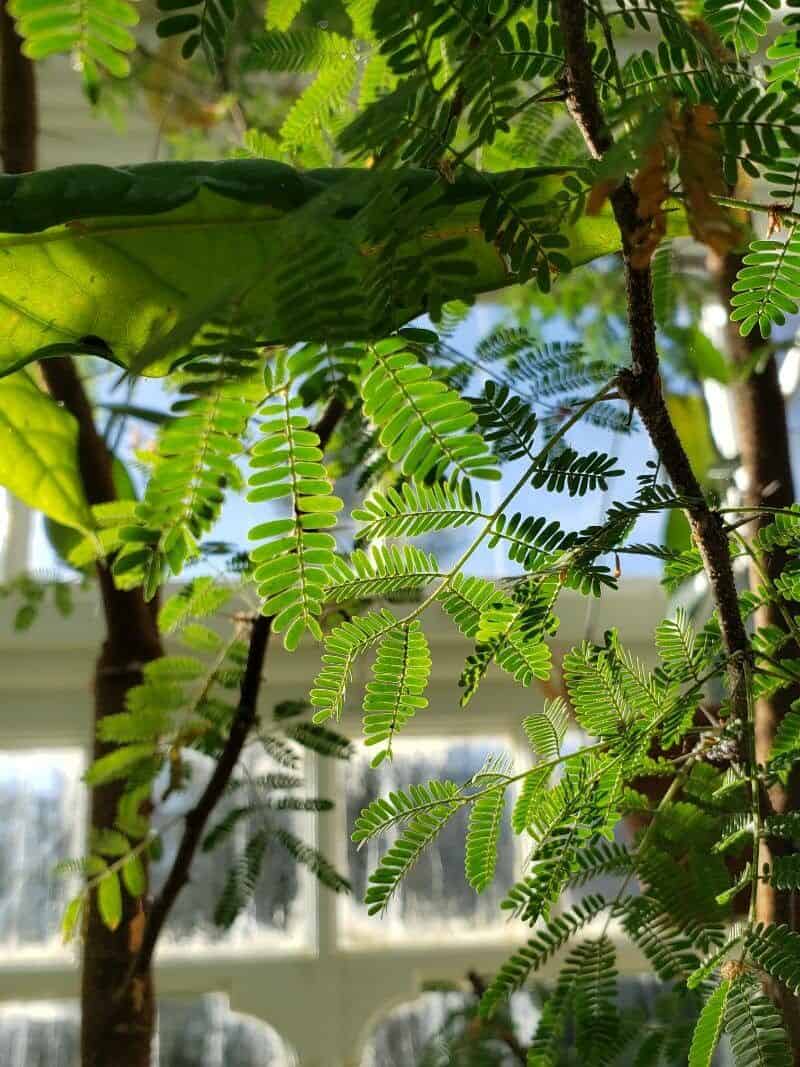
Taming the Thorny: Propagating the Bullhorn Acacia (Vachellia cornigera)
The Bullhorn Acacia, with its imposing thorns and delicate yellow blossoms, is a striking example of nature’s ability to both defend and enchant. Native to Central America, this tree (formerly known as Acacia cornigera) has a fascinating symbiotic relationship with ants, providing them shelter in its hollowed-out thorns in exchange for protection from herbivores.
If you’re captivated by this unusual tree and dream of adding its unique beauty to your own garden (in suitable climates, of course!), you’ll be pleased to know that propagating the Bullhorn Acacia is achievable, although it requires a bit of patience and understanding.
Two Paths to Propagation:
There are two primary methods for propagating Vachellia cornigera:
- Seeds: This is the most common and potentially rewarding method, offering the satisfaction of raising a tree from scratch.
- Cuttings: A faster approach, but with a lower success rate, making it more suitable for experienced gardeners.
The Seed Route (Recommended):
- Sourcing Seeds: Look for reputable online vendors specializing in exotic seeds or visit local nurseries specializing in arid-climate plants.
- Scarification Secrets: Bullhorn Acacia seeds have a hard outer coating that requires scarification to enhance germination. Gently nick the seed coat with a nail file or briefly soak seeds in hot (not boiling) water. Be careful not to damage the embryo inside.
- Sowing the Seeds: Use a well-draining seed-starting mix and sow seeds about 1/2 inch deep. Water thoroughly and consistently until germination, which can take anywhere from a few weeks to a couple of months.
- Patience, Young Padawan: Maintain a warm, bright location (but out of direct sunlight) for your seedlings. Once they have a few sets of true leaves, they can be transplanted into individual pots.
The Cutting Challenge:
- Timing is Key: Take semi-hardwood cuttings (slightly hardened but still flexible) from healthy, actively growing branches in late spring or early summer.
- Cut with Precision: Make a clean cut below a leaf node using a sharp, sterilized knife or pruning shears. Remove the lower leaves, leaving only a few at the top.
- Hormonal Help: Dip the cut end in rooting hormone powder to encourage root development.
- Planting the Cuttings: Plant in a well-draining potting mix and keep consistently moist. You can create a mini-greenhouse by covering the pot with a plastic bag to retain humidity.
- Crossing Fingers: Be patient, rooting can take several weeks. Once new growth appears, it’s a good sign that your cutting has successfully rooted.
Caring for Your Bullhorn Sapling:
- Sunny Disposition: Vachellia cornigera thrives in full sun conditions.
- Drought Tolerant, Not Drought Proof: Water regularly, especially during their establishment phase, but allow the soil to dry out slightly between waterings.
- Well-Drained Soil is Crucial: Avoid soggy soil, which can lead to root rot.
- Minimal Fertilization: In general, these trees are light feeders. A balanced fertilizer can be applied sparingly during the growing season.
Propagating the Bullhorn Acacia is a rewarding endeavor for patient gardeners. By following these tips and understanding the plant’s unique needs, you can increase your chances of success and enjoy the exotic allure of this fascinating tree in your own backyard.