
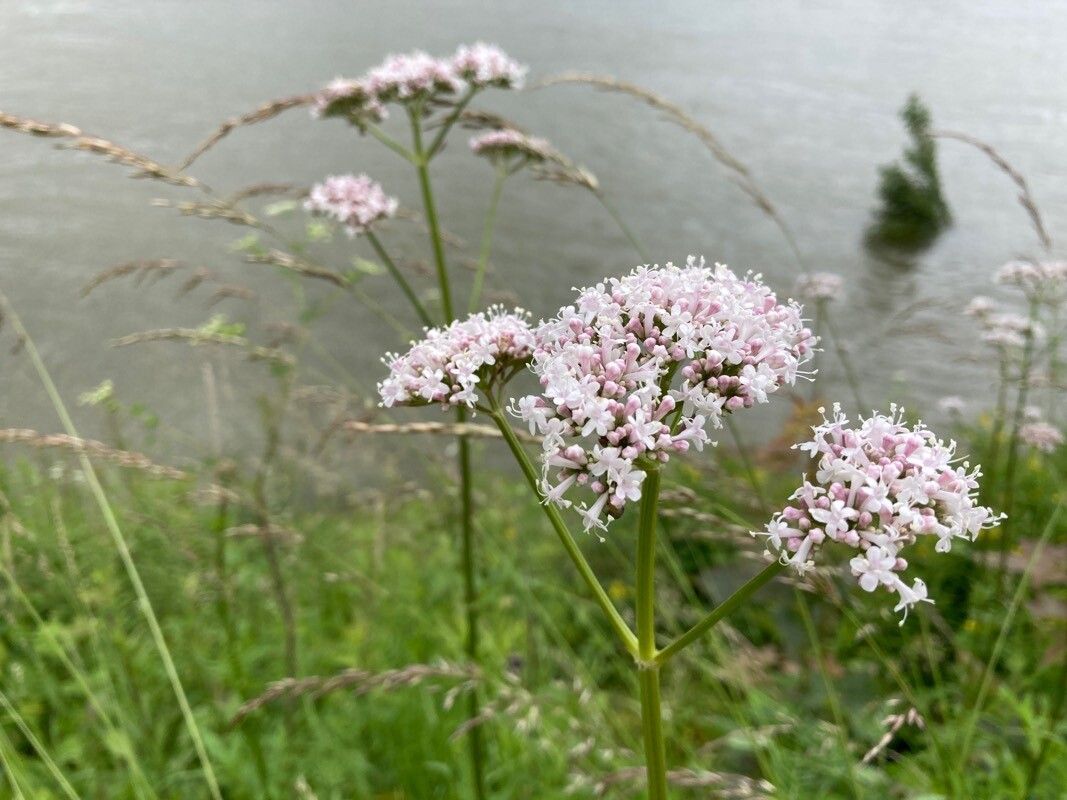
Unleash the Magic of Valeriana excelsa: A Guide to Propagation
Valeriana excelsa, also known as giant valerian or tall valerian, is a stunningly beautiful and fragrant perennial native to Europe. Its large, white flower clusters attract pollinators and grace gardens with their delicate beauty. But beyond aesthetics, Valeriana excelsa holds a secret – you can easily propagate this magnificent plant yourself, ensuring more vibrant blooms and a touch of natural wonder in your own backyard.
Seeds of Hope
Starting from seed is a rewarding and achievable way to grow valerian. Here’s how:
- Timing is Key: Sow your valerian seeds in late winter or early spring. Direct sowing is the preferred method, allowing the seedlings to establish naturally.
- Preparation is Paramount: Choose a sunny spot with well-drained soil. Lightly till the area and sprinkle the seeds directly on the surface. Don’t bury them deeply, as they need light to sprout.
- Patience is Virtuous: With gentle watering and a touch of patience, your valerian seeds will germinate within 2-4 weeks. However, remember, it may take several months for them to flower.
Dividing for Abundant Growth
Valeriana excelsa lends itself well to division, a simple method for creating new plants from mature clumps. Here’s your step-by-step guide:
- Timing Matters: The best time for dividing valerian excelsa is in early spring or autumn.
- Preparation is Key: Use a sharp spade or garden trowel to carefully dig around the plant’s base, ensuring you get a good portion of roots.
- Divide and Conquer: Carefully separate the clump into smaller divisions, each containing healthy shoots and a good root system.
- Replant with Care: Replant the divisions in new locations, ensuring they have adequate space to grow. Water generously to help them settle in.
Cuttings for Clonal Success
Stem cuttings are another effective way to propagate Valeriana excelsa. This method ensures that new plants are genetically identical to the parent plant.
- Timing is Crucial: The best time for taking cuttings is in early summer, when the plant is actively growing.
- Selection is Key: Choose healthy, non-flowering stems with new growth. Cut them just below a node (the point where a leaf grows).
- Preparation is Essential: Remove the lower leaves and dip the cut end in rooting hormone powder to encourage root development.
- Planting with Purpose: Pot the cuttings in a well-draining, sterile potting mix. Keep them moist and in a bright, indirect location.
- Patience is Rewarded: Within a few weeks, roots should start to form. Once new growth is evident, you can transplant your new valerian plants into their permanent garden locations.
Valeriana excelsa: More than just a beautiful bloom
Beyond its stunning visual appeal, Valeriana excelsa boasts several benefits:
- Fragrant Allure: The plant’s fragrant flowers attract pollinators, including butterflies and bees, making it a valuable addition to any garden.
- Medicinal Marvel: Valerian root has long been used in herbal remedies for its calming and sleep-promoting properties.
- Eco-Friendly Benefits: Valeriana excelsa is a natural pest repellent, making it an excellent choice for organic gardens.
From Seeds to Success
Propagating valerian excelsa is a rewarding journey that offers the satisfaction of creating new life and adding beauty to your garden. Whether you choose seeds, division, or cuttings, remember to follow these simple guidelines for a successful propagation experience. Enjoy the process, witness the transformation, and revel in the joy of growing your own Valeriana excelsa.