
Propagating Valeriana italica: A Gardener’s Guide to the Italian Valerian
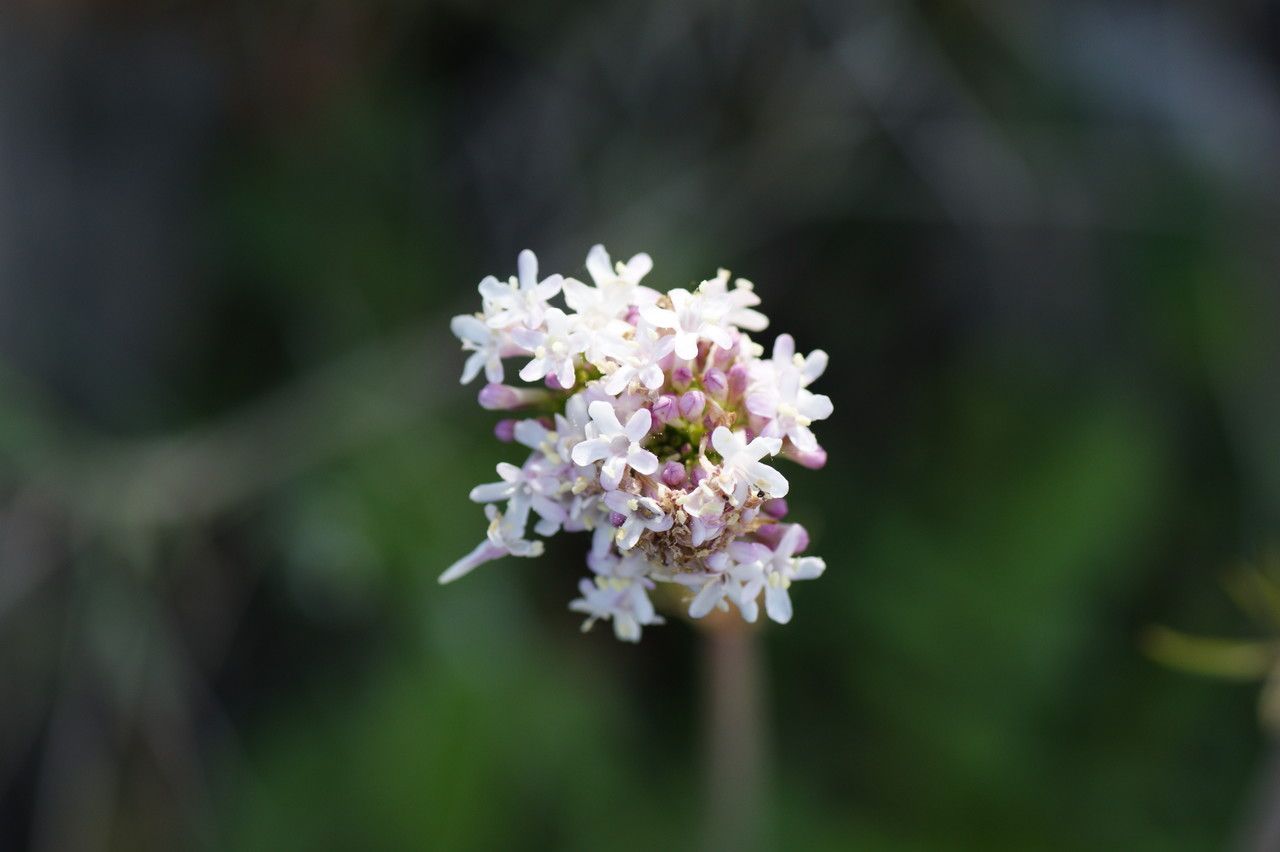
Valeriana italica, commonly known as Italian Valerian, is a captivating herbaceous perennial prized for its delicate, sweetly scented flowers and attractive foliage. Its feathery, pinnate leaves and clusters of small, usually pink or white, blooms make it a desirable addition to cottage gardens, wildflower meadows, and even containers. While relatively easy to grow from established plants, propagating Valeriana italica can present unique challenges, depending on the chosen method. This article explores different propagation techniques, outlining their viability and offering practical guidance to gardeners.
Seed Germination:
Currently, there are no known reliable methods for seed germination propagation of Valeriana italica. While seeds might be produced, germination rates are notoriously low and unpredictable under standard horticultural practices. Further research into specific germination requirements, such as light exposure, temperature, and pre-treatment methods, is needed. Successful germination, if achieved, would offer the reward of high genetic diversity across a large number of plants.
Cuttings:
Propagating Valeriana italica from cuttings offers a more reliable method than seed germination. However, success depends on timing and technique.
Challenges: The optimal time for taking cuttings is during the spring or early summer, selecting healthy, non-flowering stems. Hardwood cuttings are generally not successful.
Tips: Take semi-hardwood cuttings, about 4-6 inches long, ensuring at least two leaf nodes per cutting. Remove lower leaves to prevent rotting. Dip the cut ends in rooting hormone to stimulate root development. Plant cuttings in a well-draining, moist propagation mix and cover with a plastic bag or cloche to maintain humidity. Regular misting helps maintain moisture. Root formation usually takes several weeks.
Rewards: Cuttings produce genetically identical plants, replicating desirable traits of the mother plant. This method is ideal for preserving specific cultivars or rare varieties.
Division:
Division is a simple and effective method for propagating established Valeriana italica plants.
Challenges: This method is only viable for mature plants with well-developed root systems. Division is best performed in early spring or autumn, when the plant is entering or leaving its active growing period. Rough handling can damage the roots, hindering the plants’ ability to re-establish.
Tips: Gently lift the plant from the ground, carefully separating the root ball into several smaller divisions, each with its own set of roots and shoots. Replant divisions immediately, ensuring adequate spacing, and water thoroughly.
Rewards: Division is a quick and relatively easy method providing instant gratification. It also helps to rejuvenate old plants.
Tissue Culture:
Tissue culture propagation of Valeriana italica is a possibility, though not widely practiced by home gardeners due to its technical complexity and requirement for specialized equipment and expertise.
Challenges: Establishing a sterile environment and mastering the techniques of plant tissue culture requires significant training and resources. Success hinges on choosing the appropriate growth media and hormones. The process is more laborious and costly compared to other methods.
Tips: This method is best left to specialized laboratories or nurseries with the necessary expertise and infrastructure.
Rewards: Tissue culture allows for the rapid clonal propagation of a large number of plants from a very small amount of starting material. It allows for disease-free plants to be produced.
Conclusion:
Propagating Valeriana italica, while rewarding, can be challenging. While seed germination currently yields unreliable results, cuttings and division offer viable and accessible options for home gardeners. Tissue culture presents a powerful alternative for large-scale propagation but requires specialized knowledge and resources. The unique fragrance and delicate beauty of Valeriana italica make the effort worthwhile. Regardless of the chosen method, patience, attention to detail and a little experimentation will greatly increase your chances of success. Embrace the challenges – the satisfaction of nurturing a new plant from a cutting or division is an unparalleled experience that strengthens the connection between gardener and plant.