
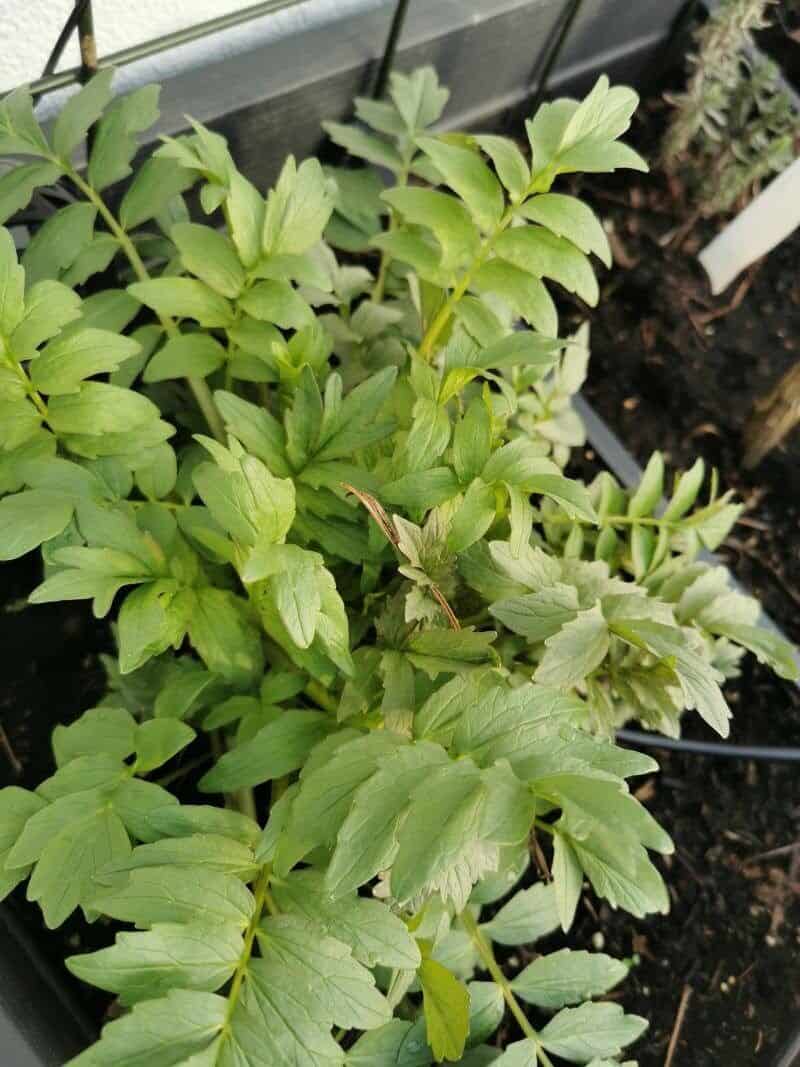
Waking the Sleep Herb: How to Propagate Valerian (and Enjoy Sweet Dreams)
Known for its calming effects and ability to soothe even the most restless souls, Valerian (Valeriana officinalis) is a garden gem worth nurturing. But did you know this sleep-enhancing herb is surprisingly easy to propagate? Whether you’re looking to expand your herb patch or share the gift of tranquility, propagating valerian is a rewarding endeavor for gardeners of all levels.
Three Paths to Valerian Propagation:
Valerian offers several methods for propagation, each with its own advantages:
1. Seeds: Starting From Scratch
- Best Time: Spring, after the last frost
- Process: Sow seeds directly into your garden bed or start indoors 6-8 weeks before the last frost. Sprinkle seeds on the soil surface and lightly press them in, ensuring they receive plenty of light.
- Tips: Valerian seeds require light to germinate. Keep the soil consistently moist but not waterlogged.
- Pros: Seeds offer a cost-effective way to grow a large number of plants.
- Cons: Germination can be slow and somewhat unreliable.
2. Division: Multiplying Your Bounty
- Best Time: Spring or Fall
- Process: Carefully dig up an established valerian plant, ensuring you get most of the root system. Gently tease apart the roots and separate the plant into smaller clumps, each with healthy roots and shoots. Replant the divisions at the same depth they were originally growing.
- Tips: Divide plants every 2-3 years to maintain their vigor and prevent overcrowding.
- Pros: Division offers a nearly foolproof method for expanding your valerian patch with mature plants.
- Cons: Requires an existing valerian plant.
3. Cuttings: Cloning Your Favorites
- Best Time: Late spring to early summer
- Process: Take 4-6 inch cuttings from healthy, non-flowering stems. Remove the lower leaves and dip the cut end in rooting hormone (optional). Plant the cuttings in a well-draining potting mix and keep them consistently moist.
- Tips: Provide warmth and humidity by covering the cuttings with a plastic bag or propagator lid.
- Pros: Allows you to create exact replicas of prized valerian varieties.
- Cons: May require a bit more attention and care than other methods.
Nurturing Your New Valerian Plants:
- Soil: Valerian prefers well-drained soil with a slightly acidic to neutral pH.
- Sunlight: Choose a location with full sun to partial shade.
- Water: Keep the soil consistently moist, especially during the first growing season. Avoid overwatering, which can lead to root rot.
- Fertilizer: Valerian is a light feeder. Amend the soil with compost before planting and side-dress with a balanced fertilizer once a year.
Reaping the Rewards:
With proper care, your newly propagated valerian plants will thrive and provide you with fragrant blooms and a bountiful supply of calming roots. Harvest the roots in the fall, after the second year of growth, for use in teas, tinctures, and other sleep-promoting preparations.
So why wait? Embrace the power of propagation and welcome the tranquility of valerian into your garden and your life.